
Can’t Be Blue: The Spotify Radar Korea Pop Band Redefining K-Pop, Aiming for Global Reach Through Streaming & Strategic Collaborations
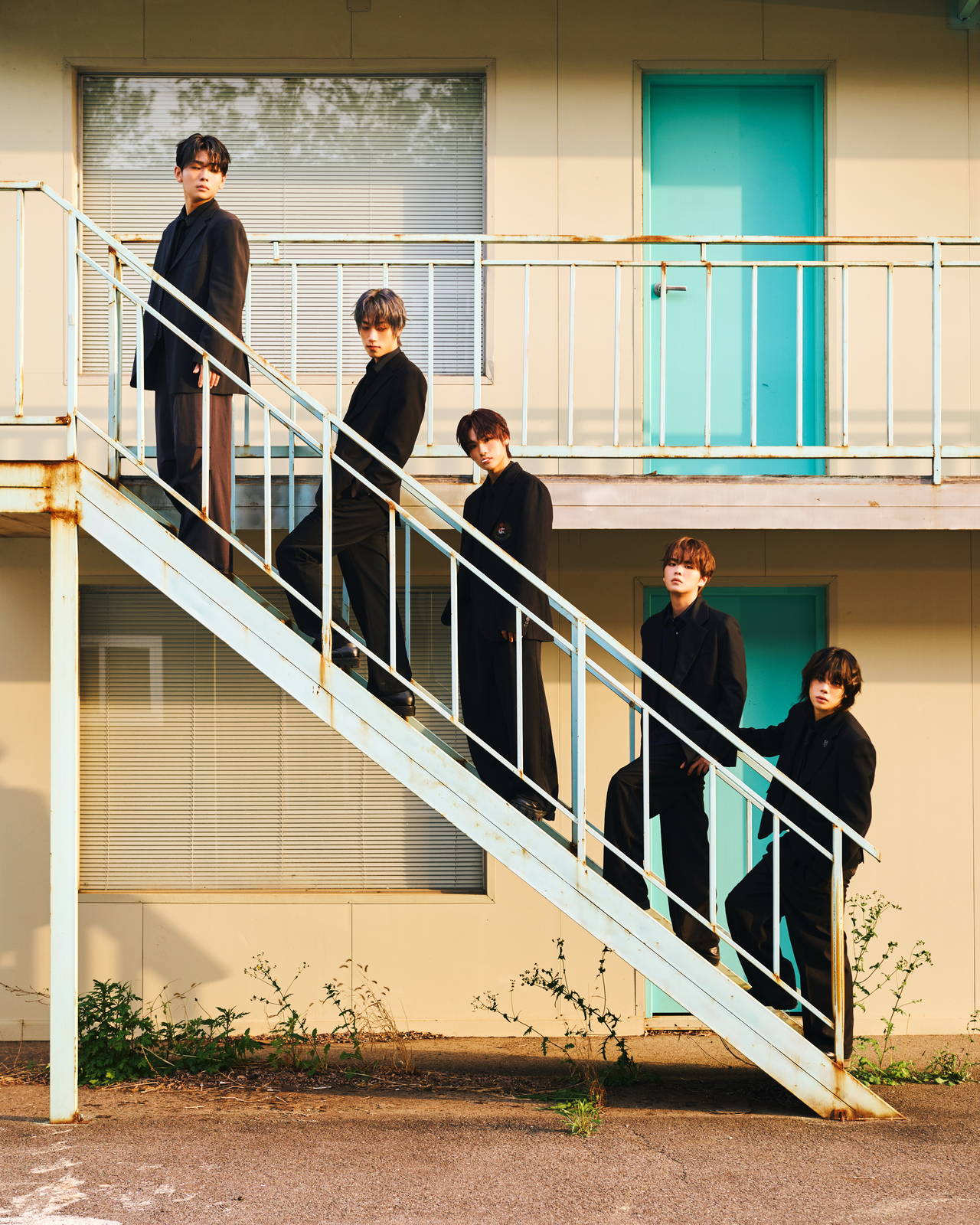
When discussing the most exciting emerging bands in the South Korean music scene, many fans and critics immediately highlight Can’t Be Blue, an innovative act often mistakenly categorized as indie.
However, this dynamic five-member group distinctly differentiates itself, choosing not to align with the traditional indie band label.
“We genuinely don’t perceive ourselves as an indie act,” stated lead singer Lee Do-hun in an exclusive interview with The Korea Herald. “From our distinctive sound to our creative processes, our philosophy has consistently been rooted in the mindset of a modern pop band.”
This pop-centric philosophy has significantly propelled Can’t Be Blue’s rapid ascent in the global music landscape. Debuting in June 2024, the band swiftly garnered immense traction, now boasting over 900,000 monthly listeners on Spotify. Their success was further cemented by their selection for Spotify’s prestigious Radar Korea 2026 program, an initiative designed to spotlight promising emerging artists. This esteemed program has previously featured international sensations like The Kid Laroi and Tyla, alongside renowned Korean acts such as Le Sserafim and Hanroro, underscoring Can’t Be Blue’s potential as a global K-pop force.
Can’t Be Blue’s pivotal breakthrough moment arrived with their debut track, “Within the Words Once Called Love.” This powerful song has already exceeded 4 million streams on Spotify, marking a significant milestone. Interestingly, the acclaimed track was conceived and written even before the band officially formed.
Guitarist Kim Chae-hyun recounted the band’s origin: “Initially, Do-hun and I connected during our school days, sparking the idea to write music together. After presenting our creation to the other members, Do-hun proposed forming a band. Subsequently, we all committed to the project, taking leave from our studies to establish the group officially.”
Lead singer Lee Do-hun expressed profound confidence in the song’s potential right from its inception.
“I had an immediate conviction, thinking, ‘This track is destined for success,'” he revealed. “I envisioned audiences passionately singing along at future concerts. Despite early challenges in securing club performances, the song ignited a sense of excitement, overshadowing any fear, because I was genuinely eager for people to experience it.”
Lee attributes a significant portion of Can’t Be Blue’s rising success to their unique ability to seamlessly blend global accessibility with deeply rooted Korean musical sensibilities.
With an ambitious vision extending beyond Korea, the group is actively exploring the incorporation of more English lyrics and innovative strategies to enhance their music’s resonance with a diverse international audience. Nevertheless, Lee firmly advocates for preserving the distinctive emotional depth inherent to Korean artists, a quality he believes is invaluable.
“Korean singers and bands possess a distinct ‘ppong’ — a Korean expression signifying emotionally rich and captivating melodies,” Lee explained. “This isn’t a negative attribute; rather, it represents a highly catchy, yet uniquely Korean melodic essence.”
He drew a compelling parallel between this musical ‘ppong’ and the profound emotional storytelling characteristic of popular Korean TV series.
“This profound emotional narrative extends seamlessly into Korean music,” Lee asserted, adding, “I firmly believe this unique emotionality is a cornerstone strength of Korean musical artistry.”
Can’t Be Blue’s rapidly expanding profile received a significant boost in May with the release of “Can’t Love,” a highly anticipated collaboration featuring K-pop sensation Han from Stray Kids. This impactful track has swiftly garnered over 3.6 million streams on Spotify, establishing itself as the group’s second-most-streamed song and highlighting the power of K-pop collaborations.
According to Lee, the seeds for this major collaboration were sown when Han consistently expressed admiration for Can’t Be Blue’s music and performed covers of their songs.
“We were fortunate to connect with him, and I took the opportunity to ask if he would consider lending his vocals to one of our tracks,” Lee recounted. “His immediate and enthusiastic ‘yes’, coupled with his willingness to accommodate all requests, made the collaboration seamless.”
Han’s exceptional work ethic and dedication left a profound impression on the entire band, underscoring his professionalism.
“He informed us he would contribute a melody, which filled us with both excitement and anticipation,” Lee shared. “Remarkably, he delivered three distinct versions. The challenge wasn’t in finding a good one, but in the fact that all were exceptionally high-quality, leading us to ingeniously combine elements from each to create the final piece.”
This successful partnership significantly reinforced Lee’s conviction regarding the increasingly fluid boundaries between K-pop and diverse musical genres, paving new avenues for artistic expression.
“Contemporary K-pop artists consistently demonstrate incredibly high musical standards,” he affirmed. “We’re witnessing a surge in collaborations, not exclusively with indie bands, but also extending to prominent R&B artists and rappers. Engaging in K-pop collaborations opens up expansive opportunities for exploring a rich array of diverse sounds and creative synergies.”
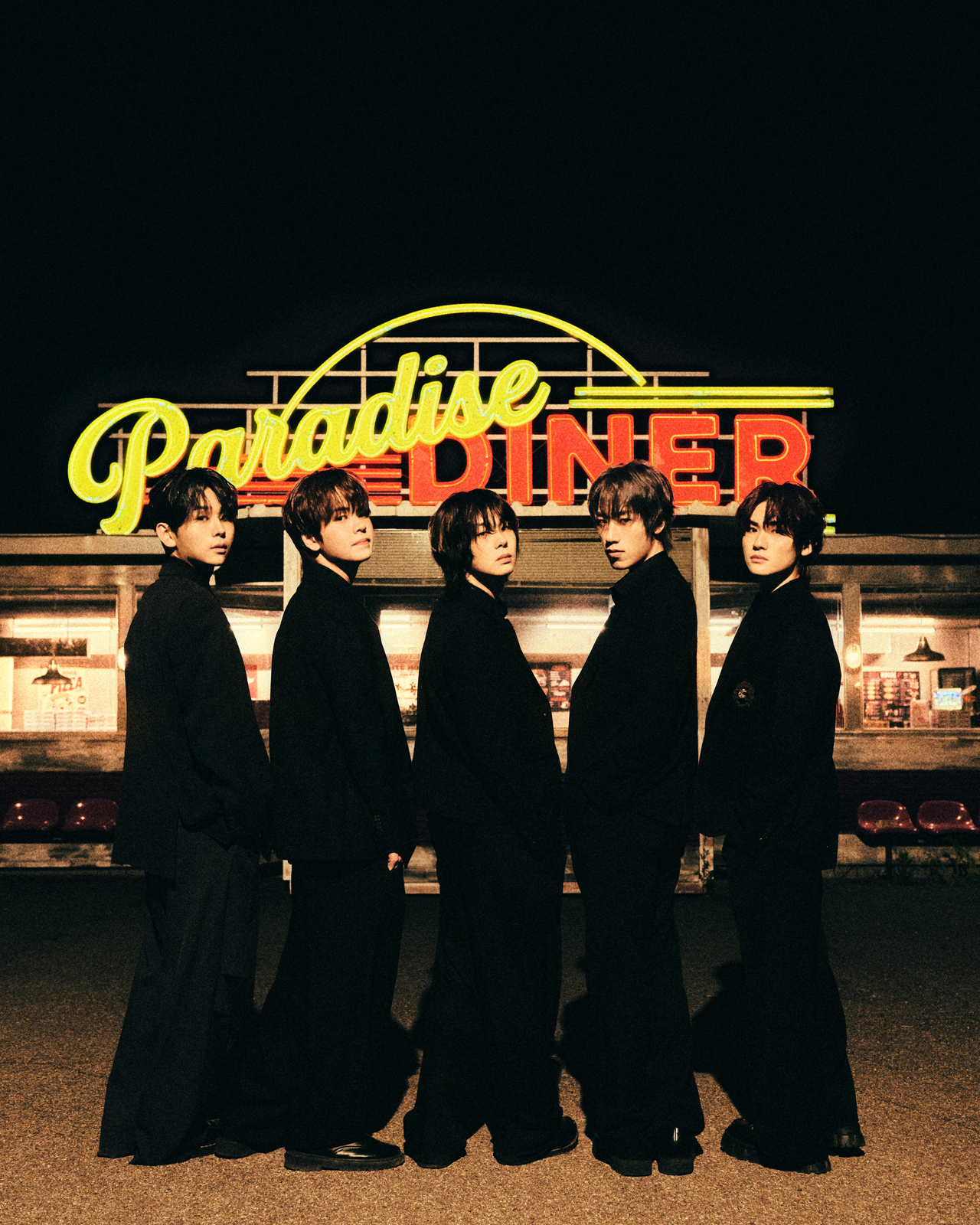
When queried about his ideal future collaboration, Lee Do-hun responded without hesitation, highlighting the band’s forward-looking aspirations within the K-pop industry.
“Our band members hold a strong admiration for Illit,” he revealed. “We are genuinely intrigued and excited by the prospect of creating unique music together, envisioning a fresh blend of our styles.”
Can’t Be Blue’s definitive statement of their artistic direction culminated on June 20 with the release of their highly anticipated, self-titled first full-length album, marking a significant milestone in their discography.
Lee elaborated that this extensive 11-track album unequivocally showcases the group’s desired musical identity: a sophisticated fusion of K-pop, J-pop, and hip-hop elements, reimagined through a distinct band perspective.
“Our goal was to fully encapsulate the extensive K-pop and J-pop influences that have shaped our artistic vision,” he explained. “We made a concerted effort to incorporate innovative sounds and textures not typically found in conventional band arrangements.”
Departing from conventional live-band production techniques, Can’t Be Blue boldly experimented with crisper, more modern, and distinctly pop-oriented textures, reflecting their genre-bending approach.
“We meticulously crafted the album to resonate more as contemporary pop music rather than a traditional band recording,” Lee stated. “We intricately blended J-pop and mainstream pop elements, striving for melodies that possess both pop appeal and subtle hip-hop influences, creating a truly unique sound.”
jaaykim