
South Korean investors have shown significant initial interest in the government’s Reshoring Investment Account (RIA) program, designed to incentivize the repatriation of overseas investments. Nearly 60,000 accounts were opened within the first week of the program’s launch. However, the actual return of capital has been slower than anticipated, as investors grapple with ongoing market volatility and currency fluctuations.
According to local reports released Thursday, the country’s top 10 securities brokerages, based on equity capital, reported approximately 57,000 new Reshoring Investment Accounts by the end of March. Several major firms each attracted over 10,000 accounts in the brief period following the program’s commencement on March 23.
This tax-advantaged initiative forms a key component of the South Korean government’s broader strategy to encourage retail investors to shift funds from overseas equities, particularly US stocks, back into the domestic market. Officials believe this move will help bolster the Korean won against the US dollar.
Currently, capital gains on overseas stock investments exceeding 2.5 million won ($1,640) are subject to a 22 percent tax. However, under the RIA program, gains transferred into reshoring accounts and subsequently reinvested in South Korean stocks for a minimum of one year are eligible for full or partial tax exemptions, depending on the timing of the overseas asset sale.
Despite the surge in account openings, the actual capital repatriation has been modest. Data from the Korea Securities Depository (KSD) reveals that Korean retail investors’ overseas stock holdings totaled $211.22 billion as of Tuesday. This figure represents a minimal change from the $213.86 billion recorded on March 20, just prior to the program’s introduction.
Analysts attribute the reluctance to repatriate funds to the won’s continued depreciation and sustained demand for dollar-denominated assets.
“Persistent safe-haven demand, amplified by external risks such as a potential protracted US-Iran conflict, is hindering the RIA’s effectiveness in attracting capital back to South Korea,” explained Lim Jung-eun, an analyst at KB Securities. “Market sentiment suggests that the demand for US equities, or dollar-denominated assets perceived as safer investments, is unlikely to diminish in the near term. This makes it difficult to assess the true impact of the policy at this juncture.”
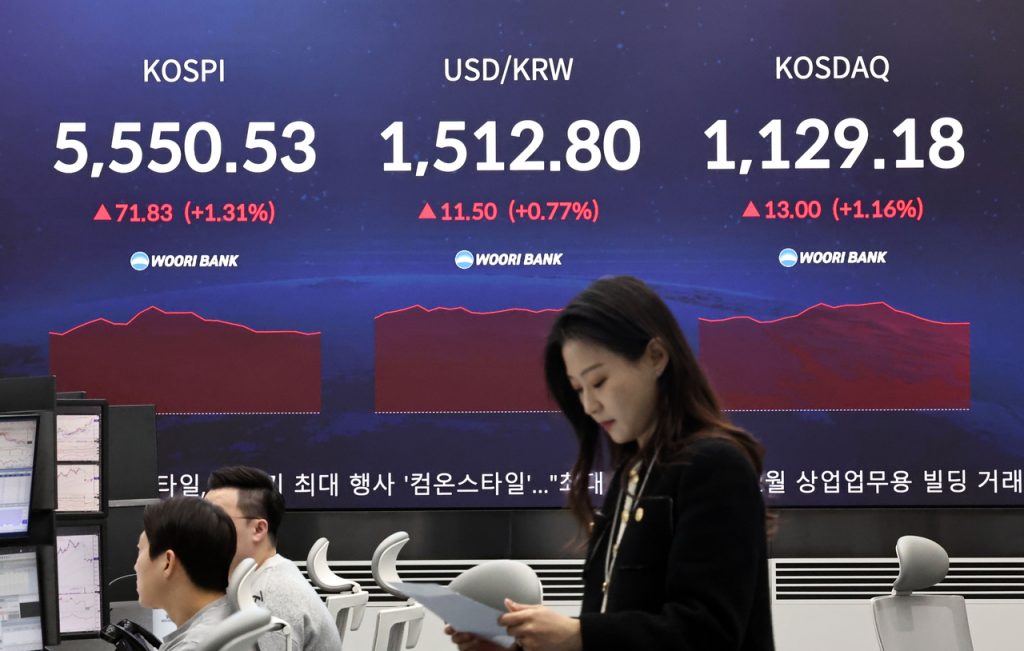
The average won-dollar exchange rate in March reached 1,489.3, marking the fourth-weakest level in history, even surpassing the rate during the Asian financial crisis in March 1998. The won opened Thursday at 1,512.2 per dollar, approximately 5 percent weaker compared to the beginning of the year.
Other experts point to the ongoing downturn in US markets as a deterrent. This downturn reduces investors’ willingness to sell assets at a loss, thereby diminishing the attractiveness of tax incentives when potential gains are limited. KSD data further indicates that, despite net purchases of $1.7 billion in US equities, Korean individual investors’ total holdings in this asset class decreased by nearly $9.8 billion, highlighting that market losses have significantly outweighed new investments.
jwc


