
Seoul Ramps Up Bid for Canada’s Multibillion-Dollar Submarine Program
South Korean and Canadian officials have pledged to deepen cooperation across key sectors including trade, defense, energy, and advanced manufacturing. This enhanced partnership between the two middle powers is seen as crucial amidst growing global uncertainty and strains on the international trading system.
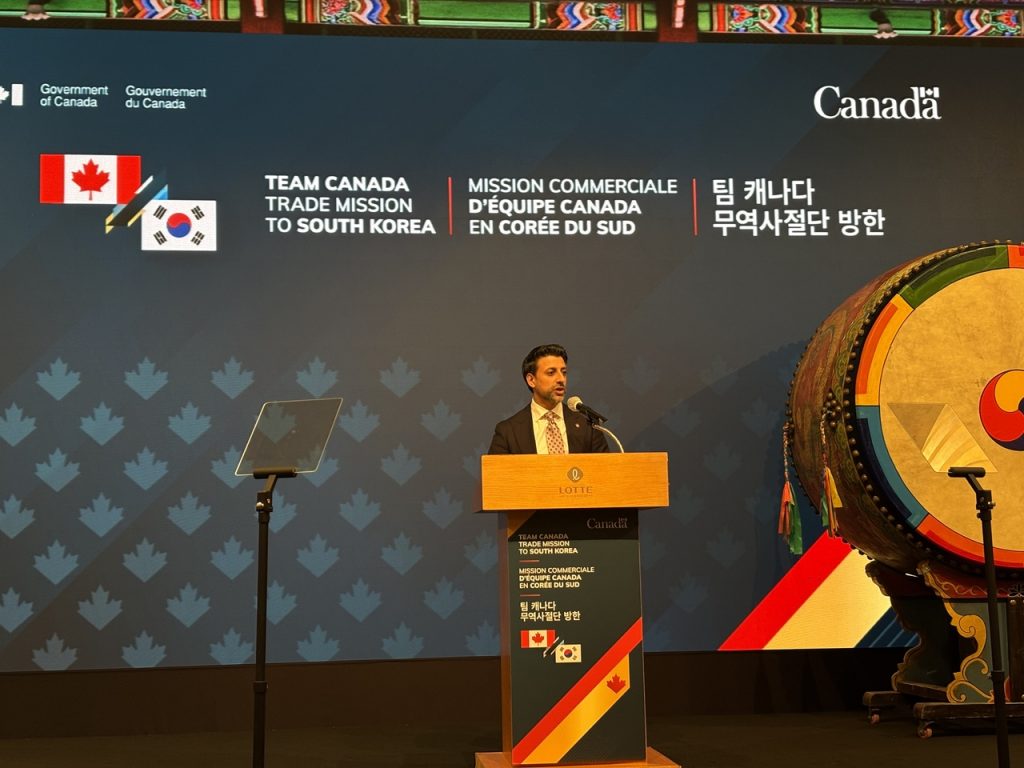
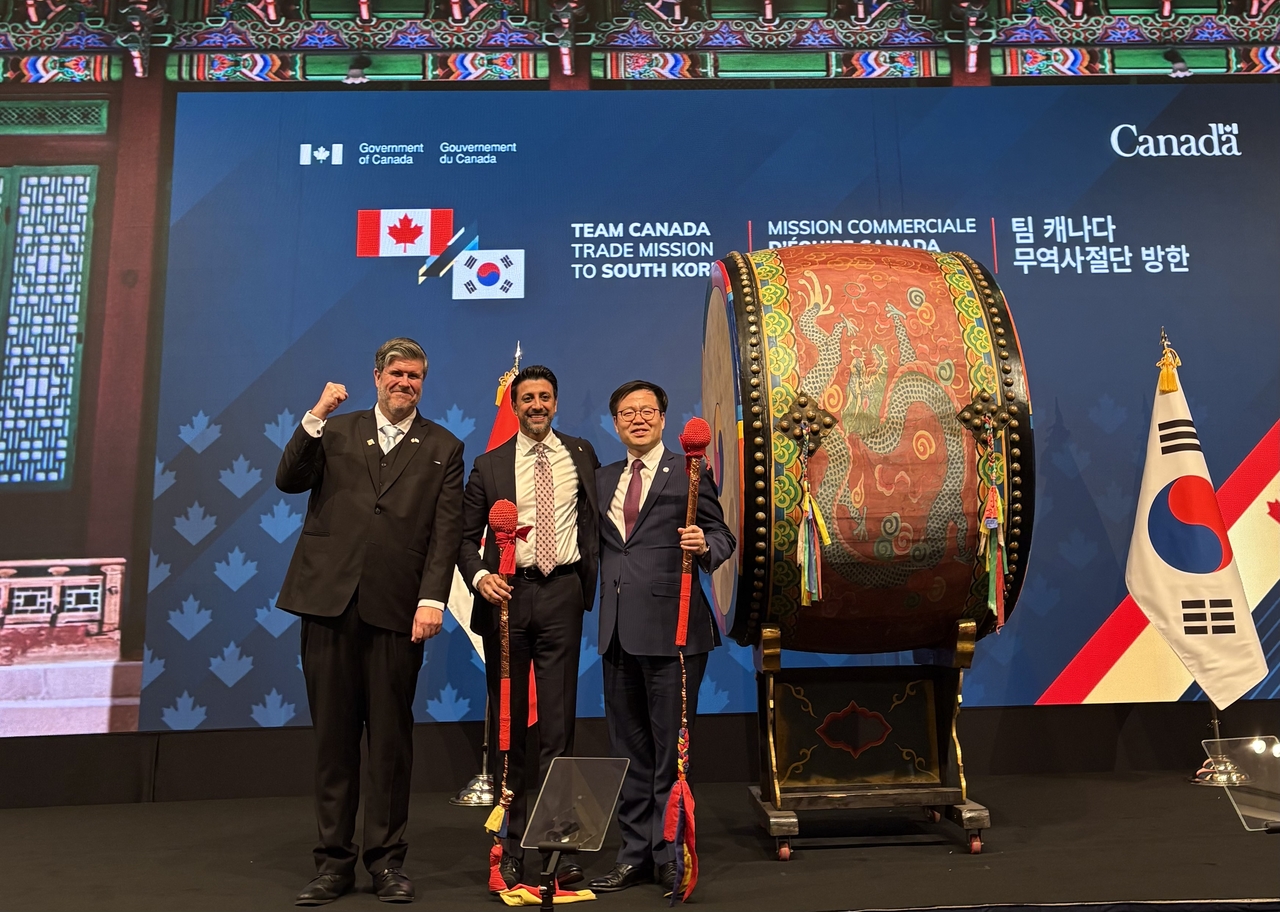
The strengthening relationship was a key focus at a reception hosted by the Embassy of Canada in South Korea on Wednesday evening, during a visit from a Canadian trade delegation led by Canada’s International Trade Minister, Maninder Sidhu.
The event drew over 500 attendees, including delegates from more than 100 Canadian organizations, alongside nearly 300 Korean government officials and business executives.
“The world is shifting. Supply chains are breaking and being tested. Alliances are being excruciatingly tested and every country, every boardroom, every CEO and every trade minister is asking the same question: Who can we count on?” Sidhu stated.
He emphasized that Canada and South Korea are ideal partners in the current global landscape, highlighting Canada’s abundant clean energy resources, critical minerals, and natural resources, alongside its highly educated workforce.
The Minister spotlighted Canada’s vast reserves of critical minerals, noting that the country is home to 31 priority critical minerals, including 10 of NATO’s 12 defense-critical minerals essential for batteries, semiconductors, and aerospace applications.
He also underscored the increasing exports of Canadian liquefied natural gas to Asia, including South Korea.
“Canada is empowering the world, and Korea is one of the most important partners,” said Sidhu.
Minister Sidhu mentioned that bilateral trade in goods and services now exceeds 25 billion Canadian dollars ($18 billion USD), while Korean investment in Canada reached CA$12 billion in 2024, approximately triple the level from a decade prior.
He also pointed out that nearly 250,000 Canadians visit South Korea annually and that Canada is home to approximately 220,000 Korean Canadians.
“This is a human relationship built over generations, and this is what building together looks like. We lift each other up,” he said, using the Korean phrase “sangbu sangjo,” which signifies mutual assistance.
South Korean Trade Minister Yeo Han-koo echoed this sentiment, emphasizing the need for closer collaboration between the two nations as the global trading system faces increased pressure.
“The multilateral trading system is facing erosion, and like-minded nations like Korea and Canada must act together to defend the rules-based international orders,” said Yeo. “At this time of great uncertainty and turbulence, Korea seeks to deepen our bond with Canada not only to weather the storm together, but to explore new avenues of opportunity.”
As a prime example of potential partnership, Minister Yeo highlighted Canada’s submarine procurement deal, in which South Korean companies are actively bidding for a contract valued at CA$60 billion.
“I’m confident that this project will usher in a new strategic renaissance, elevating our bilateral partnership to a new frontier of cooperation,” said Yeo.
“With Korea’s world-class manufacturing capabilities combined with Canada’s abundant resources and technology, we can create the next ‘KPop Demon Hunters’ success story,” he added, referencing the popular Netflix film directed by Korean Canadian filmmaker Maggie Kang.
The Canadian delegation’s visit this week coincides with Seoul’s intensified efforts to win the Canadian Patrol Submarine Project, the Royal Canadian Navy’s plan to acquire up to 12 new diesel-powered submarines to replace its aging fleet.
A consortium led by South Korea’s Hanwha Ocean, alongside HD Hyundai Heavy Industries, is competing against Germany’s Thyssenkrupp Marine Systems for the contract. The preferred bidder is anticipated to be selected in June. If South Korea wins the deal, it would represent the largest single export order for the country’s defense industry.
The Korean government and participating companies have framed the project as more than just an arms sale, positioning it as a comprehensive industrial partnership that would generate investment, supply chain development, job creation, and technology cooperation across various sectors including shipbuilding, steel, defense, and artificial intelligence.
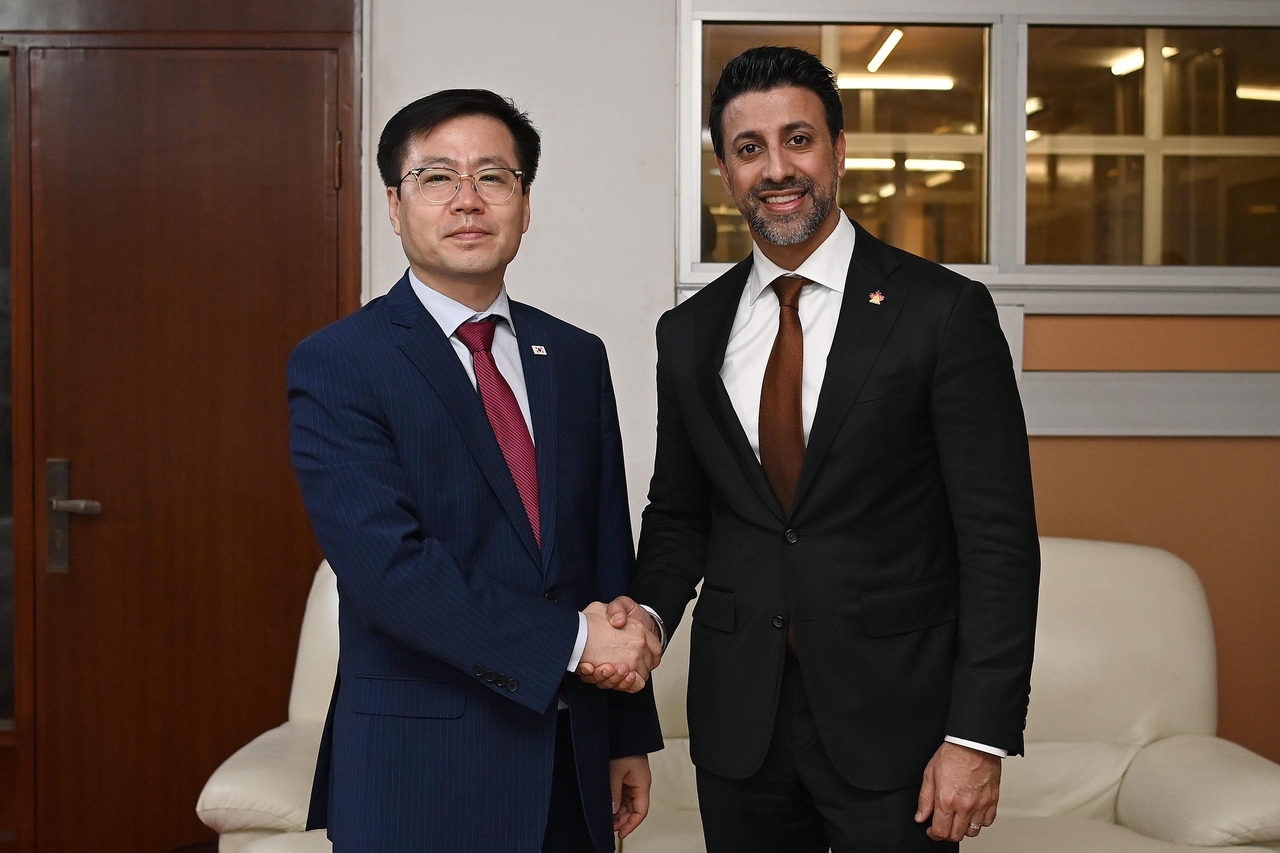
During Minister Sidhu’s meeting with Industry Minister Kim Jung-kwan on Tuesday, they discussed the significance of the submarine deal in strengthening industrial ties between the two nations. He also met with executives from Hanwha Ocean, HD Hyundai Heavy Industries, and Hyundai Motor Group.
sahn


