The singer’s use of ‘Lunar New Year’ revives broader tensions over cultural identity and terminology
K-pop idols often find themselves at the center of controversies they did not necessarily intend to ignite. For global icons such as G-Dragon, even a brief remark onstage can reverberate far beyond its original context.
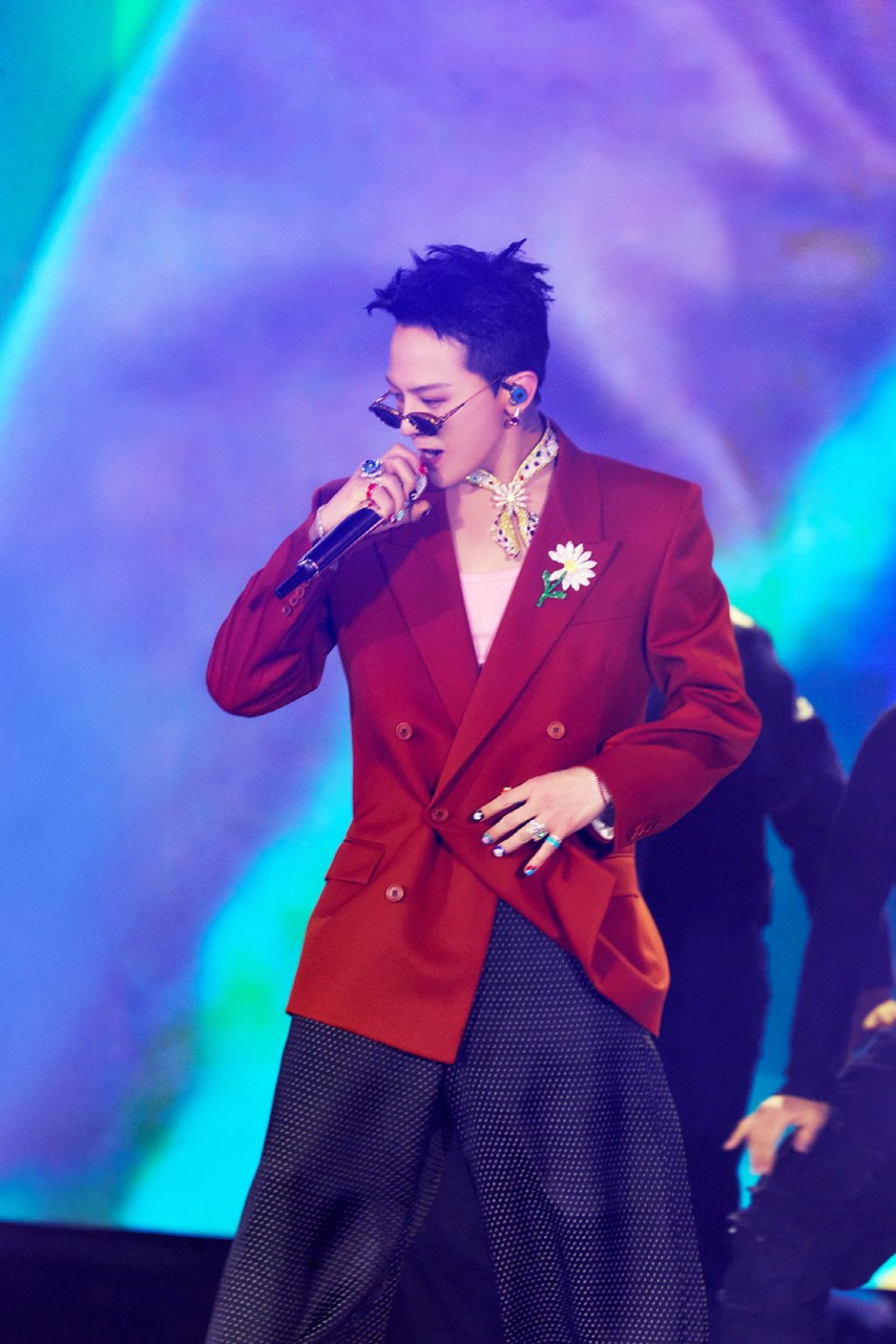
During the Krazy Super Concert held Feb. 17 at Dubai Media City Amphitheater in the United Arab Emirates, G-Dragon greeted fans by saying “Lunar New Year” — a phrase that later drew backlash from some Chinese fans.
The date coincided with the Lunar New Year holiday and G-Dragon used the broader term “Lunar New Year,” instead of “Chinese New Year,” prompting criticism from Chinese concertgoers who had traveled to Dubai as well as online users in China.
The reaction was amplified by the context. As the concert’s headliner, G-Dragon drew the majority of the audience. On the same day, special guest Cai Xukun greeted the crowd by saying “Chinese New Year” in English and encouraged attendees to respond with New Year’s wishes in Chinese, creating a contrast that some fans highlighted in their criticism.
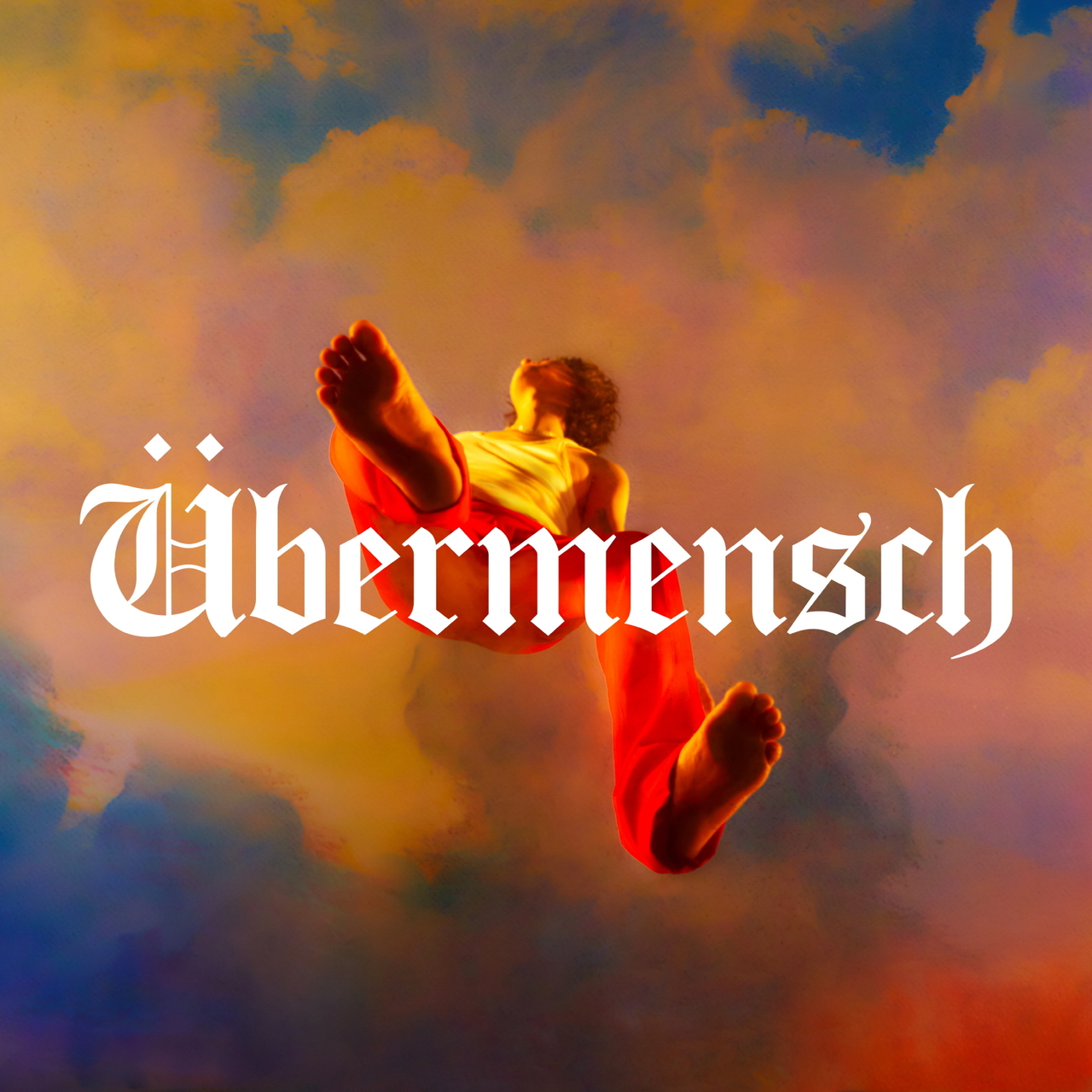
According to a Hong Kong media report Saturday, Chinese fans accounted for 56 percent of global sales of G-Dragon’s third full-length album “Ubermensch,” released Feb. 25 last year — approximately 770,000 copies. Some fans expressed feelings of disappointment over his choice of words.
The concert was organized by Pu1se Events, a Chinese company. Industry observers said the event appeared to have been scheduled around the Lunar New Year holiday to target Chinese expatriates in Dubai, making up a significant portion of the audience.
Still, it would have been inappropriate for a Korean artist performing in the UAE — not China — to exclusively use the term “Chinese New Year.”
“The groundless and excessive claims of some Chinese netizens are growing more intense,” Seo Kyoung-duk, a professor at Sungshin Women’s University and a counselor at the Presidential Council on Nation Branding, addressed the controversy via social media Monday. “The Lunar New Year is not solely a Chinese cultural event, but one celebrated across various parts of Asia.”
He added that Chinese online users have frequently reacted strongly to terminology used by global companies and celebrities and argued that G-Dragon’s use of “Lunar New Year” was an appropriate expression.
An entertainment industry official suggested the controversy may have resurfaced weeks after the concert due to unrelated factors, including a recent social media post by G-Dragon featuring the Korean national flag ahead of March 1, Korea’s Independence Movement Day.
“It seems the issue was reignited and bundled together with other posts,” the official said. “Similar disputes over terminology tend to recur every year.”
A Chinese fan also offered a more measured view.
“Of course, Chinese people can be sensitive about the difference between ‘Chinese New Year’ and ‘Lunar New Year,’” the fan said on condition of anonymity. “But I don’t think it should become a major controversy. It was just the artist showing love for local fans.
“Lunar New Year is celebrated in other parts of Asia such as Korea, Vietnam and Malaysia. G-Dragon is Korean, and Korea celebrates Seollal, its own version of the Lunar New Year. He probably just wanted to share the special moment with his fans and wish them well as a Korean artist.”
G-Dragon’s agency declined to comment on the issue.
jaaykim