K-Pop Dance Transforms Korean Classrooms: Fostering Connection, Confidence, and Engagement Through Movement
Over 80 passionate K-pop dancers dynamically shift through formations in a captivating dance challenge video, perfectly synchronized to Taeyang’s latest hit, “Live Fast Die Slow.” Their brisk steps, rhythmic shoulder rolls, and energetic headbanging showcase impressive choreography. As the group converges into a seamless circle, one dancer expertly executes a headspin, highlighting the vibrant energy of the performance.
This viral video quickly garnered over 420,000 views within two weeks, underscoring the widespread appeal of K-pop dance content. Even Taeyang, the artist behind the track, recognized its impact by liking and sharing the clip on his social media platforms.
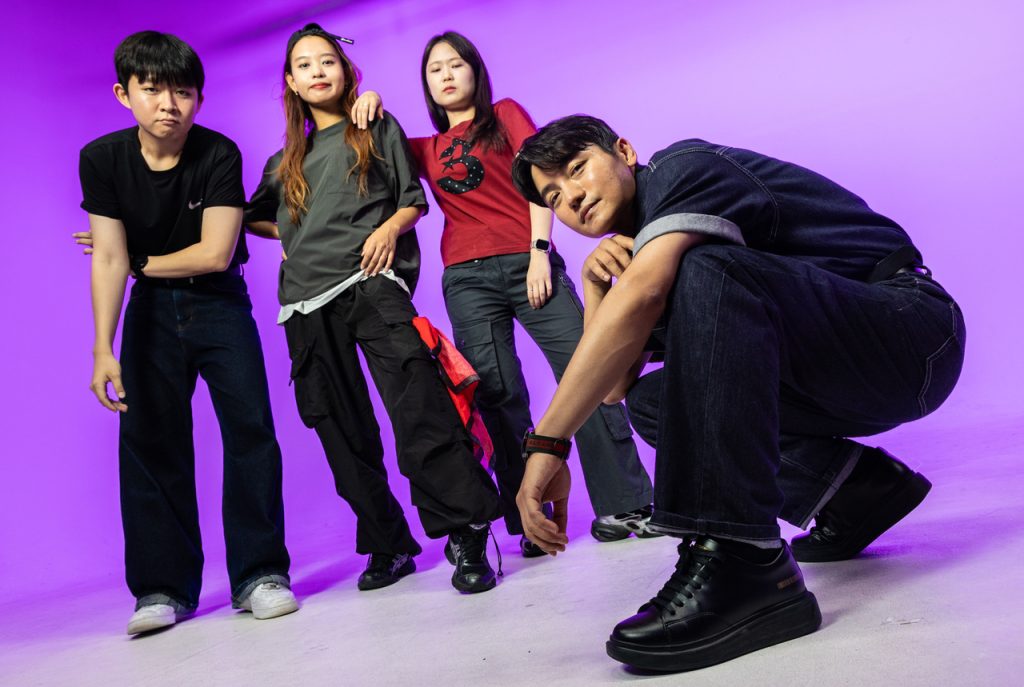
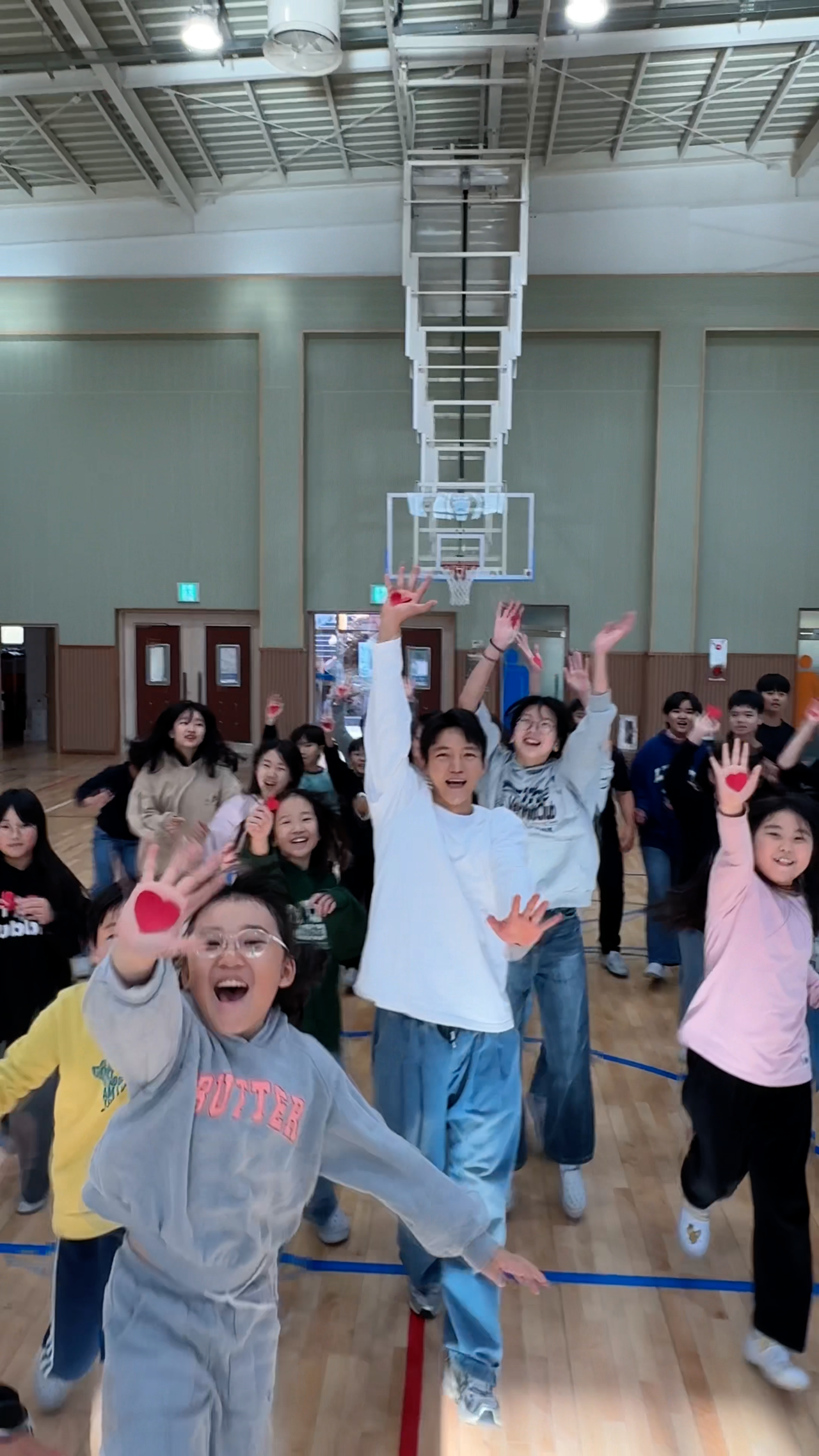
While their performance might suggest a professional dance crew, these talented individuals are, in fact, dedicated elementary school teachers. They integrate K-pop dance into their Korean classrooms, often dancing alongside their students, creating a unique educational experience.
These innovative educators are part of Doodoomchit School, a K-pop dance education collective. Officially launched last year with teachers from Gyeonggi Province, this initiative has rapidly expanded into a nationwide network comprising 176 teachers. They actively explore and implement K-pop dance in the classroom to significantly boost student participation, confidence, and communication skills. The collective is also known by its comprehensive official name: the K-pop Dance Education Research Association for Teachers.
The success of this pedagogical model has garnered significant attention, leading the Gyeonggi-do Office of Education to plan its introduction abroad as part of its international exchange initiatives. This year, members of Doodoomchit School are scheduled to visit New Zealand, where they will share their unique approach to K-pop-based education with international educators.
In an era where popular media, such as the recent Netflix series “Teach You a Lesson,” frequently portrays Korean schools grappling with issues like violence, conflict, and strained teacher-student relationships, these dedicated teachers are pioneering a transformative approach. They are teaching a different, more positive lesson — one profoundly delivered through the power of K-pop dance.

How it started
“I’ve always loved dancing. It brought me immense joy, and I envisioned a future where, as a teacher, my students and I could share that happiness through dance,” stated Lee Hyun-gil, the visionary founder of Doodoomchit School and a teacher at Bucheon Elementary School, during an interview with The Korea Herald on Tuesday.
With two decades of experience in the classroom, 42-year-old Lee Hyun-gil has consistently integrated dance into his teaching since his first assignment in 2007. His methods include teaching K-pop choreography and preparing students for talent-show performances during school trips, all aimed at enhancing the elementary school experience.
“What truly resonated with me was witnessing the profound transformation in my students,” Lee explained. “Children who were typically quiet in class started to open up, feeling more at ease discussing things with me and actively participating in lessons. I recognized that sharing my passion could genuinely make students happy, confirming dance as an incredibly powerful educational tool for fostering student engagement.”
Driven by this conviction, Lee uploaded a K-pop dance challenge video featuring his students on YouTube in 2022, aiming to create a memorable graduation experience. This clip, choreographed to Crush’s “Rush Hour,” has since achieved viral status, accumulating over 8 million views.
Viewers and commenters recognized more than just a dance performance; they perceived students genuinely enjoying themselves, a teacher passionately sharing his interest, and a classroom environment brimming with happiness and positive connections.
“I believe people had been yearning to witness such a vibrant classroom setting,” Lee reflected. “While videos of students dancing existed, there were very few showcasing elementary school teachers and students dancing together, fostering a sense of unity.”
The enthusiastic response from fellow educators was equally encouraging. It solidified Lee’s belief that his colleagues shared a common desire: to discover innovative ways to truly connect with students by leveraging shared passions, like K-pop dance.
Among those inspired was Jeong Ji-yong, 29, a teacher at Hwahong Elementary School in Suwon. Already familiar with Lee’s captivating videos, Jeong enthusiastically joined Doodoomchit School. He now successfully manages a K-pop dance club at his school and recently earned an award with his students at a prestigious student-teacher performance competition, showcasing the power of this educational approach.
Bae Jio, 27, a teacher at Sanpyung Elementary School in Anseong, shared that while she loved dancing as a student, her participation significantly decreased after she became a teacher. “When I learned about Doodoomchit School, I felt it was finally an opportunity to re-engage with that part of myself,” she explained. “However, my primary interest wasn’t just dancing; it was understanding how K-pop dance could be effectively integrated as an educational tool within the classroom setting to enhance student learning.”
For Lee Soo-yeon, 28, a teacher at Jungdong Elementary School in Bucheon, joining the group provided the crucial confidence to explore something she had long been hesitant to reveal. “My students were completely unaware of my passion for dancing,” she admitted. “I was unsure of their reaction and worried it might diminish my authority as an educator. Connecting with other teachers who shared these very concerns empowered me to embrace this new teaching method.”
K-pop as shared language
So, how precisely does K-pop dance transition into an effective educational methodology? The teachers unanimously describe K-pop as a universal shared language—a highly effective means to forge meaningful connections with students in the classroom.
“K-pop stands out as one of the most accessible ways to motivate students,” noted Lee Hyun-gil. “The moment they hear familiar music, their eagerness to participate immediately ignites.” He continued, “It effectively breaks down traditional barriers. When teachers share something they genuinely love, communication becomes more authentic. Students begin to view teachers as approachable individuals they can converse with openly, ask questions freely, and feel completely comfortable around.”
“Once my students discovered that I enjoyed dancing, their perception of me transformed,” Jeong added. “They recognized that we shared common interests. I transitioned from being merely the authoritative adult at the front of the classroom, focused on corrections, to someone they could genuinely connect with on a personal level.”
From a curriculum perspective, integrating K-pop dance is not as unconventional as it might initially appear. Korea’s elementary school physical education curriculum already incorporates units dedicated to movement and expressive activity. Doodoomchit School teachers skillfully leverage these existing frameworks to foster creativity, collaboration, and self-expression among their students through K-pop-inspired movement.
This innovative teaching approach does not strictly mandate teaching exact K-pop choreography. Often, it involves simply moving freely to music, exploring rhythm, and expressing ideas through bodily movement. The primary emphasis is placed less on the technical precision of dance itself and more on the rich learning process—including self-expression and creative exploration—that it facilitates.
“Our core objective isn’t to teach students flawless choreography,” Bae emphasized. “What truly matters is that they genuinely enjoy expressing themselves creatively through movement and K-pop dance.”
Lee Soo-yeon, initially hesitant to introduce dance into her elementary school classroom, began with simple movements rather than complex, full choreography. “What struck me most was the sheer enjoyment the students derived from it,” she recounted. “They grew more comfortable interacting with me, our communication improved significantly, and the classroom atmosphere was filled with considerably more laughter and joy.”
Crucially, not every student is required to physically dance. Those who prefer not to perform are encouraged to take on other vital roles, such as filming, managing lighting, designing stages, or directing the performances. Other students actively assist with choreography development and formation planning, ensuring everyone contributes to the K-pop dance project.
The teachers affirm that the ultimate goal is holistic participation rather than just flawless performance. Through K-pop dance activities, students learn to effectively express ideas through movement, collaborate seamlessly with classmates, and collectively create something meaningful, fostering essential life skills.
“Collaborating on K-pop choreography and performances often proves instrumental in easing classroom tensions and fostering cooperation in ways that traditional academic activities sometimes struggle to achieve,” added Lee Hyun-gil, emphasizing the unique social benefits of this approach.
Happy teachers, happy students
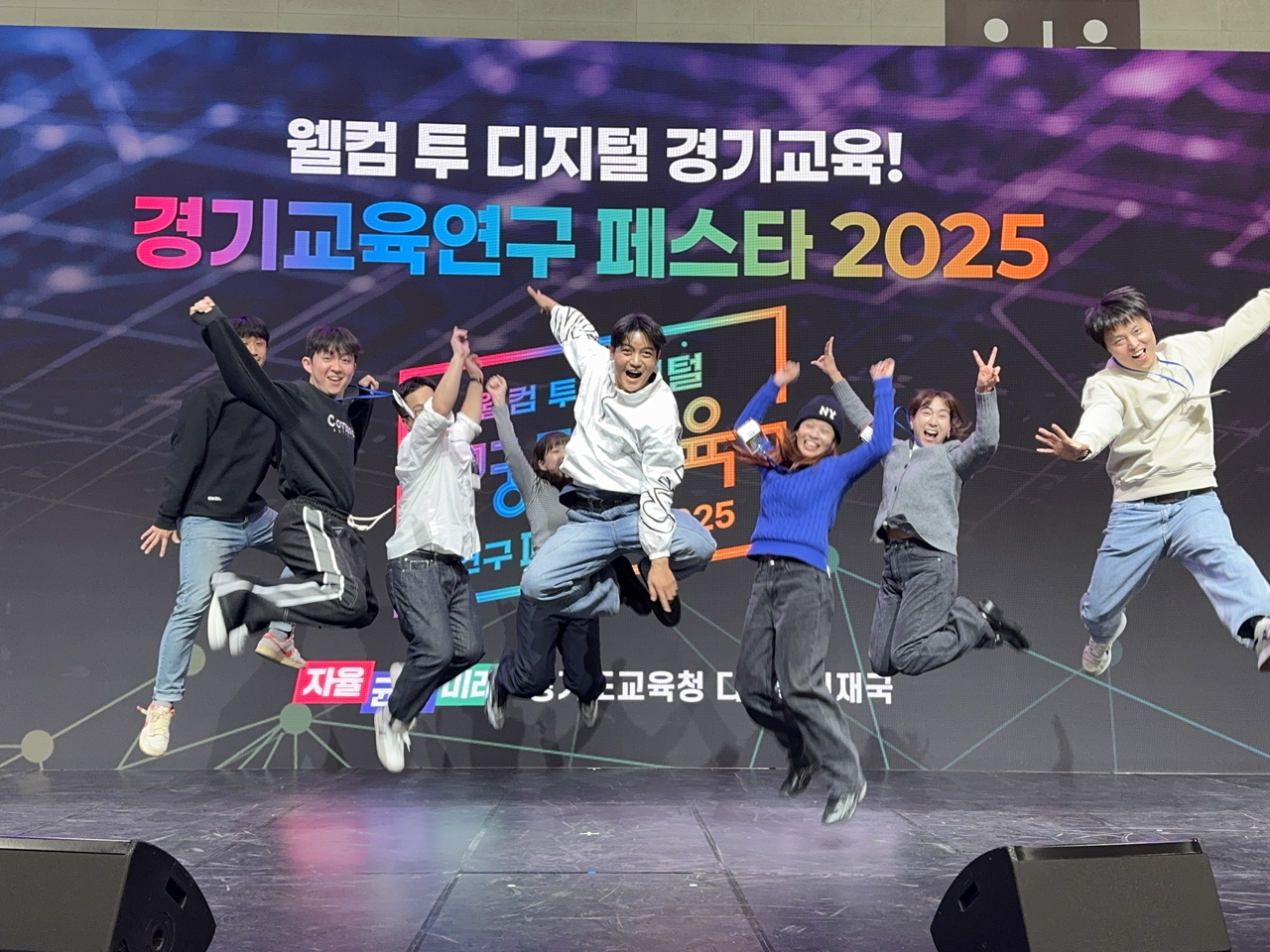
Consistently, the teachers emphasized one core concept above all others—beyond K-pop or dance, the resounding theme was simply happiness.
For these dedicated teachers, K-pop dance serves as a powerful vehicle for sharing their personal passions with their students. Witnessing students laugh, grow, and achieve successes through dance becomes a profound source of positive energy and renewed motivation for the educators themselves.
“For students to truly be happy, teachers must also be happy,” Bae articulated. “When I arrive at school genuinely excited about the activities I’m leading, I find myself smiling more, becoming kinder, and exuding greater enthusiasm. I believe students perceptibly feel this positive shift. When elementary school teachers and students genuinely like and connect with one another, it forms one of the most powerful and valuable assets in elementary education.”
“I completely agree,” affirmed Jeong, who consistently arrives at school over an hour early to facilitate K-pop dance activities for his students. “It undeniably involves extra effort. However, I dedicate this time because it’s incredibly fun and genuinely makes me happy. The true reward, for me, lies in those precious moments when students collaboratively achieve success in something, celebrating together.”
For Jeong and his fellow educators, the ultimate goal is straightforward: to become the kind of elementary school teacher students fondly remember. “I aspire to be the teacher they look back on and say, ‘That school year was truly a happy one, thanks to that teacher,’” he shared.
“‘When teachers move, things change.’ This encapsulates our core slogan,” Lee stated. “Here, ‘movement’ extends beyond just dancing. It embodies the proactive willingness of educators to reach out, communicate openly, and share their genuine passions with students, thereby transforming the learning environment.”
Doodoomchit School’s ambitious long-term goal is for its innovative teaching methods to no longer be considered exceptional, but rather to become a commonplace and integral part of the standard pedagogical toolkit in every Korean classroom.
“Our mission is simply to share our happiness and passion with students,” Lee concluded. “And through this engaging process, we are witnessing remarkable positive changes in them. That, in itself, we consider to be the very essence of meaningful education and student development.”
hwangdh