South Korea’s financial regulatory body is intensifying its scrutiny of single-stock leveraged exchange-traded funds (ETFs) linked to major domestic companies like Samsung Electronics and SK Hynix. This move comes amidst increasing apprehension that rampant speculative trading in these instruments is significantly amplifying volatility across the stock market.
According to industry insiders on Thursday, the Financial Supervisory Service (FSS) is slated to convene with executives from leading asset management firms. The purpose of these discussions is to formulate effective strategies to temper the rapid expansion of this specific market segment. Key topics expected to dominate these talks include the implementation of enhanced safeguards for leveraged single-stock ETFs and strengthening investor protection mechanisms.
The FSS has significantly escalated its oversight following data revealing that the average daily turnover ratio for these products surged to an alarming 122.5 percent, with some individual funds even exceeding a 200 percent turnover rate. Regulators are concerned that this elevated level of trading activity is now exerting undue influence on the broader financial market.
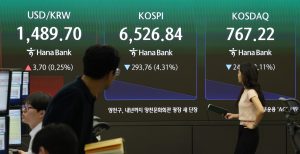
Amidst pronounced fluctuations in domestic equities, the VKospi, a key indicator measuring anticipated volatility in the Kospi 200 index, climbed as high as 95.5. Authorities firmly believe that concentrated capital inflows into single-stock leveraged ETFs have been a significant contributing factor to these recurrent episodes of market instability.
“While the FSS faced constraints in its capacity to intervene during the initial policymaking phase,” an FSS official commented, “we now have a critical opportunity to ensure our profound concerns are addressed and acted upon.”
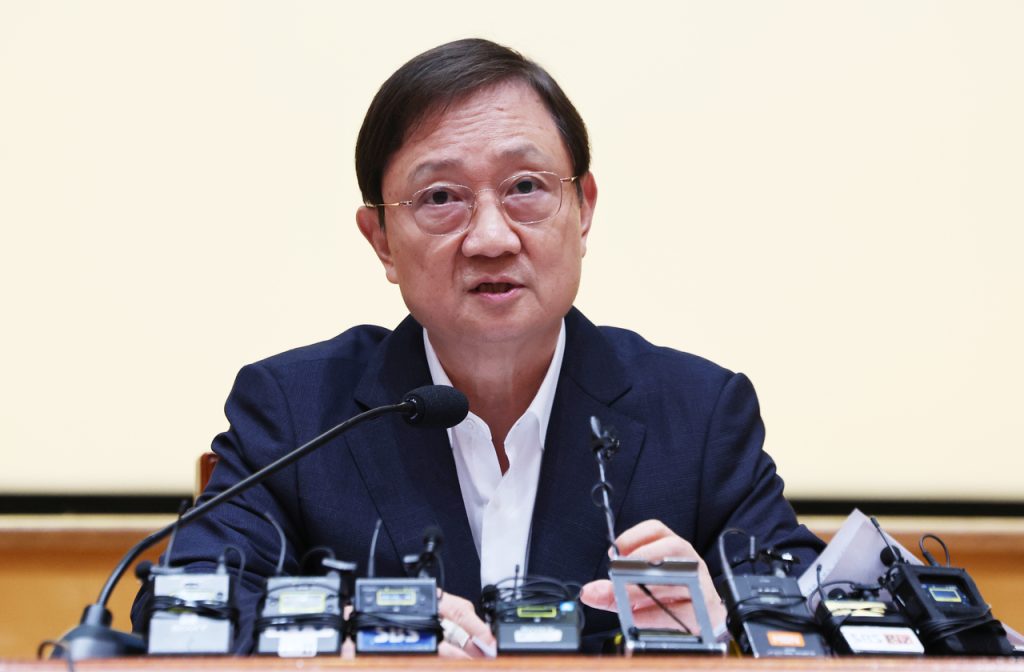
This firmer regulatory stance by the FSS follows recent statements from its Governor, Lee Chan-jin, who publicly voiced his regret regarding the introduction of single-stock leveraged ETFs to the market.
“Reflecting personally, I questioned whether we should have found a way to prevent their launch,” Governor Lee stated. “I deeply regret that we didn’t.”
Within the FSS, Governor Lee’s remarks have been widely interpreted as a clear directive to enhance and solidify the regulatory oversight framework for these particular financial products.
Supporting the regulators’ growing concerns, recent market data presents a stark picture. Disclosures regarding ETF premium and discount variances exceeded regulatory thresholds an astonishing 3,681 times in the first half of the year alone, representing 97 percent of the total occurrences for the entirety of the previous year. The vast majority of this increase occurred after single-stock ETFs commenced trading in May, as these products frequently traded at considerable premiums or discounts relative to their net asset values (NAV).
Despite repeated warnings and increased regulatory attention, the average daily trading value in single-stock ETFs has stubbornly remained above 10 trillion won (approximately $6.5 billion), unequivocally underscoring the persistent and significant speculative demand in this market segment.
Furthermore, the Financial Services Commission (FSC), which serves as South Korea’s principal financial policymaking body, is actively reviewing additional comprehensive investor protection measures. These potential measures include raising the current minimum investment requirement beyond 10 million won and implementing extended mandatory investor education programs to better inform participants about the inherent risks.
ch0221