Facing mounting concerns over surging household debt, South Korean financial institutions, including prominent internet-only banks, are significantly tightening access to unsecured credit. This industry-wide pullback, initiated by major commercial lenders, is now being echoed by online platforms.
Among online lenders, K Bank has implemented the most stringent measures, announcing Tuesday the suspension of all new overdraft accounts until July 31. The bank has also introduced daily caps on credit loan applications and intends to reduce lending limits specifically for high-income borrowers.
Kakao Bank, South Korea’s leading internet-only financial institution, will significantly reduce the maximum limit on its overdraft accounts to 100 million won ($66,100) starting Monday, a sharp decrease from its prior cap of 240 million won. Furthermore, beginning in July, the bank plans to cut limits by up to 20 percent for large overdraft accounts exhibiting low utilization.
This major online lender will also maintain its daily application cap for new unsecured credit loans, halting requests once an internal threshold is met. Notably, credit products designed for mid- and low-credit borrowers will remain exempt from these tighter restrictions.
Following suit, Toss Bank is also preparing to introduce comparable restrictions. Its plans include reducing the maximum unsecured credit loan amount to 100 million won and capping overdraft accounts at 50 million won, representing a substantial cut to one-third of their current ceilings.
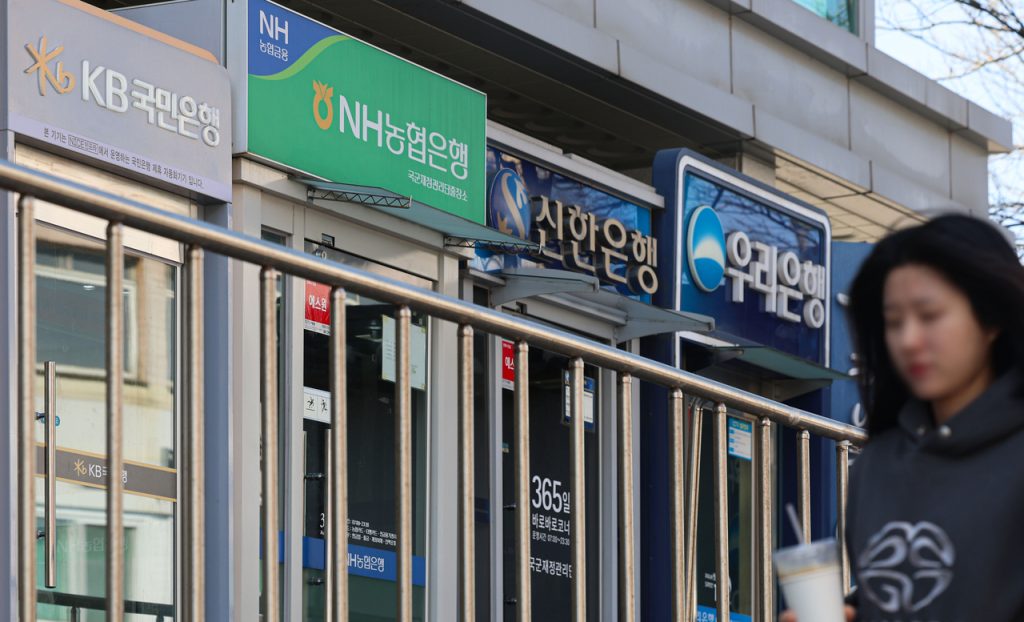
These decisive actions by internet-only banks align with earlier measures taken by South Korea’s five largest commercial banks. These include credit loan caps at KB Kookmin Bank and Hana Bank, tightened online application and refinancing rules at Shinhan Bank and Woori Bank, and reductions in preferential rates at NH NongHyup Bank.
The intensified clampdown by lenders comes after South Korean financial authorities placed household debt under emergency monitoring last week. Regulators have committed to weekly checks on banks failing to meet loan growth targets and have strongly urged institutions to implement robust voluntary controls, such as reducing credit loan limits for high-income borrowers and promoting early repayment strategies.
This regulatory and institutional pressure arises from a significant surge in household loans across the financial sector. In May, these loans increased by 9.3 trillion won, nearly tripling the previous month’s rise, driven by a sharp jump in unsecured credit even as mortgage growth decelerated. Specifically, other loan categories, including personal credit loans and overdraft accounts, saw a dramatic shift, moving from a 2 trillion won decline in April to a substantial 5.3 trillion won increase.
The upward trend in household borrowing has persisted into June. Local reports indicate that credit loans at the nation’s five largest commercial banks rose by 1.6 trillion won within the first ten days of the month. Concurrently, overdraft balances climbed by 1.2 trillion won in early June, with approximately half of this increase occurring between June 5 and 8, a period when the Kospi index experienced a 14 percent tumble. This timing strongly suggests that retail investors leveraged these accounts to “buy the dip” in the stock market.
Official statements further reinforce the connection between this loan surge and stock investment demand. The Bank of Korea, in its May financial markets report, noted that other loans “rose sharply as individuals’ large-scale stock investments coincided with seasonal funding demand in May.”