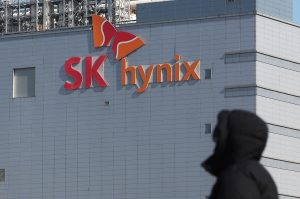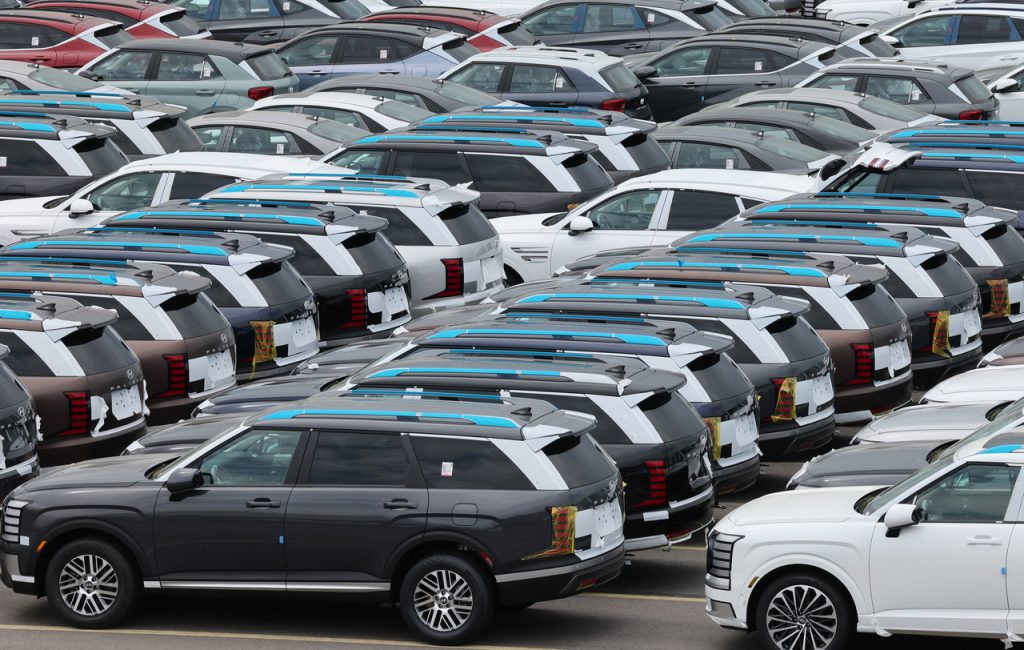
South Korea’s automotive sector experienced a slowdown in May, with **auto exports** registering a nearly 6 percent decrease compared to the previous year. This dip in **South Korean vehicle exports** was largely attributed to significant **supply chain disruptions** impacting **auto parts**, following a recent factory fire within the country.
New data from the **Ministry of Trade, Industry and Resources** reveals the combined value of **automobile exports** reached $5.83 billion last month. This figure represents a 5.9 percent decline from the same period last year, highlighting ongoing challenges in the **automotive export market**.
A detailed breakdown of **outbound shipments** shows varied regional performance. Exports to key markets such as North America, Latin America, and the European Union saw respective decreases of 1 percent, 3.6 percent, and 6.5 percent. Shipments to the Middle East also dropped by 4.2 percent.
Conversely, some regions demonstrated robust growth for **South Korean car exports**. Exports to Oceania surged by 20.1 percent, while shipments to Africa increased significantly by 16.1 percent, providing some positive momentum amid the overall decline.
The ministry’s report also highlighted the consistent strength of the **eco-friendly automobile** segment. Exports of these advanced vehicles maintained solid year-on-year growth, expanding by 9.9 percent to reach an impressive $2.4 billion, underscoring the global demand for sustainable transport.
Domestically, **vehicle sales** within South Korea contracted by 10.3 percent last month, with a total of 127,315 units sold. Sales of locally manufactured cars faced a steeper decline of 14.2 percent, totaling 96,240 units. However, the imported car market showed resilience, with sales rising by 4.8 percent to 31,075 units.
Furthermore, the data indicated a broader contraction in **domestic automobile production**, which fell by 8.2 percent year-on-year, resulting in 329,559 units produced across the nation.
Major **South Korean automakers** reported production declines. Hyundai Motor Co. saw its production decrease by 12 percent, while Kia Corp. experienced a 2 percent reduction.
Other significant players in the **South Korean automotive industry** also faced production setbacks in May. GM Korea Co., a unit of General Motors Co., reported an 6.6 percent drop. KG Mobility Corp. saw an 8 percent decrease, and Renault Korea Motors Co. registered a substantial 46.5 percent year-on-year decline in its production figures.