South Korea’s Biopharma Sector Faces Unrest: Samsung Biologics Labor Deadlock Persists, Celltrion Forms First Union
Despite strong financial performance, South Korea’s prominent biopharmaceutical companies, Samsung Biologics and Celltrion, are currently navigating unprecedented labor disputes between their management and newly empowered unions.
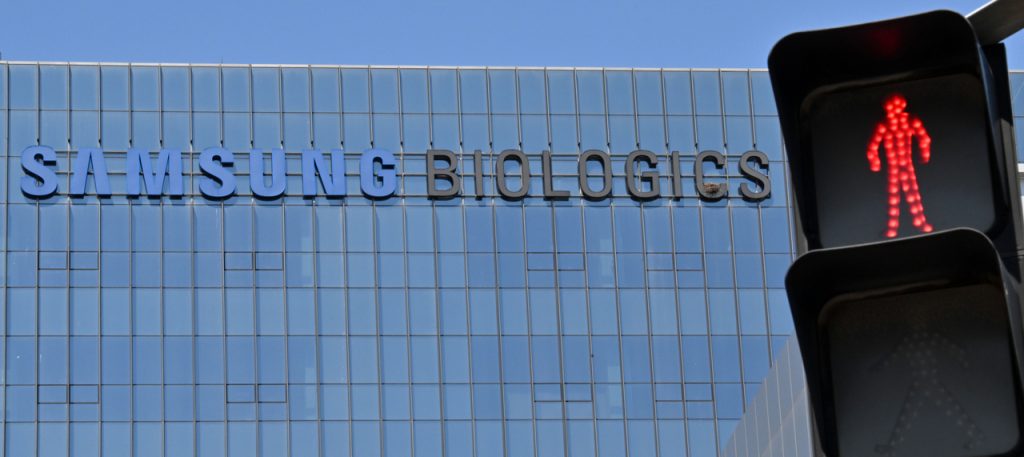
The ongoing labor dispute at Samsung Biologics, initiated in April, shows no immediate signs of resolution, as the company and its union struggle to reach a mutually agreeable settlement.
Amidst this deadlock, the Samsung Biologics labor union is considering withdrawing from the broader Samsung Group conglomerate-wide union. This deliberation follows the recent eleventh-hour agreement between Samsung Electronics’ labor union and management, which averted a major walkout last month.
Explaining the potential withdrawal, the Samsung Biologics labor union cited challenges in coordinating collective action due to differing interests among various subsidiaries within the conglomerate-wide union. They also indicated that such a move would not significantly alter their strike strategy.
Next week, the Samsung Biologics labor union plans to convene a general assembly to deliberate on its next steps, including a vote among members on the proposed withdrawal from the larger union, scheduled for the final week of this month.
Industry observers anticipate that severing ties with Samsung’s group-wide union could bolster the biopharmaceutical union’s negotiation leverage, enabling it to act independently and pursue its own specific demands.
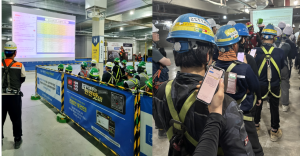
Despite the lack of an agreement, the Samsung Biologics union previously staged a five-day full-scale strike from May 1-5. This historic walkout, the first in the company’s 15-year existence, resulted in estimated losses of 150 billion won ($98 million) for the firm, representing approximately 25 percent of its first-quarter operating profit. Since then, the union has adopted a work-to-rule approach.
Given Samsung Biologics’ role as a contract development and manufacturing organization (CDMO) – a business requiring continuous biopharmaceutical production – the company and the union are now engaged in legal disputes. The company has sought a court injunction to limit specific strike actions that could disrupt critical operations.
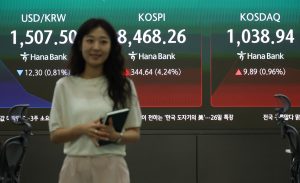
Since the initial walkout in early May, Samsung Biologics’ stock price has experienced a decline of over 10 percent, reflecting investor concerns.
Shin Ji-hoon, an analyst at KB Securities, noted, “Short-term risks associated with the labor union’s strike persist. However, a successful resolution through a negotiated deal could alleviate current uncertainties and potentially serve as a positive catalyst for the stock.”
Meanwhile, Celltrion is preparing for impending negotiations with Unitrion, the company’s inaugural labor union since its establishment in 2002. Unitrion officially launched on June 1, aligning itself with the powerful Korean Confederation of Trade Unions.
In a public statement, Unitrion declared, “We demand transparent compensation structures and proper recognition for our unwavering commitment to Celltrion.”
The union further asserted, “While Celltrion stands as a pivotal pioneer in advancing South Korea’s biopharmaceutical industry, the dedicated workers who tirelessly maintained production and illuminated our labs day and night have received only sacrifice under the guise of ‘pride.'”
Unitrion has outlined four primary demands: enhanced transparency in bonus and salary determination through collective bargaining, increased staff recruitment, improved employee benefits, and the fostering of a more positive workplace culture.
Celltrion management affirmed its respect for the legal right of employees to establish a labor union. The company pledged to respond appropriately to the union’s future initiatives, emphasizing its commitment to responsible management, open communication with employees, and ensuring stable business operations for sustainable growth.
Following the union’s formation, Celltrion’s stock price has also experienced a dip of approximately 12 percent, indicating market sensitivity to these developments.
An industry official commented, “Compensation systems within the Korean biopharmaceutical sector must evolve in tandem with the industry’s significant growth.”
They added, “Implementing a competitive and fair compensation policy is crucial to prevent talent attrition and sustain the robust growth trajectory of the biopharmaceutical industry, thereby strengthening the entire sector.”
However, the official underscored the importance of avoiding extreme labor standoffs, given the biopharmaceutical industry’s direct links to public health and its reliance on trust from global clientele. Instead, they urged for concerted efforts to achieve compromise and foster win-win solutions for all stakeholders.
hwkan