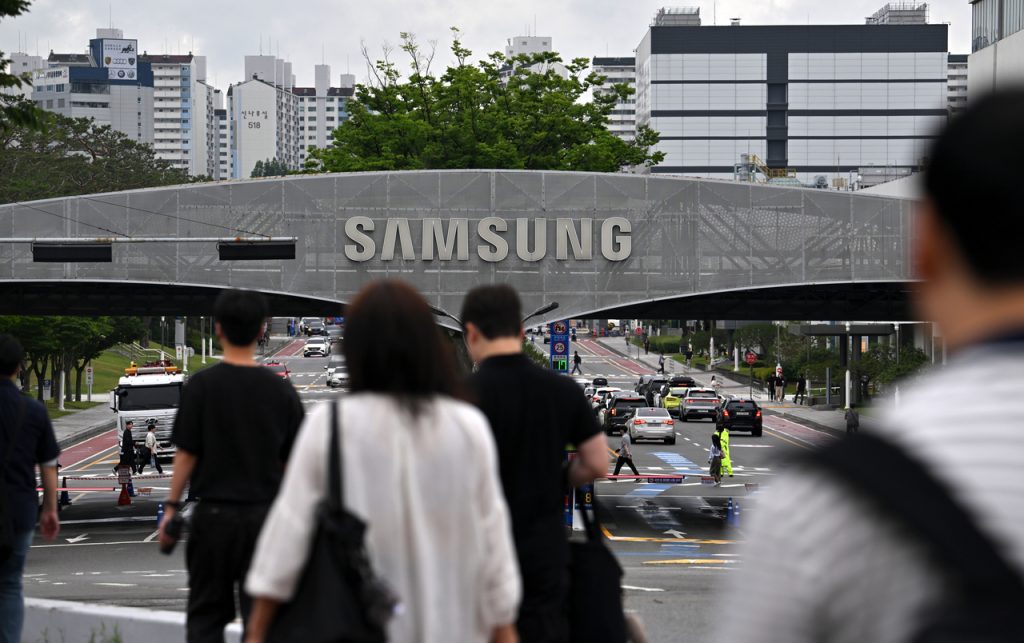
Samsung’s Bonus Dispute Ignites New Workplace Dialogue on Anonymous Platforms
In the vibrant tech landscape of Silicon Valley, the anonymous workplace platform Blind has become an essential digital forum for tech professionals to discuss sensitive topics, including potential layoffs. Employees verify their corporate affiliation via company email, allowing them to post anonymously under specific company tags.
Blind has garnered significant attention in the United States, particularly for its “Tech Layoff Tracker,” which documents both confirmed and rumored job reductions across the industry. The New York Times recently highlighted Blind’s crucial role in reflecting the evolving sentiment within major tech companies, offering an unfiltered glimpse into the prevailing mood.
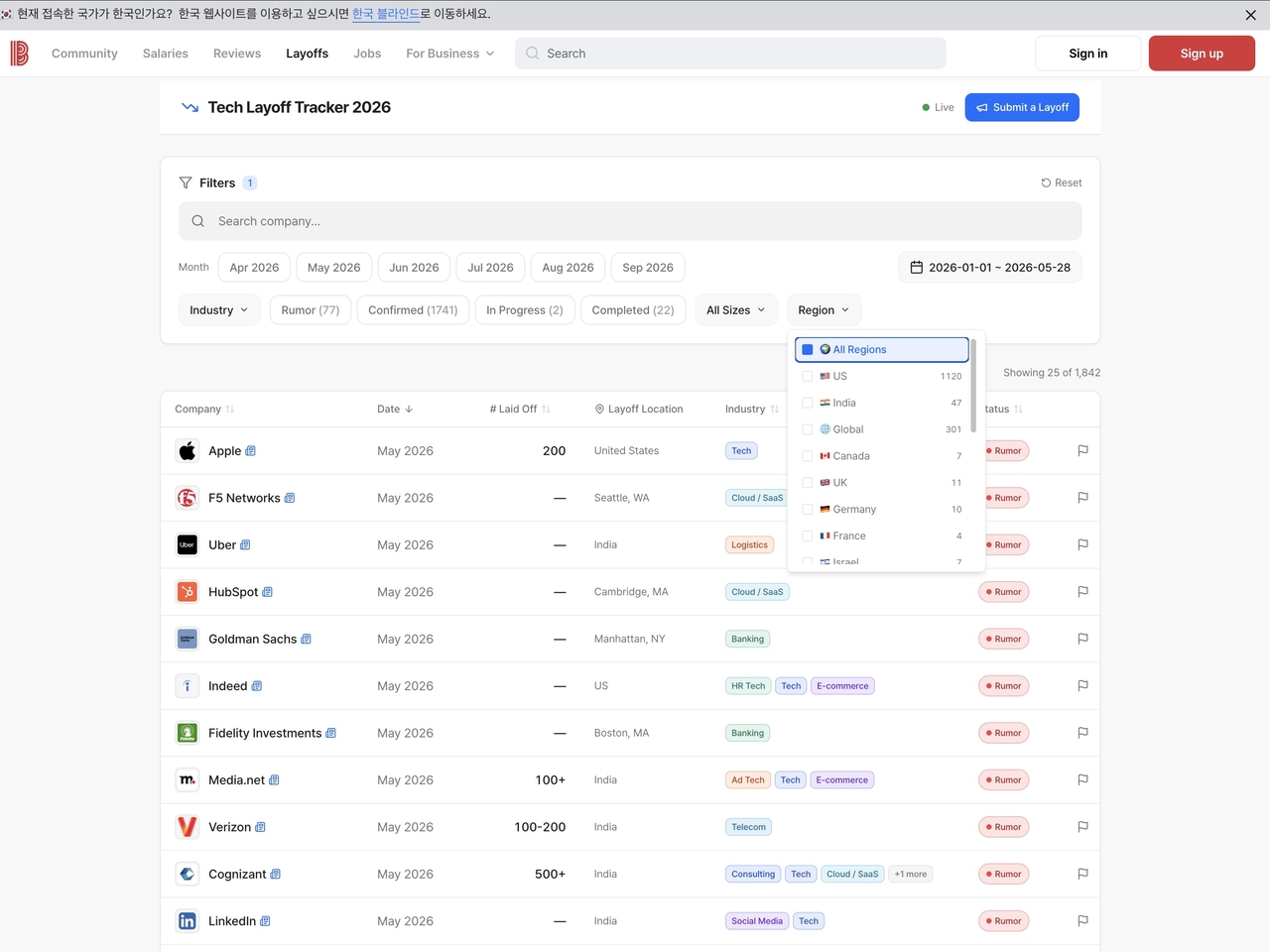
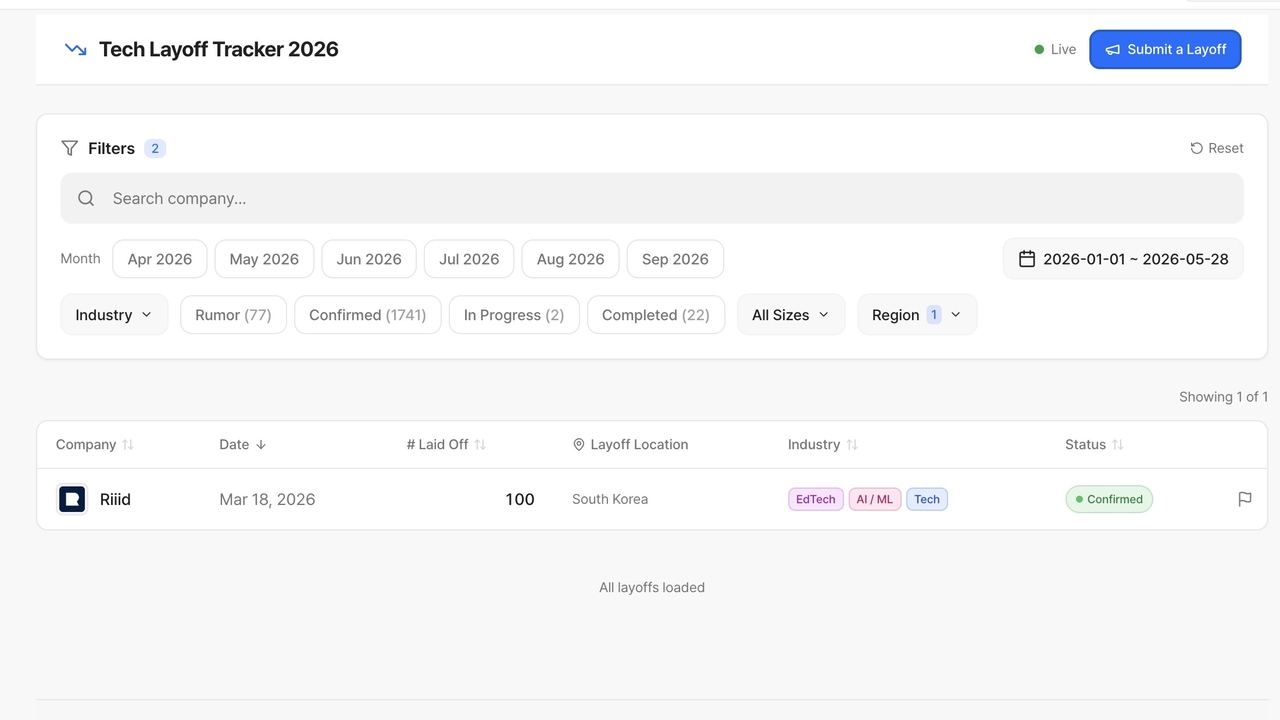
Interestingly, in South Korea, where Blind originated before its expansion to the US market, the same layoff tracker remains largely inactive. A recent analysis by The Korea Herald revealed over 1,100 entries for US companies but only a single entry for South Korea: Riiid, an AI education technology startup. This stark contrast is noteworthy, given Blind’s deep roots in Korean corporate culture, having launched there in 2013 and now operated by Silicon Valley-based TeamBlind.
A TeamBlind official noted that interest in the layoff tracker in Korea does not match the intensity seen in the US. This discrepancy stems from fundamental differences in labor practices; large Korean corporations rarely conduct the mass layoffs of regular employees common in the US. Instead, workforce adjustments typically manifest as voluntary retirements, recommended resignations, internal transfers, job reassignments, or reduced new hires.
Oh Gye-taek, a senior research fellow at the Korea Labor Institute specializing in wage systems, explains that the near-empty Korean tracker does not signify an absence of workplace anxiety. “Given the low flexibility in both employment and wages in Korea, performance bonuses often become a primary point of contention,” Oh stated. Recently, this very conflict erupted prominently on Blind.
Performance Bonus Discussions Surge, Extending Beyond Samsung
Data provided by Blind to The Korea Herald indicates a dramatic increase in discussions surrounding “performance bonuses” on Korean public topic channels. Posts mentioning this phrase surged to 18,862 in April, marking a 266 percent increase year-on-year. From May 1 to May 12, the figure climbed further to 7,176 posts, a remarkable 418 percent rise from the previous year.
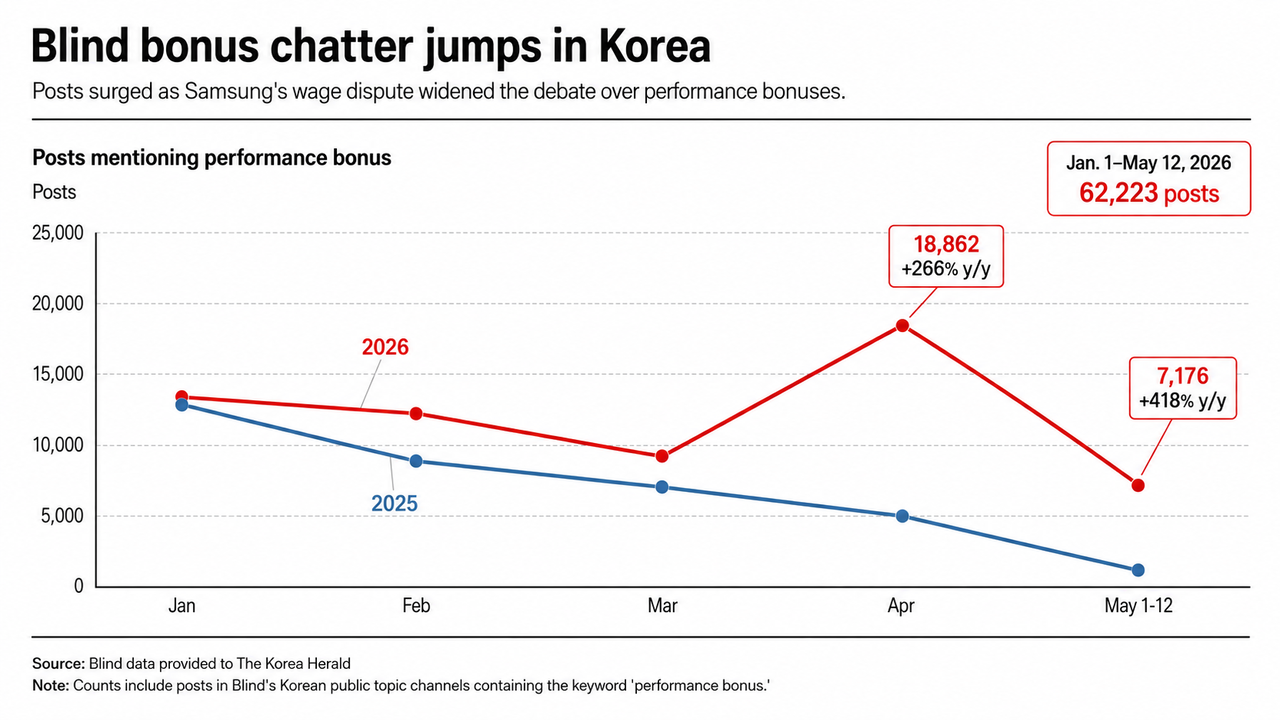
This surge directly coincided with the wage dispute at Samsung Electronics. In April, as major companies released first-quarter earnings, Samsung’s bonus negotiations became a focal point across the corporate sector. The discussions intensified in May when Samsung’s largest unions considered a potential strike.
From January 1 to May 12, Blind recorded 62,223 posts discussing performance bonuses. Employees of Samsung Electronics contributed approximately 21 percent of these posts, while SK hynix employees accounted for roughly 4 percent. Crucially, nearly three-quarters of these discussions originated from employees at other companies, underscoring the widespread interest.
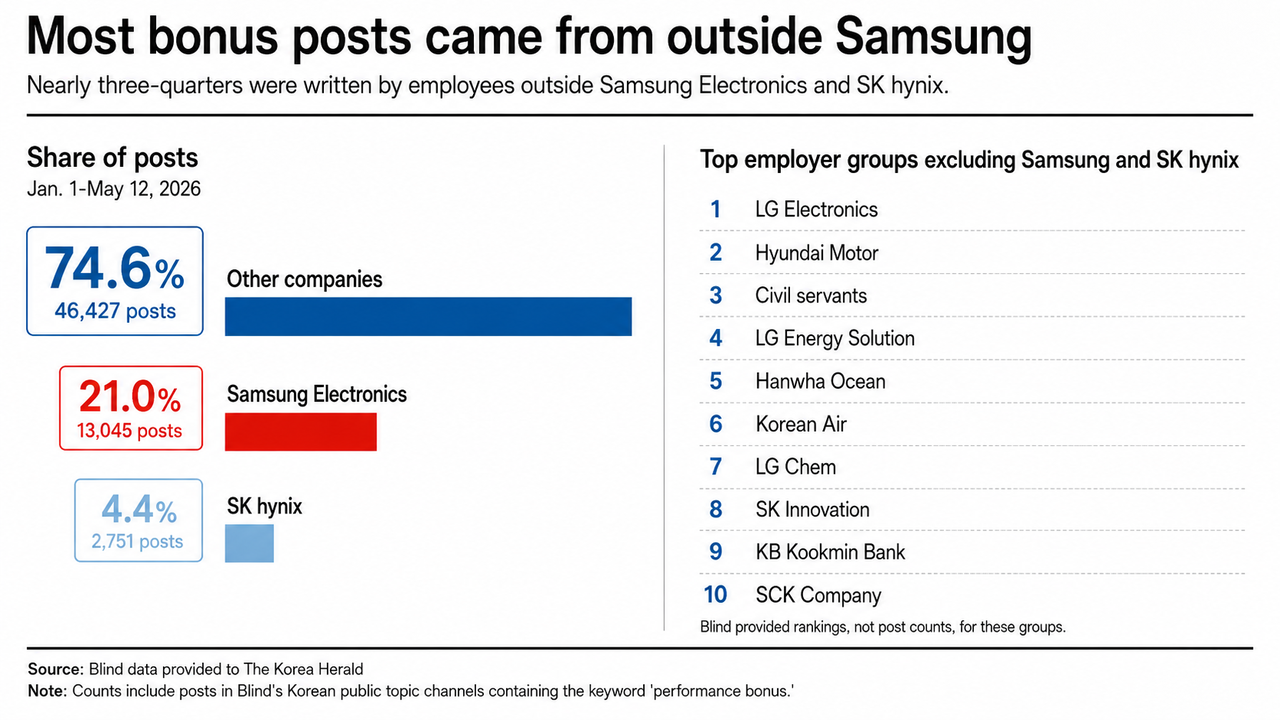
Beyond Samsung Electronics and SK hynix, Blind’s ranking of employer groups with the most performance bonus discussions included prominent names like LG Electronics, Hyundai Motor, LG Energy Solution, Hanwha Ocean, Korean Air, LG Chem, and SK Innovation. This broad participation clearly demonstrates that Samsung’s dispute became a significant reference point for bonus discussions far beyond the semiconductor industry. While the data captures the volume of posts mentioning “performance bonus” rather than explicit sentiment, the timing strongly suggests Samsung’s situation was a catalyst for this broader conversation.
Samsung’s wage deal was approved this week with 73.7 percent support, resolving the uncertainty surrounding a potential strike. The agreement included a special performance bonus for its Device Solutions division, which encompasses the lucrative semiconductors unit. Hypothetical estimates in local reports suggested that if Samsung Electronics’ annual operating profit reached 300 trillion won ($200 billion), memory business employees could receive approximately 600 million won each before tax. While this figure was substantial, the debate on Blind quickly shifted beyond the mere size of a single payout.
Companies Confront Demands for Transparent Bonus Formulas
According to a human resources official at a major Korean company, the most significant change observed in Blind posts was in the language used. Until last year, bonus discussions primarily revolved around comparative questions, such as: “Why is our payout so low?” or “I heard SK hynix is paying substantially more.”
However, in April and May, the vocabulary evolved dramatically. Posts increasingly featured terms like “OPI formula,” “EVA,” “percentage of operating profit,” “calculation standards,” and “bonus caps.” This linguistic shift is critical because performance bonuses have historically served as one of the few flexible components of Korean corporate compensation. Base salaries are challenging to reduce once increased, and employee dismissals are complex under Korean labor law. Bonuses offered companies the agility to reward employees generously during prosperous years and less so during leaner times, without permanently elevating fixed labor costs.
Another HR official from a major manufacturer believes Samsung’s case could fundamentally alter the “grammar” of future wage negotiations. Historically, talks centered on benchmarking against rival companies’ compensation packages. The official suggests that the next round of negotiations may focus intensely on whether performance bonuses should be codified as a fixed share of operating profit, demanding greater transparency in bonus calculation.
Implementing such rigid formulas presents challenges for manufacturers, as profit generation rarely stems from a single unit. Planning, research and development, procurement, production, and support functions are all interconnected. If bonuses were solely tied to individual divisional margins, critical future-growth units or support teams that do not generate immediate profit might “struggle to retain talent,” the official cautioned.
Despite these complexities, labor-side experts argue that the demand for clearer bonus formulas should not be dismissed as mere imitation or selfishness. Kim Sung-hee, head of the Institute for Industrial and Labor Policy, emphasized, “Employees are not advocating for irresponsible payouts during economic downturns. They are simply asking that when companies achieve record profits, these gains be shared through a clear, equitable, and transparent formula.”
mjh