Big Bang’s Daesung Electrifies Coachella with Unexpected Trot Music Performance
Big Bang member Daesung surprised and delighted audiences Sunday at the Coachella Valley Music and Arts Festival by performing trot music — a traditional Korean genre rarely showcased on such a prominent global festival stage.
Trot, often affectionately referred to as “ppongjjak” due to its distinctive repetitive rhythm and expressive vocal inflections, remains largely unfamiliar to international audiences. Despite this, Daesung boldly embraced the challenge, performing his popular solo tracks “Hando-Chogua” and “Look at Me, Gwisun” during his impactful segment in Indio, California.
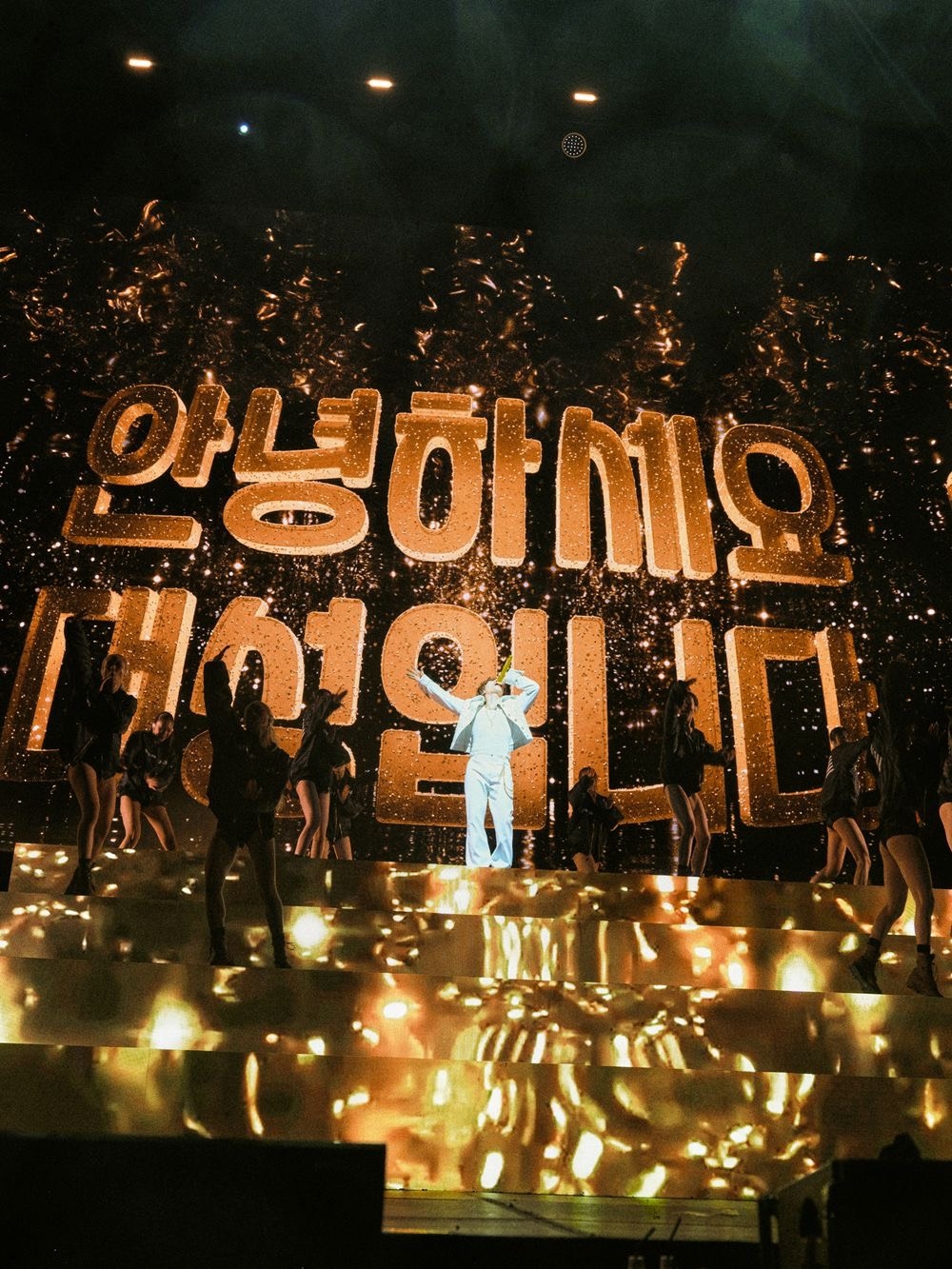
During the group’s 67-minute set at Coachella, Daesung took the stage following dynamic hip-hop and R&B performances by G-Dragon and Taeyang. In a striking contrast, Daesung opened his solo segment with spirited trot music, showcasing a bold and unexpected stylistic shift for a K-pop artist.
As his performance began, a prominent Korean subtitle reading “Hello, this is Daesung” appeared on the screen. Notably, the entire segment featured only Korean lyrics — including the catchy, repeated phrase “Look at me, Gwisun” — without English translation, transforming the stage backdrop into a vibrant cultural statement.
With his characteristically playful expressions and theatrical gestures, Daesung quickly transformed the venue into a festive, almost carnival-like atmosphere. He successfully engaged a diverse global audience with a unique genre deeply rooted in Korean tradition, making his trot performance a standout moment at Coachella.
His set provided a powerful contrast to the sleek, contemporary sounds delivered by his bandmates. Backed by a live band, Daesung showcased his powerful vocals, highlighting his signature bright and expressive tone, captivating the Coachella crowd with authentic Korean trot.
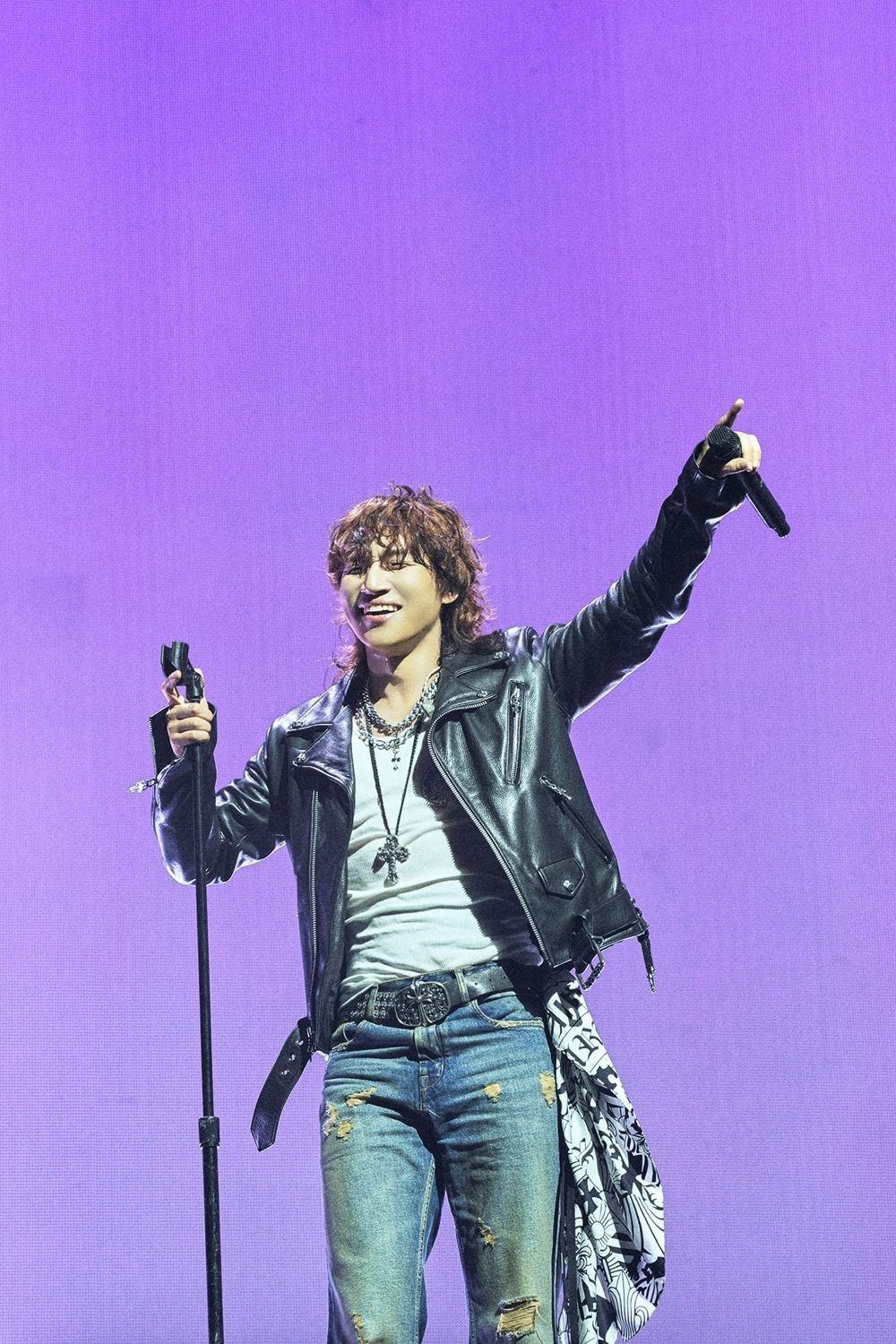
“Look at Me, Gwisun,” originally released in 2008, stands as one of Daesung’s signature solo trot tracks. The song ingeniously blends traditional trot elements with modern production, effectively challenging the genre’s long-held “old-fashioned” image and introducing it to new generations.
According to his agency, R&D Company, the innovative concept for Daesung’s Coachella performance was largely driven by the artist himself.
“Daesung personally wanted to present the Korean lyrics visually on stage, and the concept was developed through multiple revisions with the production team,” the agency stated. “It also reflected his deep desire to perform trot music, with the overall stage direction discussed extensively together with the Big Bang members.”
Music critic Lim Hee-yun suggested that Daesung’s trot performance at Coachella should be viewed within a broader context rather than merely as a novelty.
“For non-main stages at festivals like Coachella, the audience is largely made up of dedicated fans,” Lim noted. “In that sense, the specific trot performance itself may not inherently carry significant standalone meaning in the grand scheme.”
Instead, Lim urged a deeper examination of why major global festivals such as Coachella consistently continue to invite K-pop acts.
“It’s not just about trot being performed at Coachella,” he emphasized. “We should consider why Coachella invited Big Bang in the first place, and why legacy festivals persistently book K-pop artists. This trend could also reflect the festival’s current challenges, as K-pop acts are increasingly seen as a reliable way to secure large, engaged audiences.”
jaaykim