
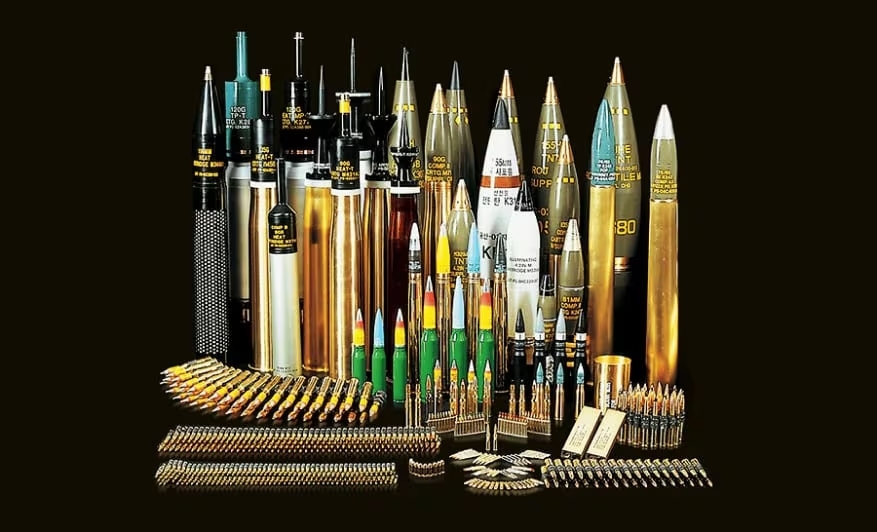
The anticipated acquisition of Poongsan Corporation’s lucrative ammunition unit by Hanwha Aerospace has officially collapsed, industry sources confirm. A significant pricing gap between the two major South Korean defense firms is cited as the primary reason for the failed deal, marking a notable development in the defense industry’s M&A landscape.
Hanwha Aerospace confirmed on Thursday its decision to “halt its acquisition review” of Poongsan’s ammunition division, following Poongsan’s earlier announcement to cease pursuing a sale. This confirms the conclusion of discussions that had explored various strategic business opportunities.
Valuation Gap Thwarts Ammunition Unit Sale
The breakdown of the deal comes after reports indicated Hanwha Aerospace had submitted a final bid for the highly sought-after Poongsan ammunition unit last week. Market analysts had estimated a 38 percent stake in the division could fetch approximately 1.5 trillion won (roughly $1 billion), suggesting a total enterprise value of around 3.8 trillion won. This valuation notably exceeded Poongsan’s overall market capitalization of about 2.8 trillion won.
Industry insiders consistently point to significant differences in valuation expectations as the primary obstacle. Poongsan Corporation was reportedly seeking a considerably higher price for its ammunition division, a key revenue driver responsible for over 70 percent of its operating profit. This misalignment proved too large to overcome, leading to the cancellation of the strategic acquisition.
Setback for Hanwha’s Vertical Integration Defense Strategy
The collapse of this high-profile acquisition represents a significant setback for Hanwha Aerospace’s ambitious strategy to build a vertically integrated defense portfolio. Hanwha has been actively working to expand its offerings beyond major platform sales, such as advanced self-propelled howitzers, aiming for a more comprehensive, bundled model that integrates complete weapons systems with essential ammunition supply.
This strategic integration was designed to secure a more stable and predictable revenue base for Hanwha. Unlike the often cyclical and contract-driven nature of large weapons sales, the demand for ammunition is consistently recurring once defense systems are deployed globally. The synergy from this acquisition would have bolstered Hanwha’s market position.
Had the deal successfully closed, experts anticipated a major shift in Hanwha’s global export strategy. The company was poised to transition towards offering attractive package-based solutions, bundling advanced defense equipment, munitions, and crucial long-term support. Such a comprehensive approach had the potential to substantially increase contract sizes and improve overall earnings visibility in the competitive global defense market.
Market Reacts to Acquisition Failure
In response to the news, shares of Poongsan Holdings experienced a sharp decline, closing at 46,450 won per share as of 3 p.m. Friday. This represented a significant drop of 13.56 percent from the previous day’s trading, reflecting investor disappointment over the failed strategic sale of its highly profitable ammunition division.
hyejin2


