In a strategic move to counter escalating semiconductor prices, South Korea’s finance ministry announced Thursday plans to significantly boost the reuse of computers from public agencies and enhance support programs targeting vulnerable populations.
This initiative forms a crucial part of comprehensive countermeasures unveiled at a high-level ministerial meeting, specifically aimed at stabilizing consumer prices. The move comes amidst a global surge in the cost of Dynamic Random Access Memory (DRAM), a fundamental component in both desktop and laptop computers.
Historically, the central government has managed outdated computer disposal through sales, donations, or scrapping. Notably, out of 22,000 computers disposed of last year, over half were scrapped. This occurred despite many of these devices being perfectly suitable for basic functions following minor repairs or maintenance, highlighting a past inefficiency in resource management.
Moving forward, the government intends to dramatically increase the proportion of these devices donated free of charge. This strategic shift will vigorously promote computer reuse across the nation and empower local governments to integrate these refurbished units more actively into programs designed to support vulnerable community members.
Furthermore, a significant expansion of the existing subsidy program for purchasing personal computers for students from low-income households is on the horizon. This enhancement will be funded through a supplementary budget anticipated to pass parliament later this month, directly addressing digital divide issues.
The ministry’s forecast indicates a sustained upward trend in the prices of conventional DRAM chips. This is largely attributed to semiconductor manufacturers increasingly prioritizing the production of High Bandwidth Memory (HBM) to meet the escalating demands of the artificial intelligence (AI) boom, diverting resources from standard DRAM production.
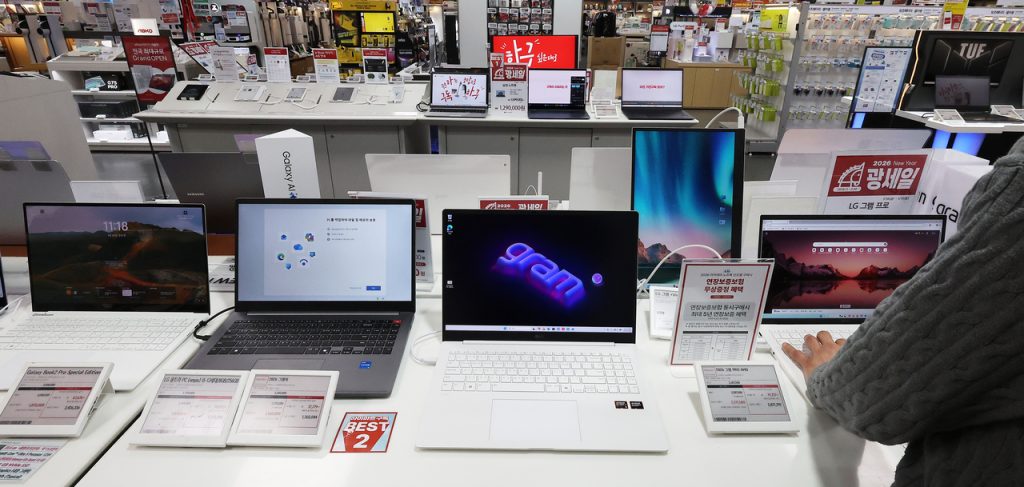
Indeed, industry data corroborates this market shift, revealing that prices for both desktop and laptop computers from leading manufacturers have already climbed by over 10 percent in just the past seven months, directly impacting consumers.