
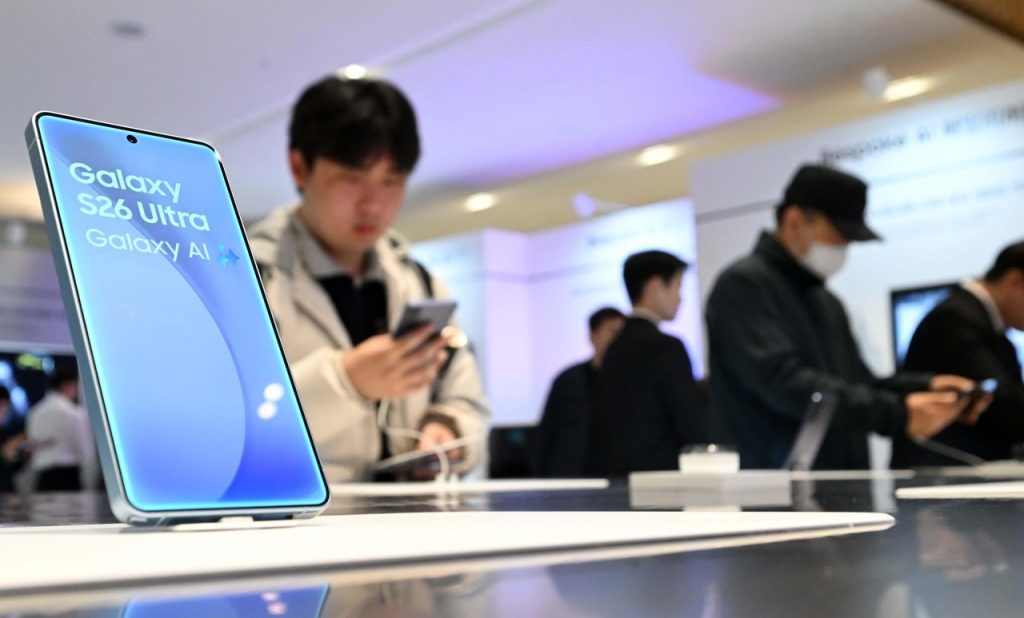
Despite record-breaking overall quarterly earnings for **Samsung Electronics**, industry analysts project a significant **profit decline** for its **smartphone division** in the **first quarter**. This unexpected dip comes as the mobile unit grapples with the surging **memory chip boom**, a phenomenon that ironically fueled the company’s unprecedented financial success in other sectors.
A recent consensus from eight leading brokerages, including Heungkuk Securities, Shinhan Investment, and KB Securities, indicates the **Mobile eXperience and Networks division** (MX) secured approximately **2.5 trillion won ($1.7 billion)** in **operating profit** during the **January-March period**. This figure highlights the challenges faced by **Samsung’s mobile business**.
Should these estimates hold true, this projected **Q1 profit** would mark a substantial **40 percent drop** from the **4.3 trillion won** reported in the same period last year. In contrast, the previous year saw **Galaxy S25 sales** significantly bolstering **Samsung’s overall operating profit**, representing 65 percent and navigating the company through a challenging chip-sector downturn. This underscores a significant shift in **Samsung’s smartphone division** performance.
Earlier this week, **Samsung Electronics** unveiled impressive preliminary consolidated figures: a robust **revenue of 133 trillion won** and a staggering **operating profit of 57.2 trillion won**. These figures represent year-on-year increases of 68 percent and an astounding 755 percent, respectively. Notably, this quarterly profit not only surpassed **Samsung’s full-year 2025 earnings** of 43.6 trillion won but also comfortably exceeded the analyst consensus of 38.1 trillion won compiled by FnGuide, showcasing the company’s strong performance outside the mobile sector.
Detailed **divisional results**, including specific **smartphone division earnings**, were not part of this preliminary filing but are anticipated to be released later this month, providing clearer insight into the performance of individual business units.
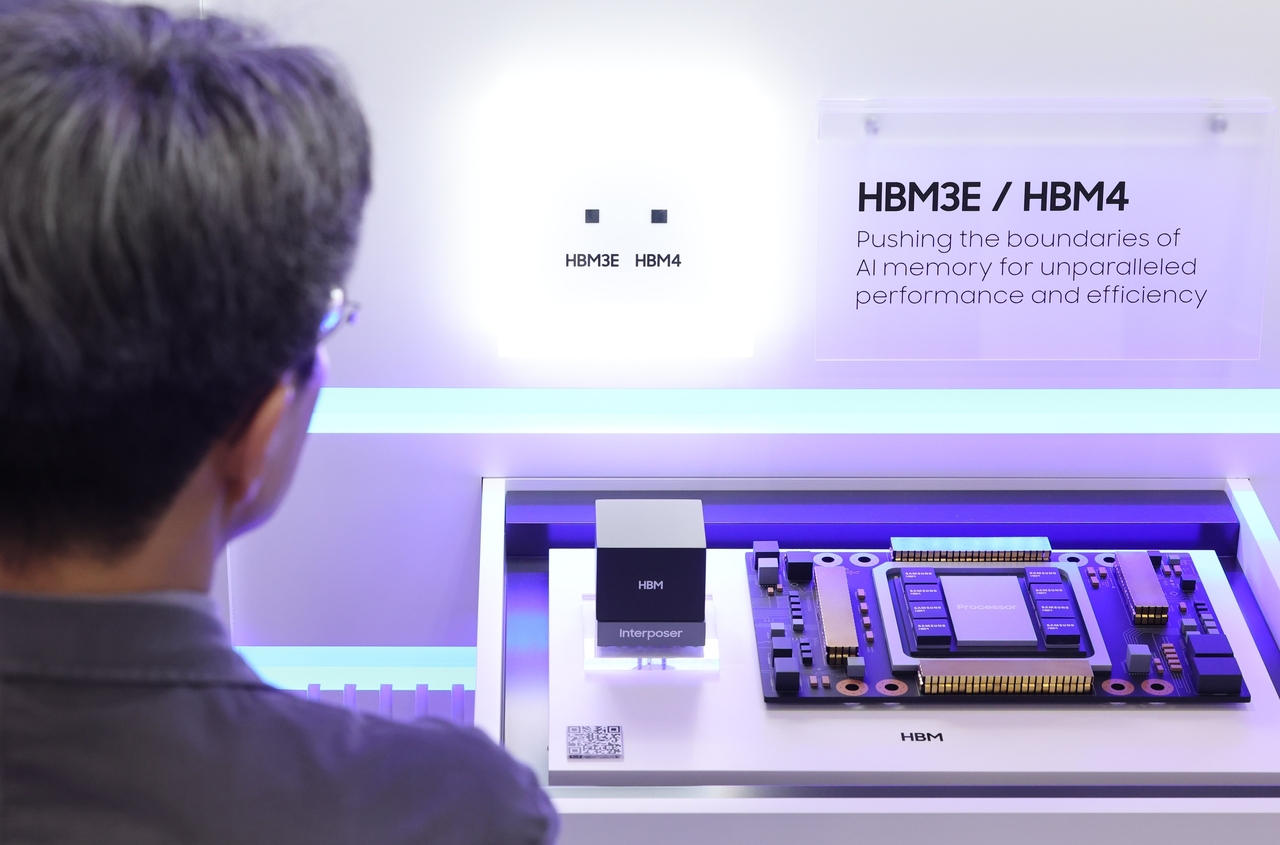
The anticipated struggles within the **Samsung mobile unit** are directly linked to the very forces propelling **Samsung’s overall record earnings**. Explosive demand from **Artificial Intelligence (AI) server buildouts** by leading cloud providers has created severe supply constraints for both **High-Bandwidth Memory (HBM)** and conventional **DRAM**. This intense demand has consequently driven **memory chip prices** sharply higher. Shinhan Investment’s analysis suggests **DRAM average selling prices** surged by 66 percent quarter-on-quarter in the first quarter. Given that **memory components** constitute a substantial portion of **smartphone production costs**, these escalating prices directly compress **handset profit margins** for **Samsung’s Galaxy devices**.
This cost pressure is poised to intensify further. Market research firm TrendForce forecasts that **conventional DRAM contract prices** will escalate by another 58 to 63 percent in the **second quarter**, while **NAND flash prices** are projected to surge by 70 to 75 percent. At the device manufacturing level, Counterpoint Research anticipates that **bill-of-materials (BOM) costs** for **premium flagship smartphone configurations** could increase by an additional **$100 to $150** by the second quarter, with **memory components** alone comprising over 40 percent of the total component expenditures. This directly impacts the **cost of manufacturing smartphones** like the **Galaxy S series**.
Compounding these challenges, Counterpoint also projects a **global smartphone shipments decline** of 12.4 percent this year, indicating a shrinking market amidst rising production costs for **major smartphone manufacturers**.
Evidently, **Samsung’s recent pricing actions** reflect the significant **cost pressure** the company is already facing. The newly launched **Galaxy S26**, released in March, carries a starting price of **$899.99 in the US**, marking a $100 increase over its predecessor for both the base and Plus models. Furthermore, **Samsung** implemented **price adjustments** this month on existing devices in the Korean market, including the popular **Galaxy Z Flip7** and **Galaxy Z Fold7**, with increases primarily targeting higher-storage configurations. These **smartphone price increases** are a direct response to the escalating **memory chip costs**.
However, not all **brokerage estimates** paint such a bleak picture. Kim Sun-woo, an analyst at Meritz Securities, projects the **Mobile eXperience and Networks division’s operating profit** for the quarter to be closer to **4 trillion won**. Kim attributes this more optimistic outlook to a favorable **product mix** driven by strong **flagship smartphone shipments** and the strategic utilization of **lower-cost memory inventory** acquired before the recent price surges. This suggests a nuanced view on **Samsung’s mobile profitability**.
Nonetheless, Kim cautioned that the comprehensive impact of these rapidly **rising memory costs** is expected to fully manifest within the division beginning in the **second quarter**, potentially affecting future **Samsung smartphone earnings**.
mjh


