
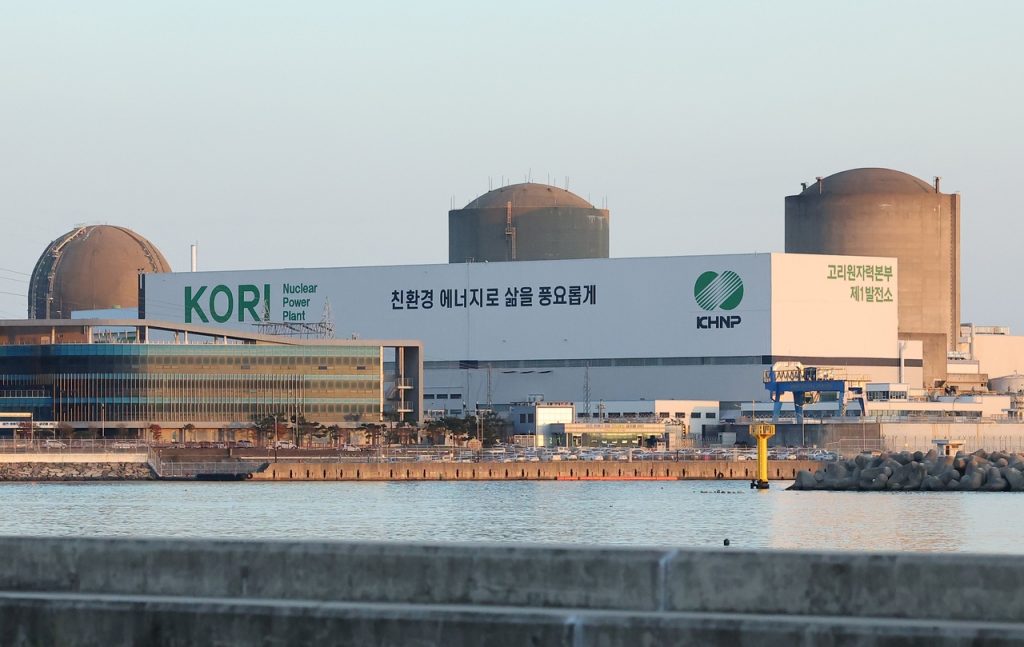
South Korea has successfully restarted its Kori-2 nuclear reactor on Saturday, concluding a three-year operational suspension. This significant period was dedicated to extensive safety checks and crucial facility improvements, as confirmed by the country’s nuclear reactor operator. The resumption of Kori-2 marks a key development for South Korea’s energy infrastructure.
The Kori-2 reactor, a pivotal component of the Kori Nuclear Power Plant located in Busan, approximately 325 kilometers southeast of Seoul, commenced its commercial operations in April 1983. Historically, it was South Korea’s third nuclear reactor to become operational, playing a vital role in the nation’s power generation capacity.
Its original 40-year operational permission expired in April 2023, leading to the mandatory suspension. This downtime was essential for conducting rigorous safety inspections and implementing necessary upgrades, all of which were prerequisite steps to ensure the facility’s continued safe and compliant operation before its eventual restart.


