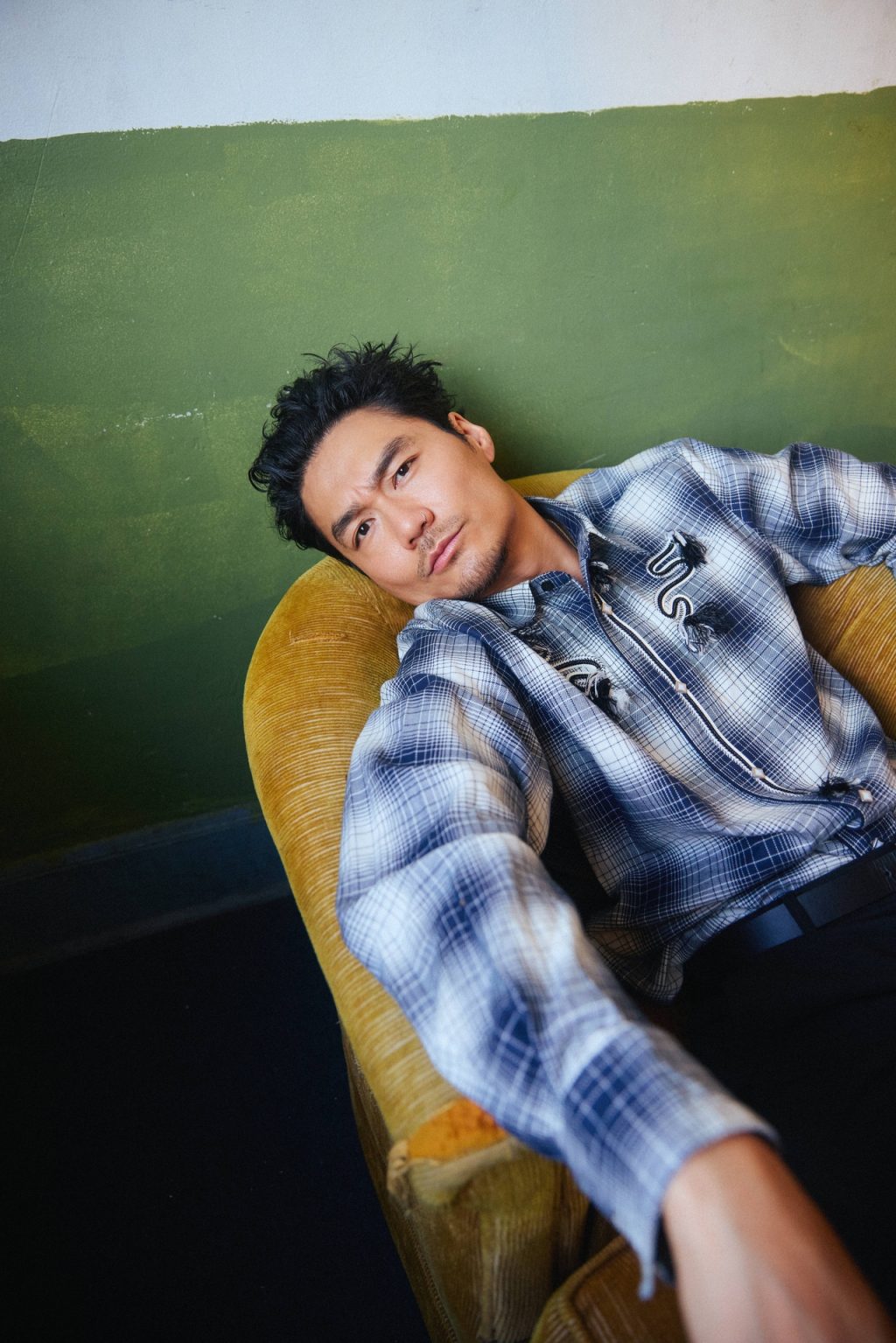
Korean American rapper Dumbfoundead argues diaspora voices expand — rather than dilute — the meaning of Korean culture
As Korean culture achieves global popularity, questions of identity and authenticity are increasingly relevant, especially for Korean American artists bridging both worlds. What does it mean to be Korean American in today’s globalized world?
For Jonnie Park, known as Dumbfoundead, the concept of being “between two worlds” is outdated. He offers a fresh perspective on Korean identity and cultural expression.
“Being Korean American means you’re 100 percent Korean and 100 percent American. It’s not 50-50,” he said.
Park challenges the idea that Korean Americans exist in a divided state, seeing their identity as an enrichment rather than a dilution. This viewpoint stems from his personal experiences.
His experiences are deeply embedded in Los Angeles’ Koreatown, where he was raised and still resides. Koreatown is a unique cultural hub in the US.
“Koreatown is very unique location. … It’s not really like America. It’s like this pocket of like a special area where you get like some wild Koreans but you’re mixed in with Latinos,” he said.
Park describes Koreatown as a distinct cultural ecosystem, not just a Korean enclave. Despite its Korean businesses, language, and identity, the area is primarily Latino, creating a hybrid space of intercultural exchange.
“Koreatown is not even majority Korean. It’s majority Latino … but you have a strong community of Koreans and identity,” he said.
Growing up there, Park never felt culturally conflicted. Instead, he identifies as a product of a third culture shaped by Koreatown’s diverse influences. Dumbfoundead provides a unique Korean American perspective.
“I think I’m more Koreatown than both of those,” he said, referring to Korea and the US.
Authenticity debate
This viewpoint influences his stance on the ongoing debates about authenticity, particularly as Korean culture expands globally. How do Korean American artists impact the perception of Korean culture?
The debate has grown around projects featuring Korean Americans, like Netflix’s 2025 animated series “KPop Demon Hunters,” criticized by some in Korea for not being “authentically Korean.”
Park strongly disagrees.
“I think it’s false, I actually think it’s more Korean than Korean. The global impact of it, everyone else thinks it’s Korean,” he said. “I think Koreans are mad that the biggest thing ever that’s Korean culture wasn’t directly from Korea.”
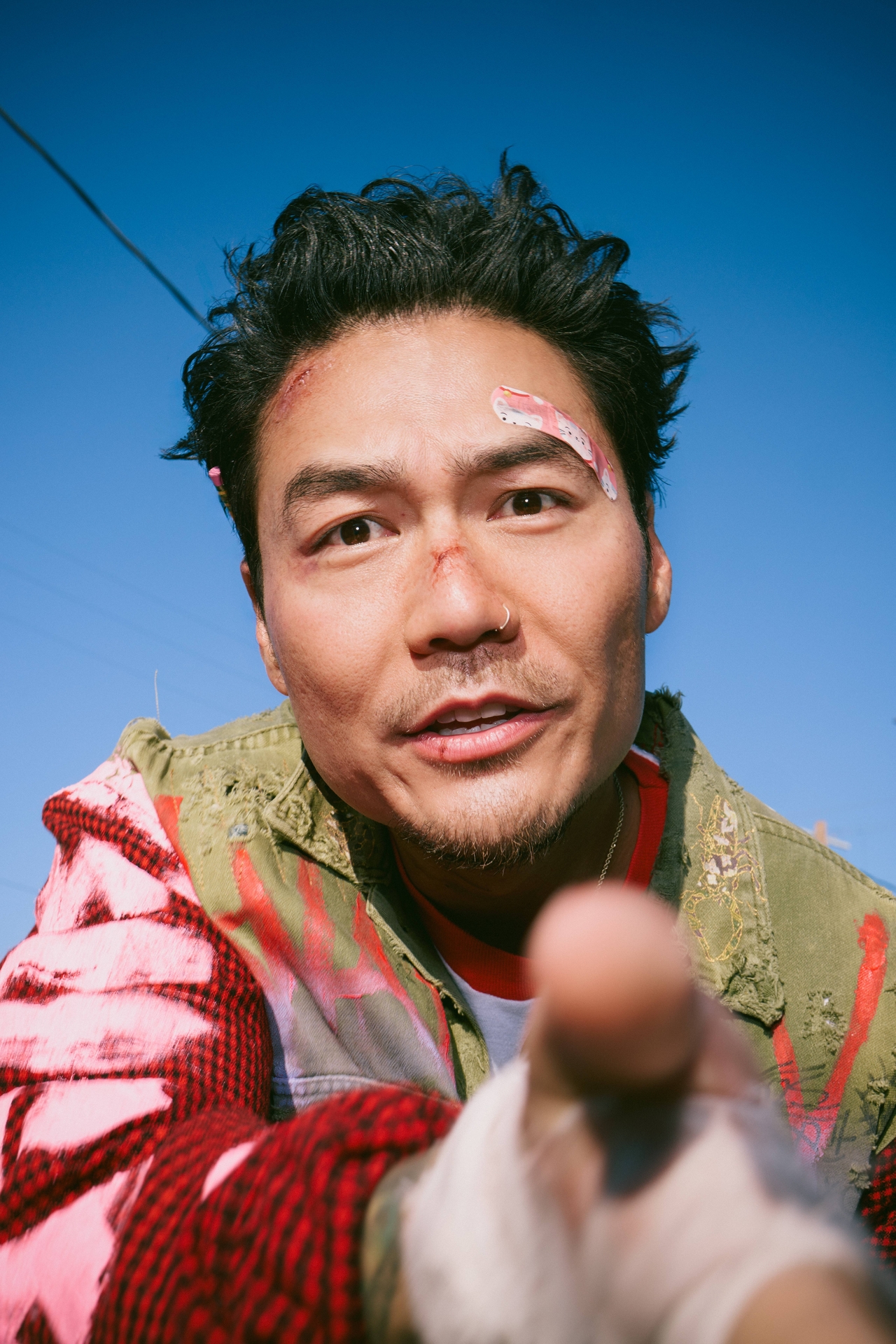
He suggests that this criticism might stem from underlying tensions when Korean American projects surpass domestic works in global recognition.
Rather than diluting it, Park argues that Korean American creators enrich Korean culture by offering perspectives that resonate with a wider global audience. What role do Korean Americans play in the globalization of Korean culture?
“Koreans would not want to make a cartoon with hanboks and ttokbokki. That had to have come from a Korean American because Koreans think that’s too corny to put in like a Korean animation,” he said.
Despite the rapid global expansion of Korean culture, Park believes certain barriers remain, particularly in K-pop’s engagement with the US mainstream. How can K-pop artists achieve deeper integration with the US market?
He believes Korean artists need better media training and often avoid speaking candidly in interviews.
“I think Korean pop stars or Korean figures need to be more media trained. They’re not willing to talk,” he said.
This reluctance extends to addressing social and political issues in the US, which he sees as vital for artists aiming for deeper cultural integration. How important is it for K-pop artists to engage with American social and political issues?
“If you’re going to involve yourself with American culture, you have to be willing to talk about American politics or any kind of American stuff,” he said.
He notes that American audiences are shaped by diverse racial and cultural dynamics, and ignoring these realities can hinder meaningful connection. Dumbfoundead emphasizes the importance of cultural awareness.
“Your fan base is Black, your fan base is Latino, your fan base is white. If you don’t talk about it, that’s the only thing I think holding back Koreans,” he said.
jaaykim