Minister Park Hong-keun pledges swift extra budget, long-term planning and backing for future industries
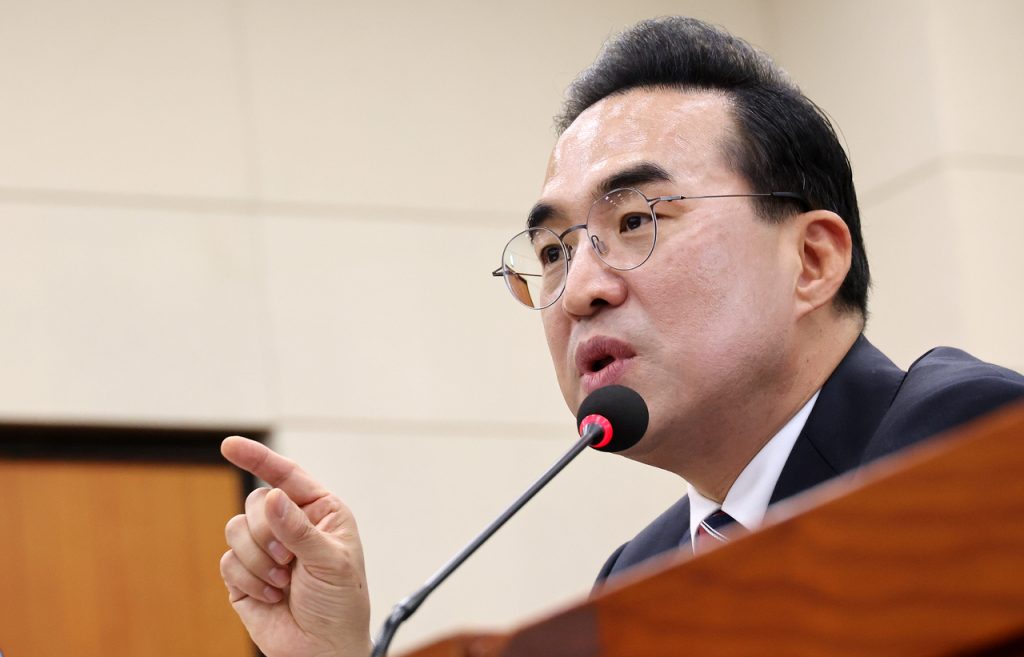
South Korea’s new Planning and Budget Minister, Park Hong-keun, on Wednesday positioned the newly established ministry as a central “control tower” for national strategy and fiscal policy. He committed to more proactive government spending to bolster livelihoods and support emerging industries, while integrating long-term objectives more closely with annual budgetary allocations.
“In times of crisis, we need a robust control tower that can anticipate future challenges, strategically allocate resources, and generate value for the nation as a whole,” Park stated during his inaugural address. “This is precisely the purpose of the Planning Ministry.”
Park’s appointment marks the return of a dedicated budget minister in South Korea after 18 years, as the government recently re-established the ministry by separating economic policymaking from budget planning.
A seasoned four-term legislator, Park is widely recognized as an expert in policy and budget matters within the parliament. He previously presided over the National Assembly’s Special Committee on Budget and Accounts and later served as the floor leader for the Democratic Party of Korea, where he oversaw crucial budget and legislative negotiations.
Park emphasized the ministry’s crucial role in shaping the country’s long-term direction, particularly as Korea confronts a confluence of structural challenges, including demographic shifts, climate change risks, growing inequality, regional decline, and the disruptive impact of artificial intelligence.
“Through diligent planning that identifies even the subtle indicators of structural crises, the ministry will spearhead a national future strategy capable of fundamentally reshaping Korea’s foundations,” he asserted.
He pledged to develop a comprehensive 20- to 30-year national blueprint, characterizing it as the “firm roots” of the country’s future prosperity. These plans, he added, would be organically linked to five-year state agendas, medium-term fiscal plans, and annual budgets, ensuring that long-term goals are effectively incorporated into spending priorities.
The budget minister’s fiscal stance suggests an expansionary approach, aligning with President Lee Jae Myung’s administration’s broader policy orientation. He articulated a concept of “sustainable active fiscal policy,” arguing that government spending should foster a positive cycle in which economic growth expands the revenue base.
Park also indicated the imminent release of a supplementary budget. “We will promptly prepare and submit a supplementary budget bill to the National Assembly to alleviate the burden on ordinary citizens facing high oil prices,” he stated, while highlighting support for small business owners and young people as immediate spending priorities.
Looking ahead, Park pledged ongoing support for strategic industries, including AI, semiconductors, and biotechnology, alongside strengthening social safety nets.
jwc