Shareholders Back Choi Yun-beom Over MBK-Young Poong in Korea Zinc Proxy Fight, but Rival Bloc Gains Seat
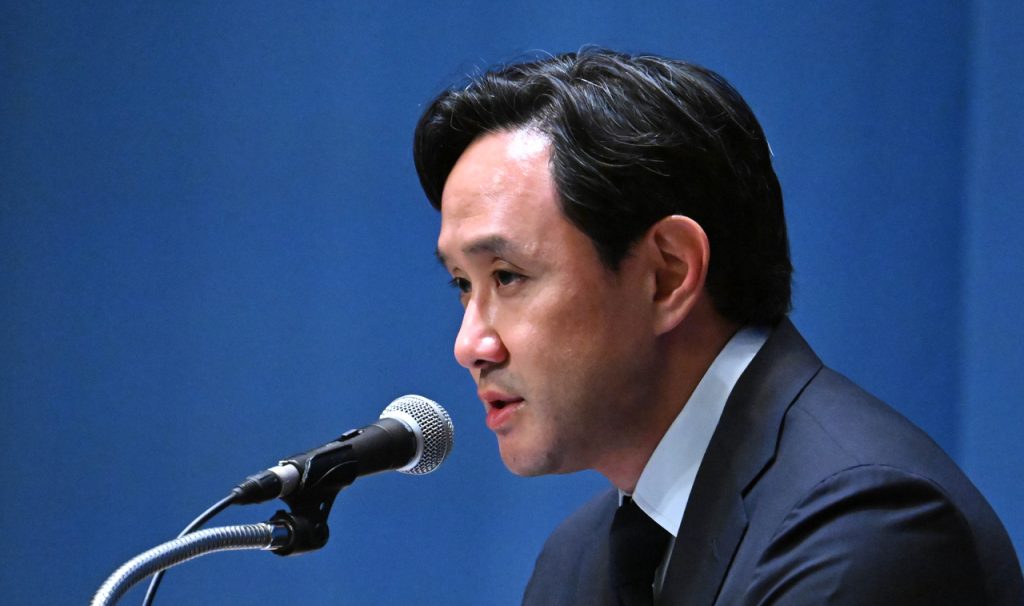
Korea Zinc Chair Choi Yun-beom has been reelected to the board, successfully defending his management control in a proxy battle against major shareholder Young Poong and private equity firm MBK Partners.
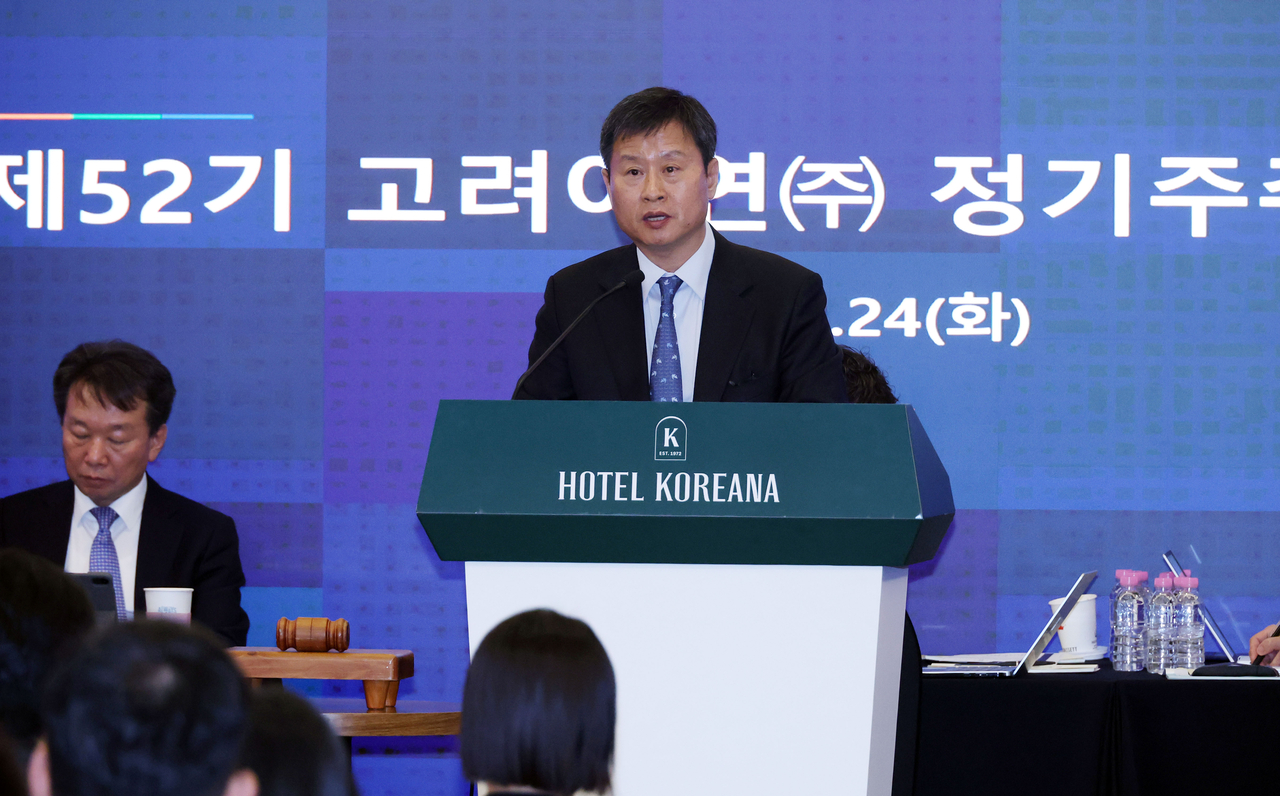
At the annual general meeting in Seoul, shareholders voted to reappoint Choi as an inside director of Korea Zinc, the world’s largest zinc smelter. Choi’s camp also secured the appointment of five new directors, defeating the rival Young Poong-MBK faction’s proposal for six directors, solidifying Choi’s position on the board.
The five elected directors, ranked by votes received, were Walter Field Mclallen (backed by Crucible JV, a Korea Zinc-US government joint venture for a planned US smelter) with approximately 15.61 million votes, Choi Yun-beom with 15.60 million votes, Hwang Deok-nam, Choi Yeon-seok, and Lee Sung-sook.
The board now comprises 14 members, with nine aligned with Choi and five representing the MBK-Young Poong alliance, indicating a shifting power dynamic within Korea Zinc.
While Choi defended his board dominance, the rival bloc’s increased representation from four to five directors suggests heightened internal oversight and potential dissent.
This high-stakes meeting is the latest development in a governance dispute that began in late 2024, when the Young Poong-MBK alliance launched a tender offer, seeking greater control and accusing Choi of “poor corporate governance.”
The Young Poong-MBK faction controls about 41.1 percent of shares, while Choi and allies hold 37.9 percent, a slim margin of about 3 percentage points.
Despite this numerical disadvantage, Choi’s camp leveraged Korea’s cumulative voting system, allowing concentrated votes for specific candidates by allocating multiple votes per share based on the number of board seats.
Board appointments were fiercely debated, as they could significantly impact Korea Zinc’s governance and strategy.
Shareholder deliberations became heated, requiring the meeting chair to repeatedly call for order. Prior to the meeting, both sides actively courted institutional investors and launched campaigns against each other.
The shareholder meeting, delayed three hours due to disputes over duplicate proxy submissions, highlighted the intense voting competition.
Outside the venue, the Korea Zinc labor union protested MBK Partners’ involvement.
Choi’s reelection faced headwinds after the National Pension Service (5.2 percent stake) abstained and the California Public Employees’ Retirement System voted against him.
Shareholders approved company-proposed resolutions including minority shareholder protections, electronic shareholder meetings, independent director requirements, fiduciary duty clarifications, quarterly dividend resources, and reinforcing the 3 percent rule for audit committee appointments.
Shareholders rejected nearly all MBK Partners-Young Poong proposals, except for strengthened board meeting procedures. Directors must now be notified three days in advance, up from one day.
A proposal by Yumi Development (aligned with Choi) to expand the number of separately elected audit committee members from one to two failed to pass.
This measure aimed to align with revisions to the Commercial Act ahead of a September implementation.
The MBK-Young Poong alliance questioned the urgency, while Korea Zinc cited the need to avoid extra meeting costs and burdens.
This failure requires Korea Zinc to pursue a separate process to appoint an additional audit committee member before September, likely leading to further shareholder conflict.
While solidifying Choi’s leadership, the management battle appears ongoing, with the MBK-Young Poong faction expected to continue seeking influence.
sahn