
Samsung, SK hynix hold months of inventory, but prolonged disruptions risk supply, costs
Rising geopolitical tensions involving Iran are creating significant concerns for global semiconductor supply chains, potentially disrupting the flow of critical industrial gases like helium and bromine and posing challenges for South Korean chip manufacturers.
Samsung Electronics and SK hynix, two of the world’s leading memory chip producers, report having sufficient helium reserves to withstand several months of supply interruptions. However, industry experts caution that an extended crisis could lead to a tightening of supply and increased costs, given the industry’s substantial reliance on the Middle East.
“These materials are not something you can stockpile indefinitely,” stated an industry official. “The industry can hold out for a few months, but beyond that, risks rise sharply.”
Helium, a byproduct of liquefied natural gas (LNG) production, plays a vital role in cooling wafers and eliminating impurities during chip manufacturing. Qatar is a major helium supplier, accounting for approximately 30 percent of global helium production, making it a critical resource.
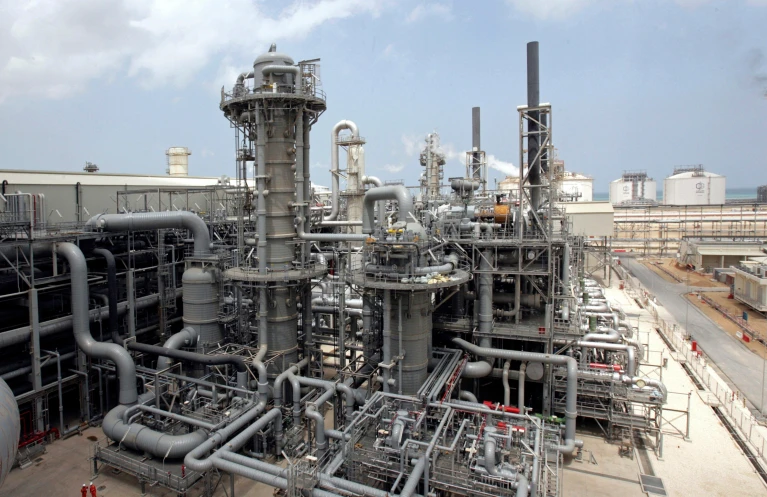
Recent disruptions impacting operations at QatarEnergy’s Ras Laffan Industrial City, the world’s largest LNG export hub, have resulted in production halts and supply constraints. The effective blockage of the Strait of Hormuz further intensifies pressure on prices.
Spot helium prices have reportedly surged between 40 percent and 100 percent in certain regions, based on industry assessments and analysis from Bank of America. Analysts predict potential price increases of an additional 25 to 50 percent should these disruptions persist for two to three months.
Data from the Korea International Trade Association indicates that Korean manufacturers sourced 64.7 percent of their helium from Qatar in 2025. While companies are utilizing existing inventories and recycling initiatives to mitigate the impact, these measures offer only partial relief.
“Recycling can cover only about 20 percent of total demand,” another industry official noted. “If disruptions are prolonged, a stable supply cannot be guaranteed.”
Diversification efforts are underway to explore alternative sourcing options, including suppliers in the US and New Zealand. However, semiconductor-grade gases demand rigorous qualification processes that can extend over months, limiting the industry’s agility in quickly switching suppliers.
The potential impacts extend beyond helium. The price of bromine, used in etching processes and as a flame retardant, has spiked to over $12,000 per metric ton, roughly double the typical price range.
ICL, an Israel-based company, controls roughly 40 percent of the global bromine supply, making the market particularly vulnerable to geopolitical uncertainties. Korean chipmakers depend on Israel for almost all of their bromine imports, with limited inventories due to the material’s toxicity, typically covering up to six months of supply.
Tungsten supplies are also becoming increasingly constrained. According to the Korea Mine Rehabilitation and Mineral Resources Corp., the price of Chinese tungsten oxide reached $227.47 per kilogram as of Thursday, March , marking an increase of over 24 percent from $183.06 in late February, prior to the escalation of tensions.
Tungsten is crucial for forming microscopic circuits within semiconductors. Its high conductivity makes it a key component in NAND flash memory production – a core business area for Samsung Electronics and SK hynix – where tungsten hexafluoride gas is extensively utilized.


