
Seven bandmates reunite to breathe new life into K-pop — and write its new chapter
The highly anticipated return of BTS on Friday marks a pivotal moment for K-pop, solidifying its already significant global reach and signaling a new era for the genre.
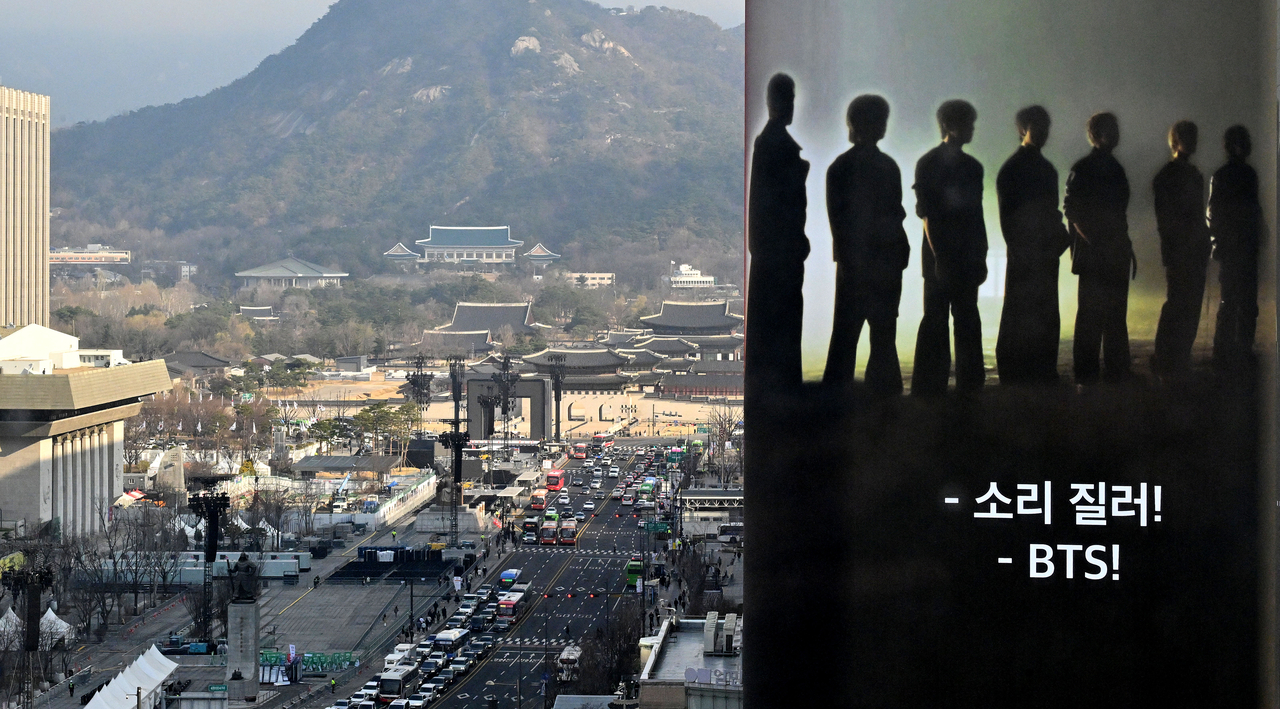
On Saturday, the iconic seven-member group will grace the stage together for the first time in nearly four years. The comeback concert, held at the historic Gwanghwamun Square in central Seoul, is projected to attract an estimated 260,000 devoted fans from all corners of the globe, demonstrating the group’s unwavering influence even during their hiatus.
BTS’ temporary break for military service has done little to hinder the continuous growth of K-pop. Rising stars like Stray Kids and NewJeans have expanded the genre’s presence across North America and Europe, while the accessibility of Korean music has been enhanced through various streaming platforms. Nevertheless, BTS remains a central figure in the global K-pop phenomenon — a group that redefined the boundaries of K-pop’s potential.
Their comeback coincides with an increasing global fascination with South Korean culture. The Oscar-winning triumph of “Parasite” in 2020 and the worldwide sensation of “Squid Game,” released in 2021, were watershed moments, establishing a connection between global audiences and Korean storytelling. More recently, “KPop Demon Hunters” — which won two Oscars on Sunday — reinforced the global appetite for Korean narratives.
The selection of Gwanghwamun Square as the location for BTS’ highly-anticipated return underscores the convergence of pop culture and national heritage. By setting the performance against the backdrop of the iconic Gyeongbokgung Palace, BTS’s return aligns with a broader national narrative. Museums and historical sites have introduced themed merchandise and special exhibits, preparing for an influx of visitors drawn equally by South Korea’s rich history and its captivating music.
The economic impact is already apparent. Experts predict that BTS’ comeback single “Arirang” will generate approximately 2.9 trillion won ($2.2 billion) in revenue through album sales, tours, and merchandise. Considering tourism and associated expenditures, the total economic effect could surpass 3 trillion won.
For the legions of fans worldwide, the March 21 concert is much more than just a show; it represents a long-awaited and deeply cherished reunion. For the K-pop industry, it is a momentous occasion that has the potential to redefine the global perception of pop music.
In the K-pop landscape that they significantly influenced, BTS’ return signifies not just a comeback, but a grand celebration that emphasizes the remarkable growth of K-pop and hints at its exciting future.
The Korea Herald has prepared a 12-page special edition dedicated to marking the group’s return — a moment that not only indicates a new chapter for BTS but also serves as a tribute to the fans around the globe who have played an integral role in K-pop’s ongoing global dominance.

christory