AI Demand Fuels Memory Chip Shortage: Why Samsung and SK Hynix Remain Cautious
The world is facing an unprecedented demand for memory chips.
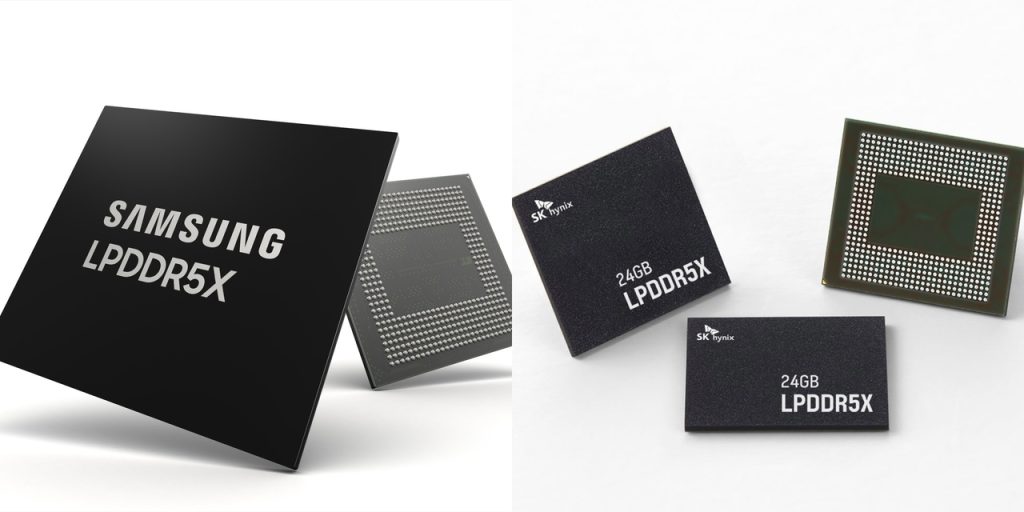
The surge in artificial intelligence (AI) data centers is driving a massive increase in DRAM consumption, leading to higher prices and supply constraints across various devices, including smartphones and laptops. Samsung Electronics and SK hynix, key players in the global memory market, reported a combined operating profit of over 72.1 trillion won ($48.7 billion) last year, reflecting this boom.
Despite these profits, the shortage persists.
A crucial question arises: With soaring demand and profits, why aren’t these companies simply increasing chip production?
The answer is twofold. First, expanding production capacity is a time-consuming process. Second, both Samsung and SK hynix are proceeding with caution after experiencing a severe industry downturn just two years ago.
Increased Memory Production is Coming – But Focused on Specific Needs
The “cannot” aspect stems from the lengthy construction timeline for semiconductor fabs, which typically takes around three years. Accelerating this process is impossible due to the inherent complexities of concrete pouring, clean room construction, and equipment installation. Moreover, converting existing production lines to manufacture newer chip designs involves months of equipment reconfiguration and yield stabilization, potentially causing a temporary dip in output.
Adding to the challenge is the disparity between production growth and demand. According to Clark Tseng, senior director of market intelligence at SEMI, the global semiconductor industry association, worldwide DRAM production capacity is projected to grow by only about 4.8 percent annually through 2030. In contrast, AI infrastructure spending by the four largest cloud providers is expected to grow by roughly 38 percent annually through 2028.
“The factories are not standing still,” Tseng said. “They are just scaling far more slowly than the demand chasing them.”
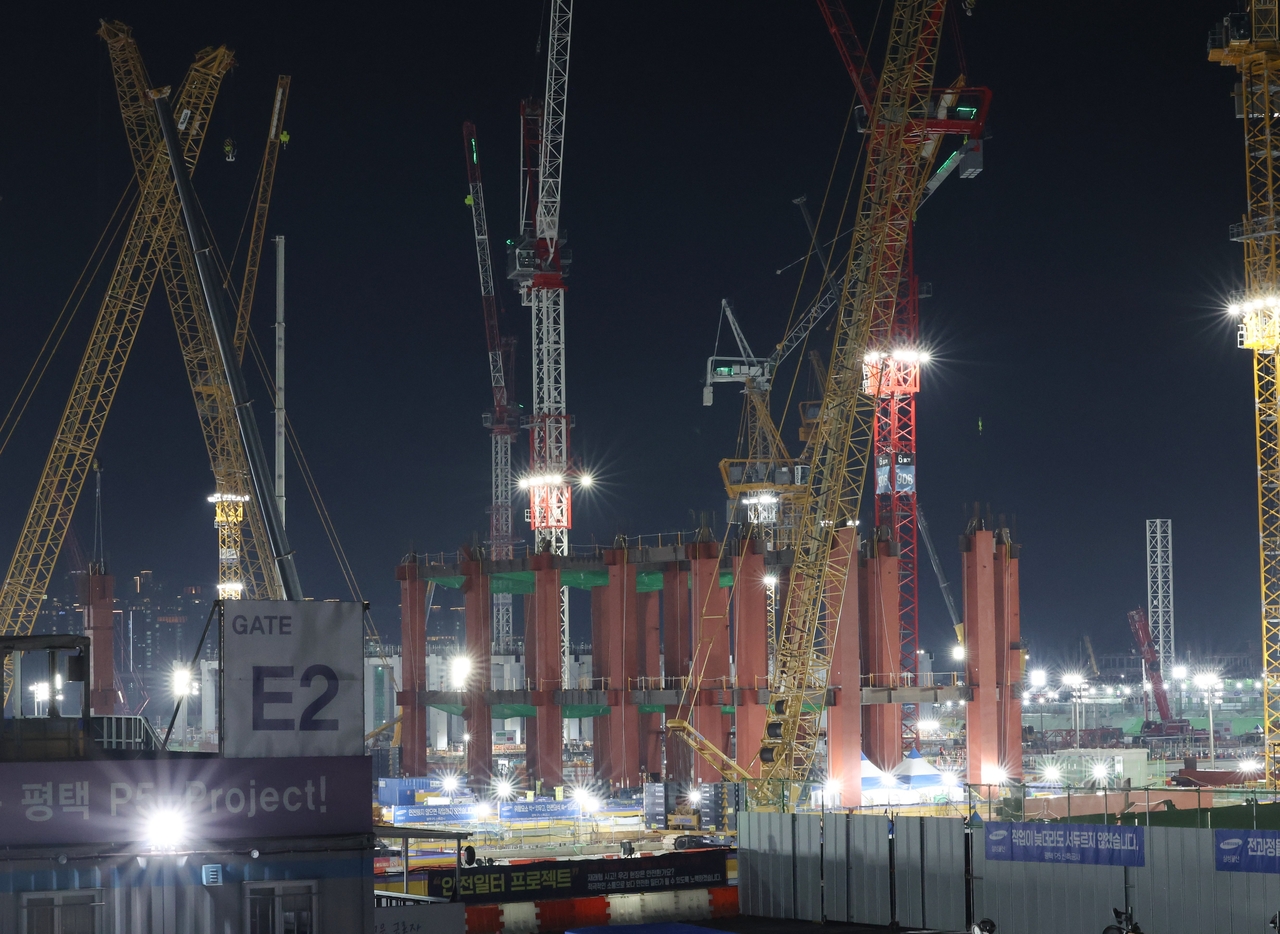
The situation is further complicated by the type of memory being prioritized. Samsung is reportedly adding DRAM lines at its Pyeongtaek plant in Gyeonggi Province, potentially increasing output by up to 120,000 wafers per month by early 2027. While significant, these lines are geared towards HBM4, the next generation of high-bandwidth memory designed for AI accelerators, rather than the DDR5 commonly used in laptops.
The company has also resumed construction of a large-scale fab nearby, but it will be years before this project yields any chips.
According to an industry insider, both Korean chipmakers are operating their existing factories at maximum capacity, and substantial relief hinges on the completion of entirely new facilities, which requires considerable time.
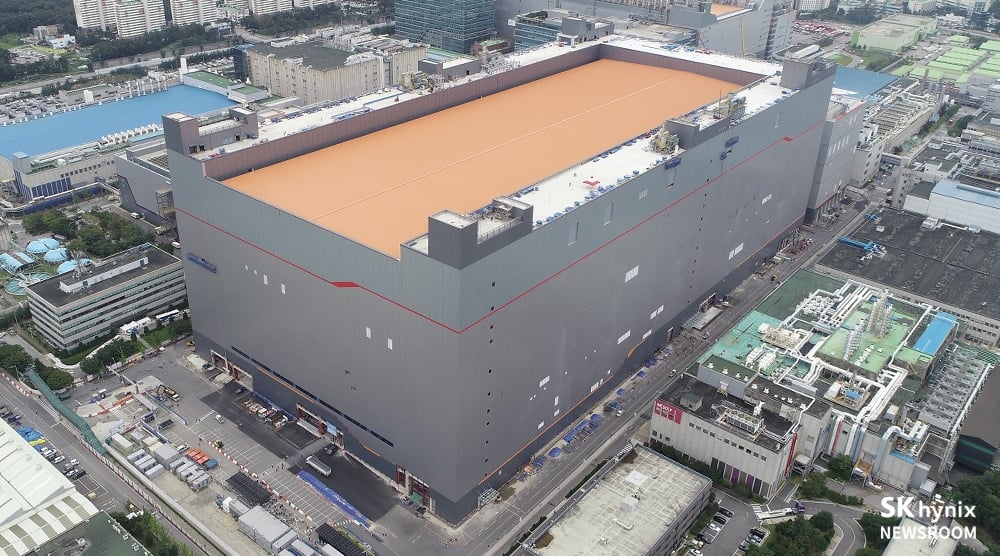
SK hynix has been even clearer about its strategic priorities, outlining a “dual-track” approach. This involves expanding capacity on its 1b process at the new M15X facility in Cheongju, North Chungcheong Province, to cater to the growing HBM demand. Simultaneously, the company is converting older lines at its M16 facility in Icheon to the newer 1c process.
However, the 1c push is not focused on commodity chips. The company is directing this capacity towards higher-value products such as server DDR5 and GDDR7 graphics memory – segments with considerably stronger profit margins than standard mobile or PC DRAM. Thus, even outside of HBM, new capacity is being allocated to premium customers.
Linda Sui, founder and principal analyst at Smart Analytics Global, estimates that SK hynix dedicated over 20 percent of its DRAM capacity to HBM in 2025, with Samsung at a similar level. Both companies are projected to increase these ratios further this year.
Learning from the Past: Restraint as a Strategy
This leads to the “will not” aspect of the equation.
In 2023, the semiconductor divisions of Samsung and SK hynix collectively lost 22 trillion won after overproduction during the pandemic collided with a sharp decline in demand. This experience served as a costly reminder that excessive capacity arriving at the wrong time can erode profit margins just as quickly as scarcity can create them.
Sui believes the current situation is influenced by both factors. The shortage is “largely due to real capacity limits from the AI booming demand on HBM chipsets,” she told The Korea Herald, adding that “a rational profit strategy also plays a role.”
Timing is the crucial factor. “A more aggressive expansion of let’s say, 15 to 20 percent might not immediately crash prices in today’s constrained market,” Sui said. The real danger lies in the future. “If manufacturers aggressively expand manufacture capacity right now, they might face an oversupply scenario in 2028,” she cautioned, as AI spending begins to normalize.
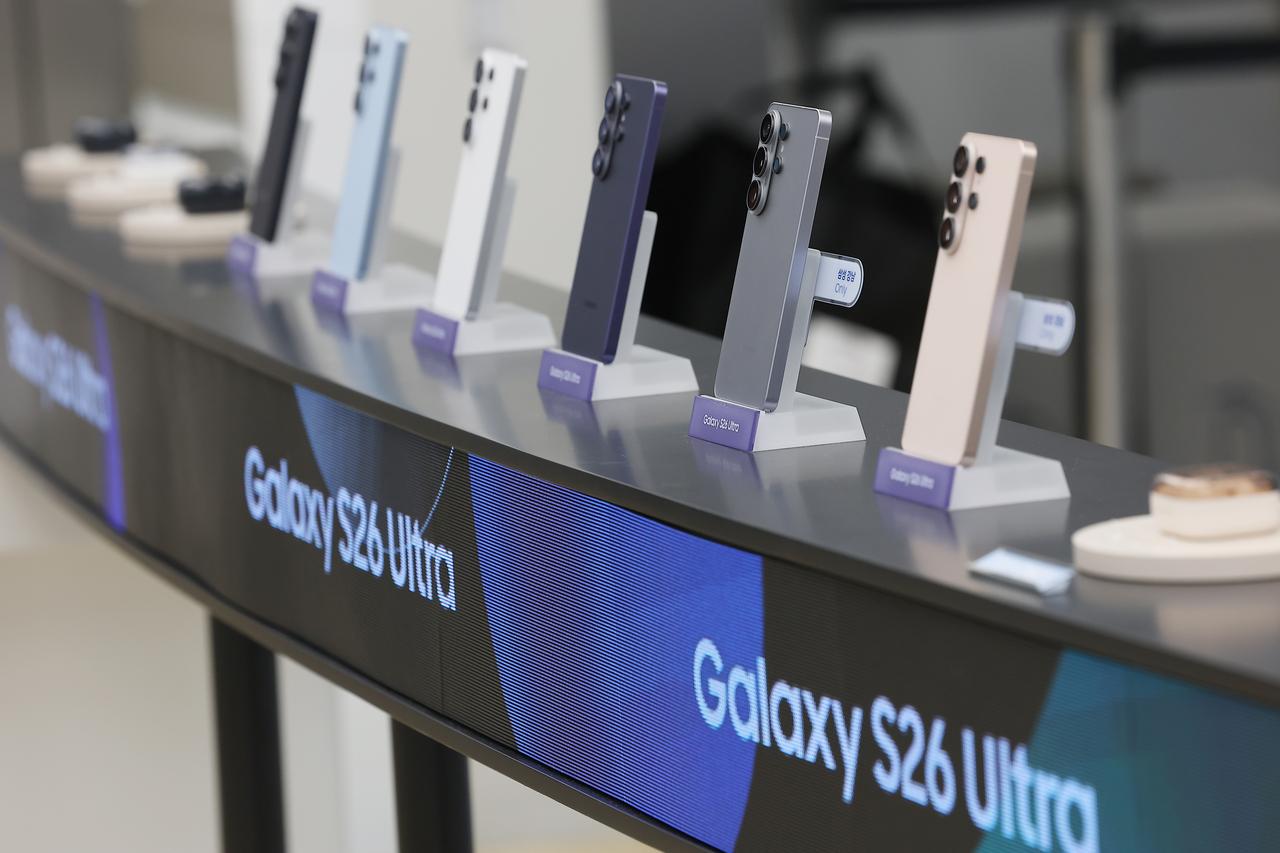
The effects are already being felt downstream. Qualcomm CEO Cristiano Amon stated in February that “industrywide memory shortage and price increases are likely to define the overall scale of the handset industry” this year. IDC now projects global smartphone shipments to decrease by 12.9 percent in 2026 and PC shipments by 11.3 percent, although revenues are expected to hold up relatively better as higher memory costs drive up average selling prices. Samsung reportedly doubled its commodity DRAM contract prices in the first quarter alone.
Both Samsung Electronics and SK hynix declined to comment on their specific production plans.
Sui anticipates that the market will reach a new equilibrium by late 2027. Until then, the Korean memory giants are expanding their capacity under the constraints of both the time required to build new facilities and the hard-won understanding that not every shortage warrants flooding the market with new supply.
mjh