Following failed Norang Tongdak acquisition, Filipino food giant moves ahead with Compose Coffee, Shabu All Day deals
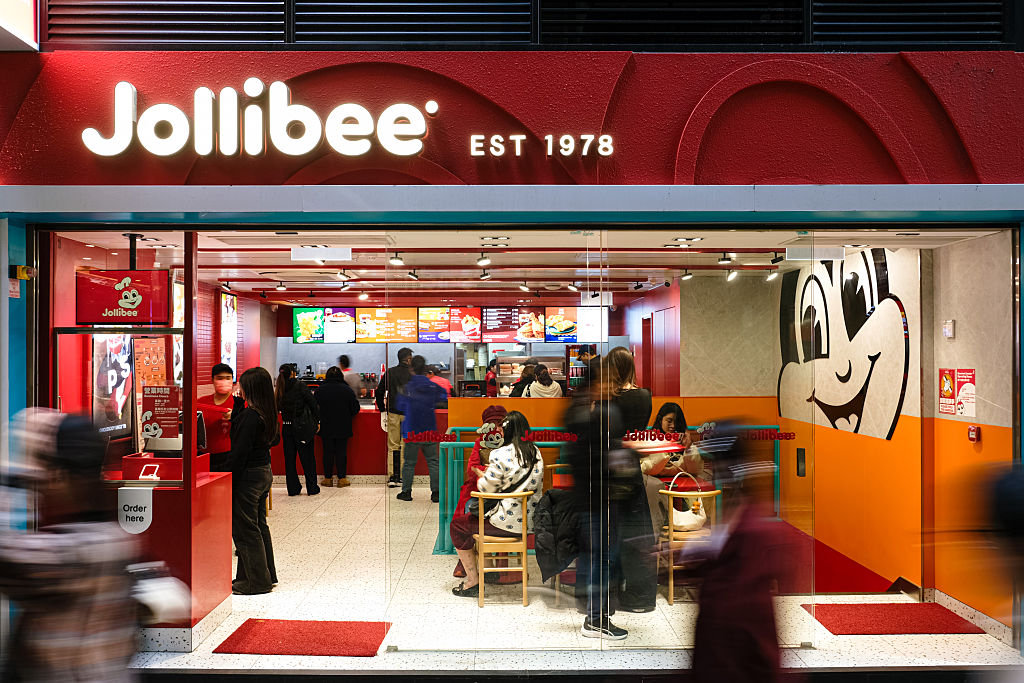
Jollibee Foods Corp., the Filipino fast-food giant renowned for its namesake brand, is expanding its global footprint with a strategic move into South Korea. The company recently acquired a hot pot restaurant chain, a decision seemingly aimed at attracting Wall Street’s attention and facilitating international growth.
On February 20th, Jollibee announced an agreement to acquire All Day Fresh, the operator of the popular hot-pot chain Shabu All Day, for $87 million. The acquisition was made through its Korean subsidiary, Jolli-K Co., in partnership with private equity firm Elevation Equity Partners. Jollibee will hold a 70% stake in the venture, while Elevation Equity Partners will retain the remaining 30%.
Established in 2023, Shabu All Day has rapidly become a leader in the Korean hot pot market, boasting 170 locations across the country. In 2024, the chain generated a substantial revenue of 54 billion won ($38 million).
This acquisition will further diversify Jollibee’s portfolio, which already includes 19 food and beverage brands, including the flagship Jollibee chain. Together, these brands operate over 10,000 stores in 33 countries.
“With Compose Coffee and now Shabu All Day, Jollibee Group continues to demonstrate its strengthened ability to acquire high quality, profitable businesses that align squarely with our strategic pillars and deliver meaningful long‑term value to our shareholders,” stated Jollibee Chair Tony Tan Caktiong.
He further emphasized that the investment reflects the group’s “disciplined approach to capital allocation,” focusing on brands that are scalable and financially accretive.
This acquisition follows Jollibee’s earlier purchase of a 70% stake in Korean cafe franchise Compose Coffee for $238 million in 2024. Jollibee has described Compose Coffee as a brand “on track to becoming the largest, fastest-growing and leading value coffee player in South Korea,” with over 3,100 stores nationwide.

Jollibee Foods buys 70 percent of Compose Coffee for $238m
Jollibee’s expansion into the Korean market nearly included the acquisition of chicken franchise Norang Tongdak last year, but negotiations ultimately fell through due to valuation disagreements.
Korean food concepts are now set to make their debut in the Philippines. Compose Coffee is scheduled to launch this year under a master franchise agreement, with hot pot dining expected to follow. This strategy suggests a potential expansion beyond Asia.
“Jollibee’s successive acquisitions of Korean restaurant brands go beyond simple investment,” noted an industry official. “The company appears to be securing brands with global scalability and using them as a springboard to expand into Southeast Asia and other overseas markets to raise corporate value.”
Jollibee’s growing K-food portfolio aligns with its plans for a US listing of its international business by 2027, as revealed in January. The Philippine business will remain listed on the Philippine Stock Exchange.
“The US capital markets have deep investor-based experience in valuing global consumer and restaurant growth companies,” explained Jollibee Group International CEO Richard Shin during a recent media roundtable. He added that the group’s international business is prepared to operate as an independent entity.
Industry observers believe this strategy is further supported by the increasing global popularity of Korean food brands, which could contribute to financial stability while providing operational expertise gained in one of Asia’s most competitive restaurant markets.
In the October-December period, Jollibee Foods Corp. achieved its strongest quarterly performance, with systemwide sales increasing by 12% year-on-year to a record 122.3 billion Philippine pesos ($2.2 billion).
The company’s business grew by 9.7%, while international operations saw a rise of 15.4%, driven by a 24.2% growth at Compose Coffee. Jollibee expects its recent acquisition of Shabu All Day to boost revenue by approximately 2% and increase the international division’s contribution to total global revenue to roughly 46%.