
Mistaken Credits Briefly Sent Bitcoin Prices Plunging on Korea’s No. 2 Crypto Exchange
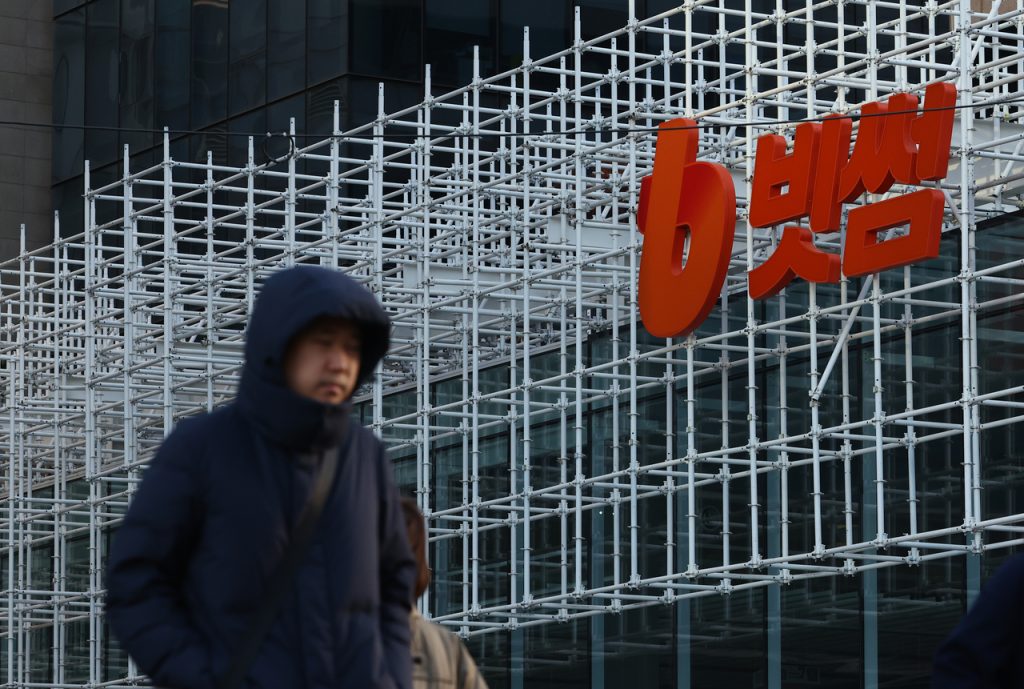
Bithumb, South Korea’s second-largest cryptocurrency exchange by trading volume, faced a crisis over the weekend after a staff error resulted in the creation of 620,000 “ghost bitcoins” on its internal ledger – approximately 3 percent of the total global bitcoin supply.
The incident occurred around 7 p.m. Friday when Bithumb mistakenly distributed 620,000 bitcoins to users during a promotion.
The error stemmed from an employee entering bitcoin as the reward unit instead of Korean won. What was intended as a 620,000 KRW marketing campaign became a 60.5 trillion KRW mishap. At the time, bitcoin traded at 97.64 million KRW.
Bithumb detected the mistake within 20 minutes and froze affected accounts by 7:40 p.m. However, before controls were fully implemented, some recipients sold the mistakenly credited bitcoins on the platform.
This triggered a sharp, localized bitcoin price drop on Bithumb of up to 18 percent, briefly pushing prices into the low 80 million KRW range – over 10 percent lower than other domestic exchanges. The broader bitcoin market remained unaffected because Korean bitcoin trading is largely separated from the international market due to won-based trading.
The exchange reported that market prices normalized within minutes and 99.7 percent of the misallocated bitcoins – about 618,212 coins – were recovered the same day. Around 1,788 bitcoins were sold; roughly 125 haven’t been retrieved.
Industry estimates place funds withdrawn at approximately 3 billion KRW. Banks typically request returns of mistakenly transferred funds and file lawsuits for unjust enrichment if refused. Therefore, the case could potentially result in legal action.
While no new bitcoins were minted on the blockchain, the scale of the internal error sparked controversy over balance manipulation. Bithumb’s latest disclosure showed it held just 175 bitcoins on its balance sheet, while customer-deposited bitcoins totaled about 42,600 – far less than the mistakenly credited 620,000 units.
Industry sources explained the incident was possible because crypto exchanges largely operate through internal ledgers, where balances are updated on accounting without on-chain settlement. As a result, exchanges can temporarily reflect asset balances far exceeding their actual holdings.
Critics likened the incident to “a bank issuing forged checks without cash in the vault.” Comparisons were drawn to the 2018 Samsung Securities “ghost stock” case. However, analysts note a key difference: Unlike stock trading linked to an external settlement system linked to the Korea Exchange and Korea Securities Depository, Bithumb nullified most erroneous credits internally without broader market consequences.
Bithumb rejected allegations of balance manipulation, stating coins held in its wallets are kept “100 percent identical” to balances displayed on customers’ screens under strict accounting controls.
The exchange will compensate users who sold bitcoins at depressed prices at 110 percent of their losses, provide 20,000 KRW compensation to users who accessed the platform during the incident, and waive trading fees on all listed assets for a week. Unrecovered bitcoins will be replenished using company capital.
Financial authorities – including the Financial Services Commission, the Financial Intelligence Unit, and the Financial Supervisory Service – launched on-site inspections. If violations are confirmed, regulators may pursue a formal investigation and impose sanctions, including a suspension of business operations.
The incident has reignited broader concerns over trust in crypto exchanges and the gap between actual asset custody and internal accounting – a structural vulnerability now back in the spotlight.
silverstar


