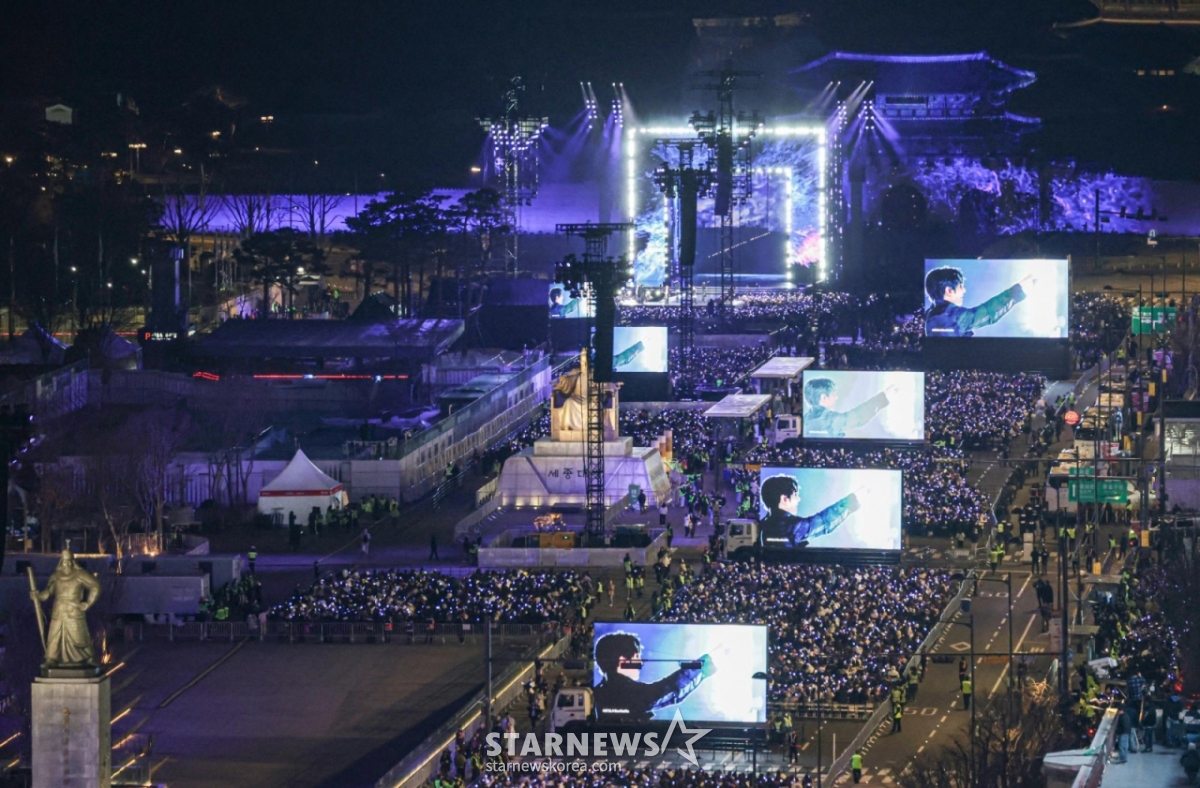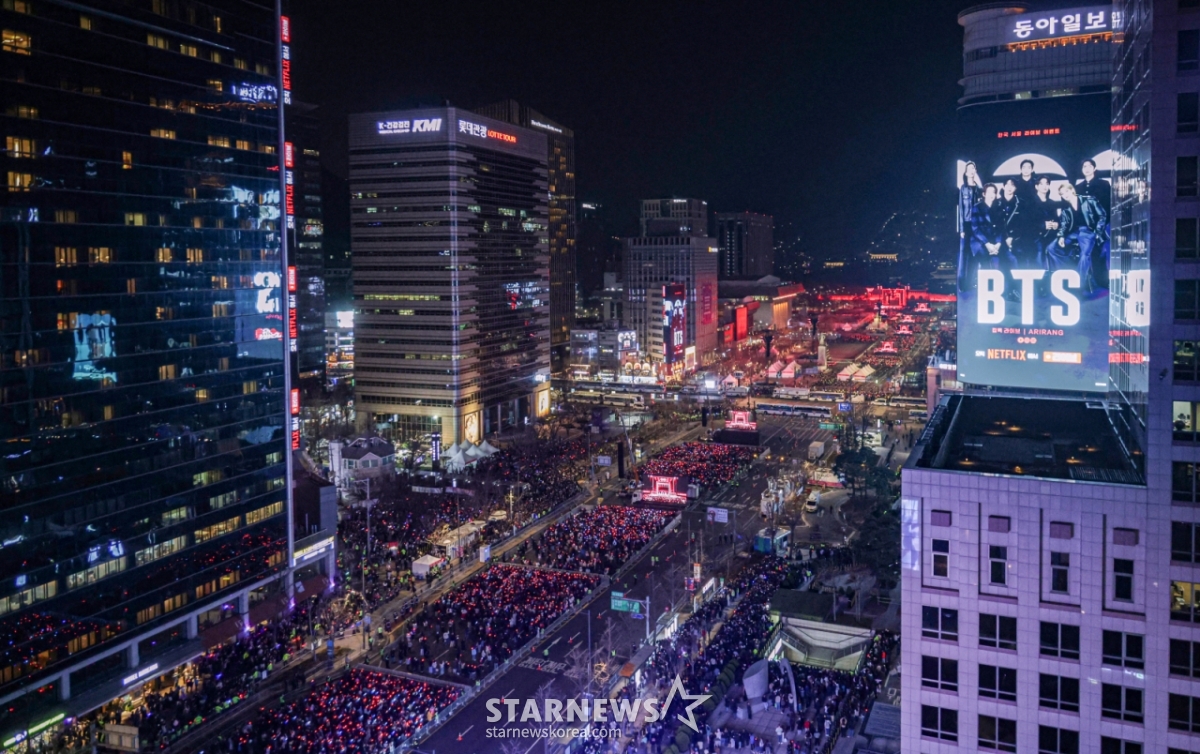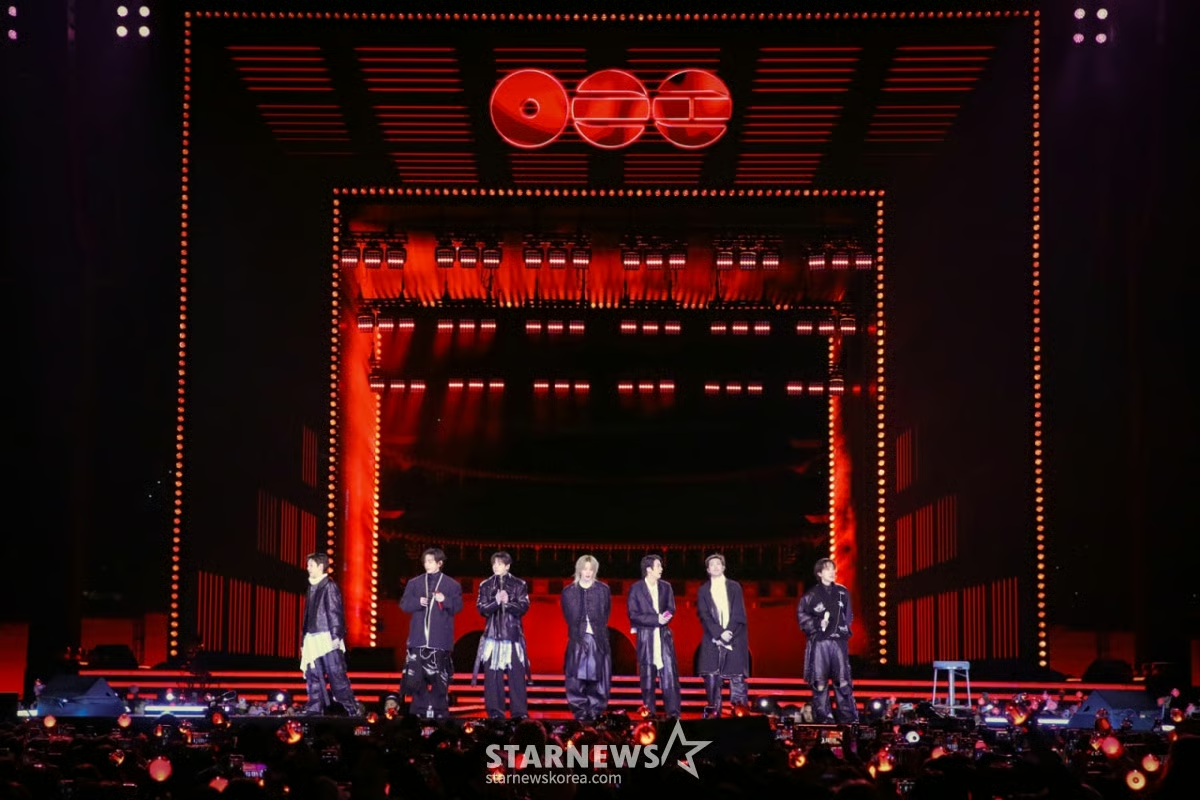
The hype was real.
For a mere 60-minute performance, the heart of South Korea, Gwanghwamun, was practically paralyzed.
While the return of the full boy group BTS (Beyond The Scene), after a 3-year and 5-month hiatus due to military service, was the grand justification, beneath the surface lay the inconvenience of countless citizens and a spectacle that caused many to frown.
The BTS (RM, Jin, Suga, J-Hope, Jimin, V, Jungkook) fifth full-length album ‘Arirang’ release commemoration performance, ‘BTS COMEBACK LIVE | ARIRANG,’ held at Gwanghwamun Square on the 21st at 8 PM, was noisy from the very beginning.
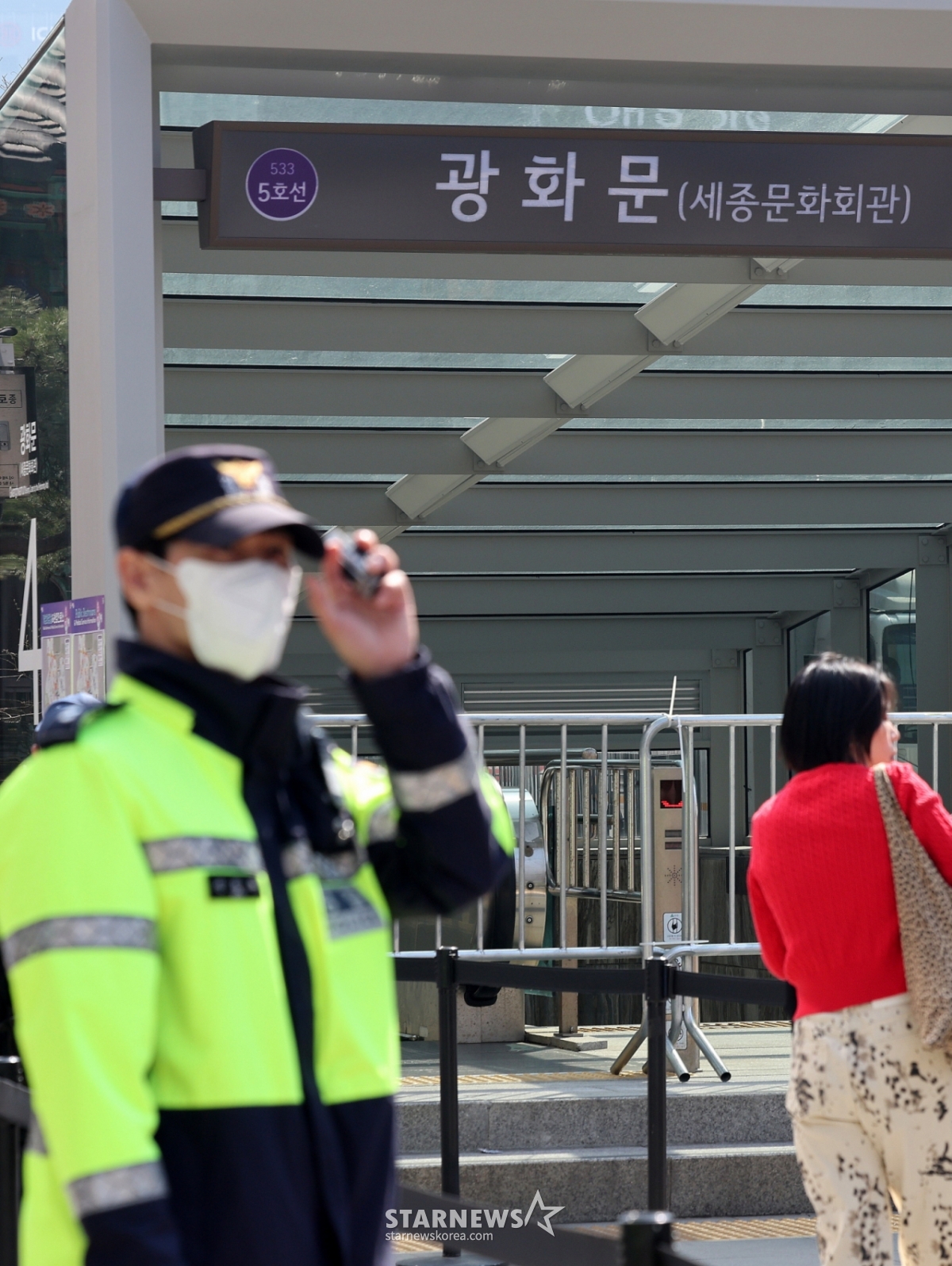
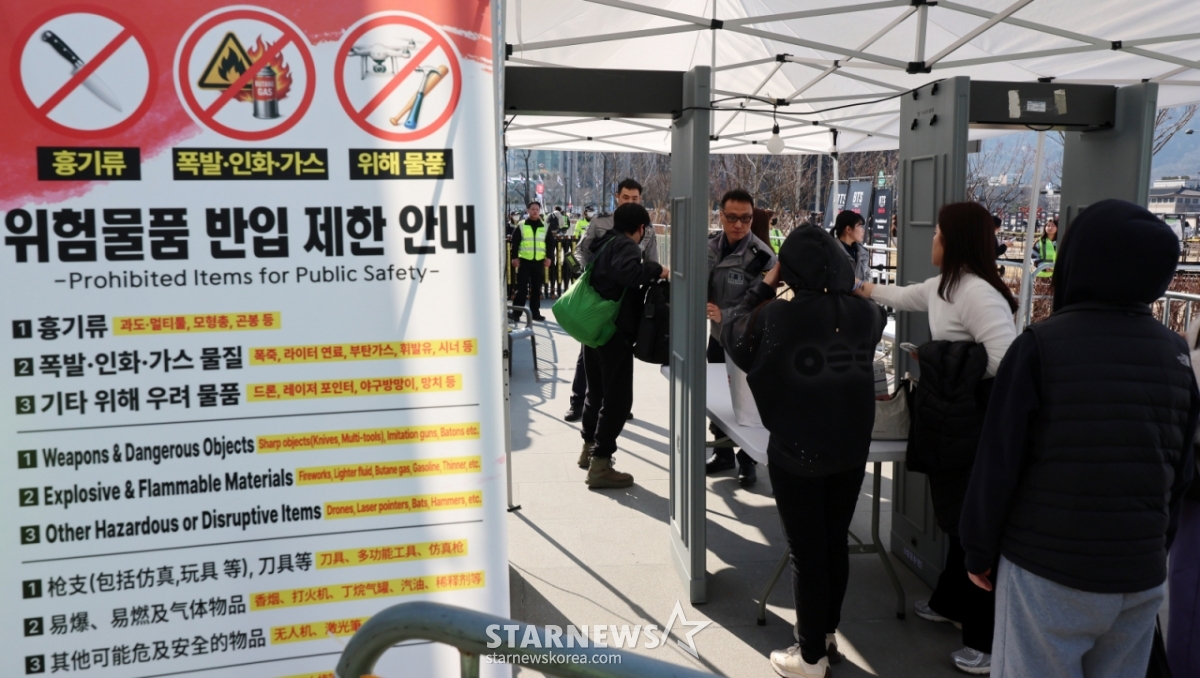
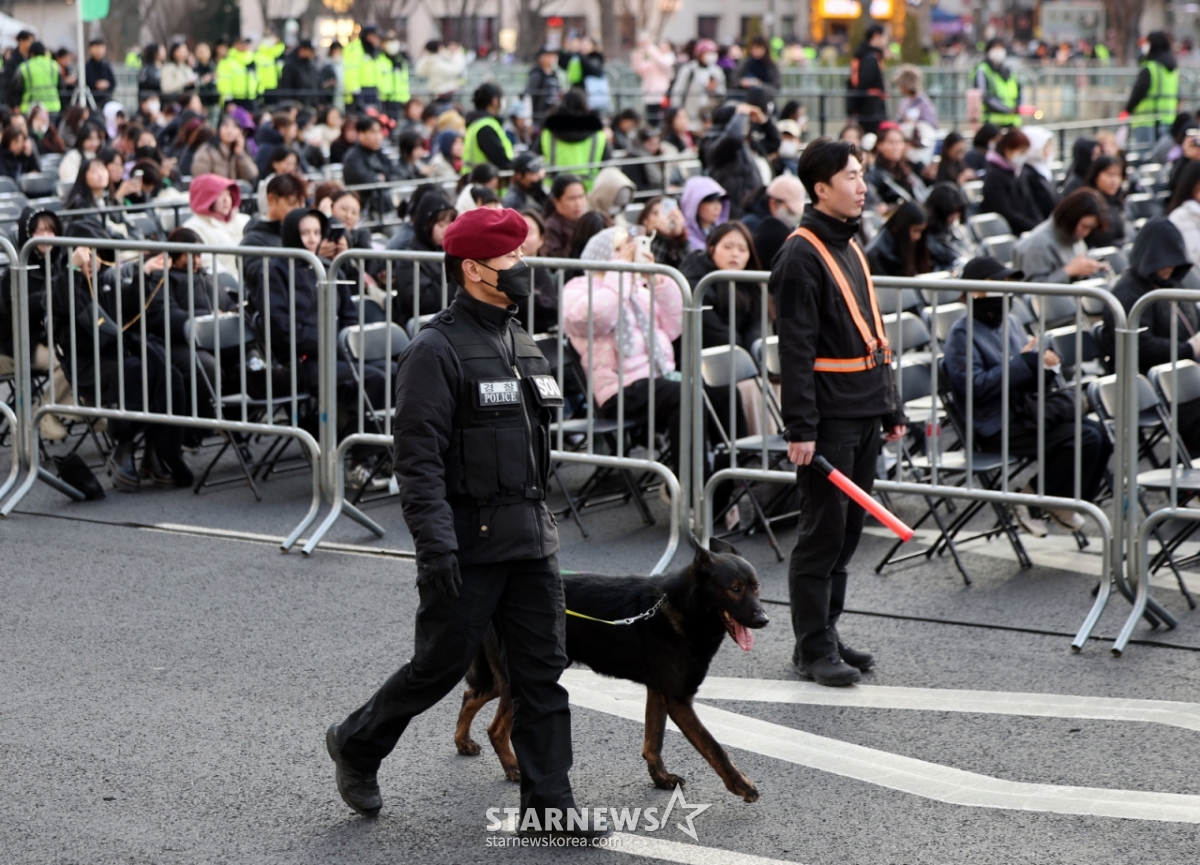
The Seoul Metropolitan Government, anticipating a surge in crowds, enforced non-stop passage through nearby major subway stations like Gwanghwamun Station, City Hall Station, and Gyeongbokgung Station. Entrances to roads and a total of 31 buildings in the area were also controlled. Furthermore, even ordinary citizens passing around Gwanghwamun Square had to pass through airport-like metal detectors at a staggering 31 gates. They were subjected to thorough body searches by police, who even rummaged through small pockets inside bags. Consequently, citizens with no connection to BTS were stuck, voicing their discontent.
The chaotic scene at the venue was also bewildering. Amidst the pure passion of global ARMYs (the fandom name) who flocked in from all over the world, illegal vendors trying to make a quick buck were entrenched. YouTubers seeking views with sensational live broadcasts and religious individuals with megaphones also intruded, disrupting the order of the square.
Adding to the disappointment was the situation surrounding the estimated number of attendees. While the police controlling the venue unofficially capped it at 42,000, the agency, HYBE, released a figure more than double that, stating, “According to our own estimates and those of the Seoul Metropolitan Government, a total of 104,000 people were estimated to have visited the site, including both internal and external attendees. This is an estimated figure based on the number of ticket reservations, the three major telecommunication companies, MVNO users, and the number of foreign visitors.” This sparked controversy over the flexible number of attendees.