By Shim Sun-ah
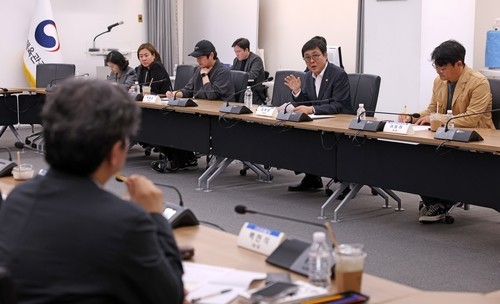
The Ministry of Culture, Sports and Tourism, in collaboration with the Korean Film Council, announced they will convene the inaugural meeting of a new consultative body in Seoul. This crucial gathering brings together 22 key representatives from across the Korean film industry, signaling a concerted effort to address pressing industry challenges. Notable participants include Culture Minister Chae Hwi-young, alongside executives from leading film studios, distributors, major cinema chains, and IPTV platforms.
Central to the discussions is the development of robust “holdback” rules, particularly as a bill proposing a six-month holdback period continues to be debated at the National Assembly. These holdback periods are critical for defining the exclusive release windows for films in theaters before they become available on other platforms.
This legislative initiative aims to revitalize the local film industry, which has been grappling with declining attendance in theaters and a significant shift in consumer viewing habits towards digital platforms. However, the proposed holdback period has sparked considerable criticism from film studios, investors, and distributors. They argue that delaying secondary releases could exacerbate financial hardship by slowing the recovery of investments and potentially stifling future funding for Korean films, especially given the continuous growth in streaming demand.
Beyond release windows, the consultative body is tasked with exploring broader strategic measures to stabilize the industry’s revenue structure. This includes fostering enhanced cooperation between traditional cinema chains and emerging streaming platforms, according to statements from the ministry. The goal is to build a sustainable ecosystem for film content distribution.
Officials expressed optimism that the group will narrow existing differences in the coming months. Their objective is to sign a voluntary agreement on these crucial holdback rules by August, aiming to support the film industry’s shared growth and ensure a fairer distribution of revenue across all stakeholders.
“We are committed to reaching a holdback agreement that effectively minimizes potential side effects by reflecting current market realities, while simultaneously maximizing overall industry revenues,” stated Chae, underscoring the delicate balance required for such an agreement.