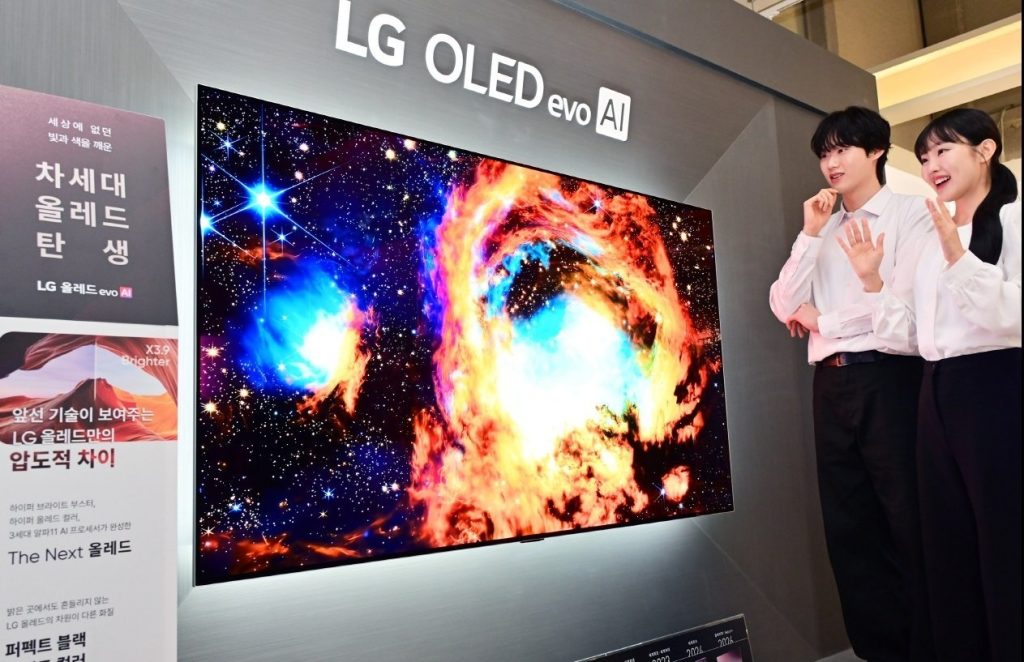
LG Electronics has officially launched its 2026 OLED TV lineup in South Korea, announcing price reductions on select models compared to the previous year. This strategic move aims to bridge the price gap between OLED TVs and the more affordable mini-LED TVs offered by Chinese competitors.
The entry-level 65-inch OLED (B6) model is priced at 3.29 million won ($2,193), while the premium 83-inch G6 model will retail for 13 million won. LG also confirmed the upcoming release of its innovative wireless wallpaper TV, the W6, along with a new Micro RGB LCD line, both slated for launch in the first half of the year.
The W6, a remarkably thin 9-millimeter wireless TV that garnered significant recognition at CES 2026, will be positioned modestly above the existing G-series flagship in terms of price, moving away from a previously expected premium pricing strategy, according to LG.
LG highlights that the top-tier models boast brightness levels up to 3.9 times higher than the entry-level B6, making them the brightest OLED TVs in the company’s history. These displays also incorporate a new anti-reflection coating that effectively minimizes incoming light reflection, reducing reflections by half compared to previous generation panels. In terms of software enhancements, Google’s Gemini and Microsoft’s Copilot have been integrated into LG’s webOS platform, providing users with a choice of AI-powered search engines.
The decision to lower prices is particularly noteworthy considering the operating loss reported by LG’s TV division last year, attributed to rising component costs. This pricing strategy signals a shift towards prioritizing market share over immediate profit margin recovery, driven by increasing competition. Chinese manufacturers like TCL and Hisense have surpassed LG in global TV shipments in recent years by offering aggressively priced mini-LED TVs.
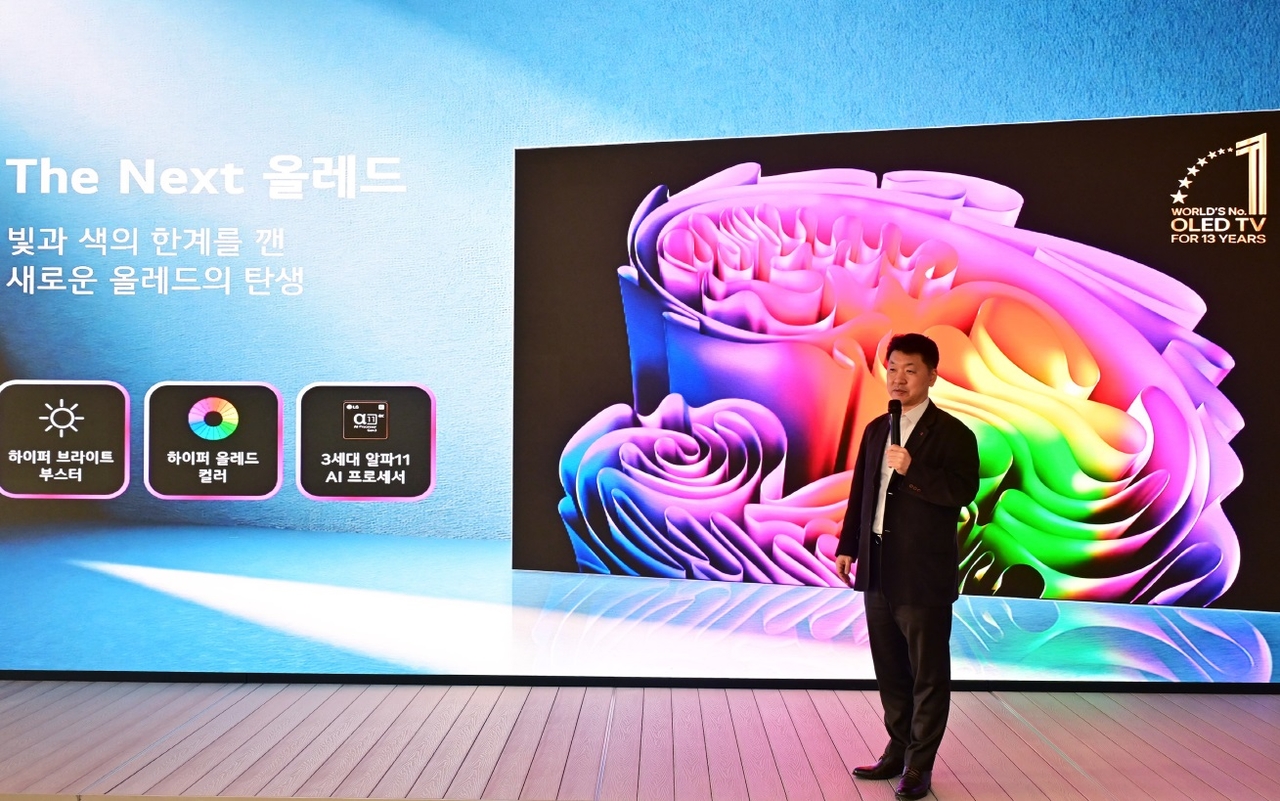
During the launch event in Seoul on Wednesday, Baek Sun-pil, head of LG’s display customer experience division, candidly discussed the inherent limitations of OLED technology in becoming a mass-market product. He pointed out that only two companies, LG Display and Samsung Display, currently manufacture TV-grade OLED panels, with a combined annual capacity of approximately 10 million units, compared to a global TV market of 200 million units.
“In the automotive world, OLED resides in the Lexus tier rather than the Camry tier,” Baek explained. “We are actively working to make it accessible with a reasonable budget, but it is unlikely to reach an entry-level price point in the near future.”
LG also unveiled the Micro RGB evo, which leverages its OLED light-control algorithms in an LCD TV utilizing miniaturized RGB LED backlights. Baek acknowledged that LG utilizes similar panels as its competitors in the LCD space, emphasizing that their competitive advantage lies in image processing.
“Our image quality algorithms and system-on-chip are where we possess a clear edge,” he stated, further adding that this year’s financial performance is expected to be “much better than last year.”
mjh