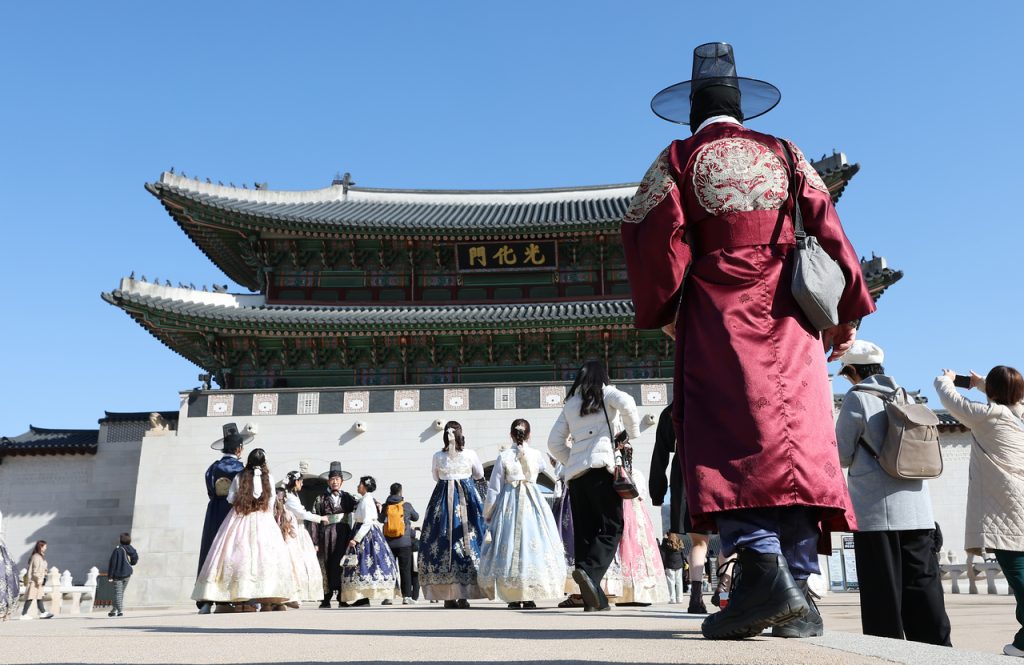
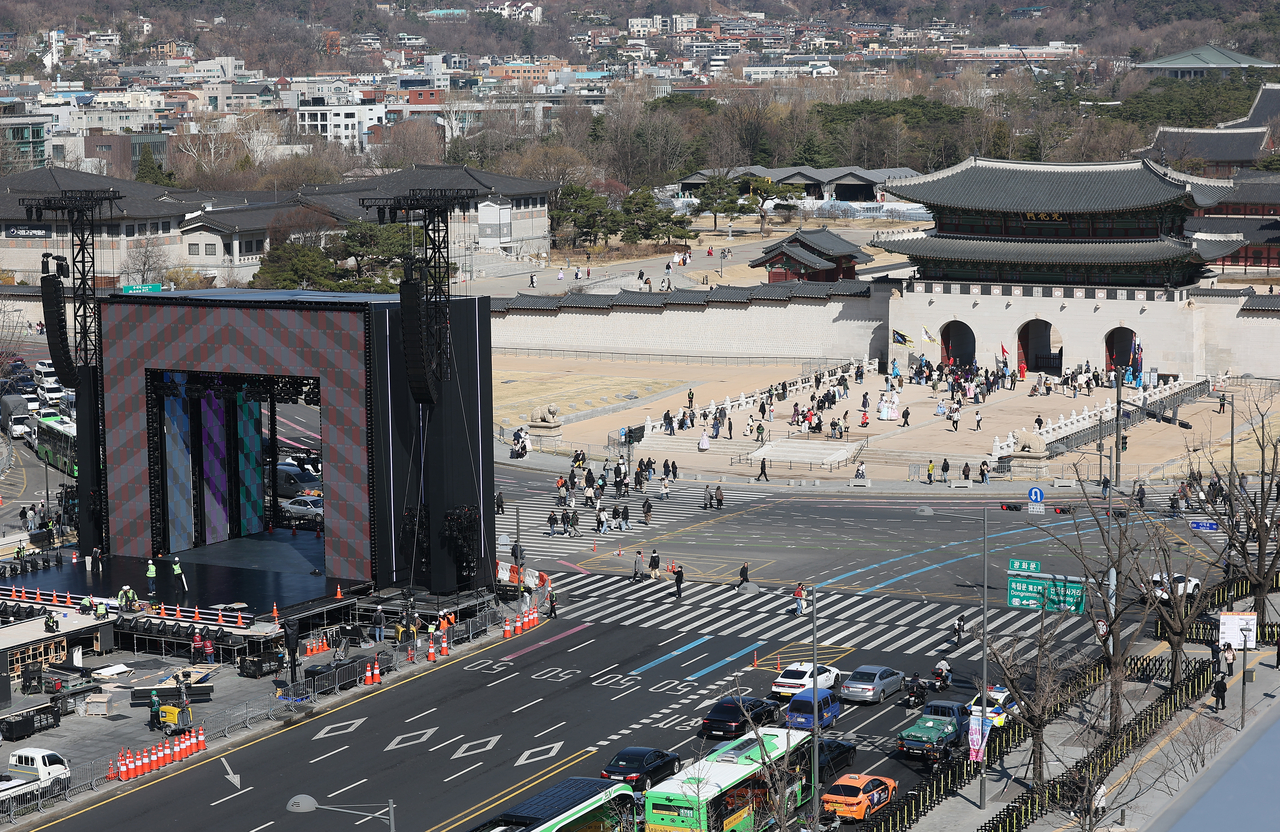
South Korea’s Ministry of Culture, Sports and Tourism is launching a series of engaging cultural programs at five major national institutions in celebration of BTS’ highly anticipated comeback concert on March 21. The initiative aims to immerse international visitors in the rich tapestry of Korean heritage and culture.
From March 20th, the National Museum of Korea, the National Museum of Modern and Contemporary Art (MMCA), the National Folk Museum of Korea, the National Museum of Korean Contemporary History, and the National Library of Korea will each present unique programming that showcases different facets of Korean history, art, literature, and traditional culture.
The ministry hopes this cultural initiative will enhance South Korea’s global reputation as a vibrant cultural hub and attract even more tourists interested in experiencing K-culture firsthand.
National Museum of Korea: Immerse Yourself in “Korean Cultural Heritage with BTS”
Explore the world of “Korean Cultural Heritage with BTS” at the National Museum of Korea! Starting March 21st, the museum will release insightful English-language video guides featuring curators who delve into the stories behind artifacts that have inspired BTS members. Discover the significance of treasures like the gilt-bronze pensive bodhisattva statue and the iconic moon jar. In collaboration with Hybe, the museum’s cultural foundation has also created an exclusive line of merchandise incorporating these collection items, available at museum shops from March 20th.
National Museum of Modern and Contemporary Art (MMCA): Discover “MMCA: Meet K-Art”
From March 20th to April 19th, the MMCA invites international visitors to participate in “MMCA: Meet K-Art,” a captivating guided tour program led by expert docents. Immerse yourself in the world of Korean modern and contemporary art.
National Folk Museum of Korea: Experience “K-Culture Folk Tradition with BTS”
The National Folk Museum of Korea presents “K-Culture Folk Tradition with BTS” from March 20th to April 30th. Enjoy guided explanations of traditional Korean artifacts that have captured BTS’s attention, including fascinating insights into funeral decorations. Head to the outdoor “K-Play Yard” and try your hand at traditional Korean games that appeared in the popular “Run BTS!” YouTube series, such as tuho (arrow pitching), top spinning, and jegichagi (shuttlecock kicking). Don’t miss the weekly Saturday performance, “K-Heung Hanmadang,” showcasing the vibrant music from BTS songs like “Idol” and “On” that incorporate traditional Korean elements, including traditional instruments, rhythms, and the beautiful hanbok garments.
National Museum of Korean Contemporary History: A Journey Through Time with BTS
From March 14th to May 31st, the National Museum of Korean Contemporary History will display a special time capsule donated by BTS, accompanied by captivating video material. Explore the connection between the 100th anniversary of filmmaker Na Woon-gyu’s groundbreaking 1926 silent film “Arirang” and BTS’s own powerful “Arirang” performance in 2026. Engage in the children’s education program “Arirang of Rock,” running from April through June, which explores the significance of the folk song “Arirang” in modern Korean history and culture.
National Library of Korea: Explore “Books That Inspired BTS Music!”
From March 20th to April 12th, the National Library of Korea’s digital branch will host the intriguing exhibition “Books That Inspired BTS Music!” Discover the literary works that have influenced the group’s creative process, including Kim Yeong-nang’s evocative poem collection “Until the Peonies Bloom” and Yun Dong-ju’s poignant poem “Youth.” Explore the permanent interactive media art installation, “The Author’s Notebook,” for a visually stunning experience of Korean literary works.
A ministry official emphasized that this initiative offers a unique opportunity for the world to “experience the depth and diversity of Korean culture directly, beyond BTS’s music.” They also pledged to continue supporting policies that promote K-culture and solidify South Korea’s position as a global cultural leader.
gypark