Rare public rebuttal from OpenAI’s Korea chief highlights intensifying enterprise AI competition in Korea
OpenAI Korea’s general manager has publicly disputed a domestic media report that used card payment data to argue Anthropic’s Claude is rapidly gaining ground among South Korean corporate clients, calling the methodology misleading because most enterprise deals never appear in card transactions. This statement underscores the escalating battle for enterprise AI dominance in the region.
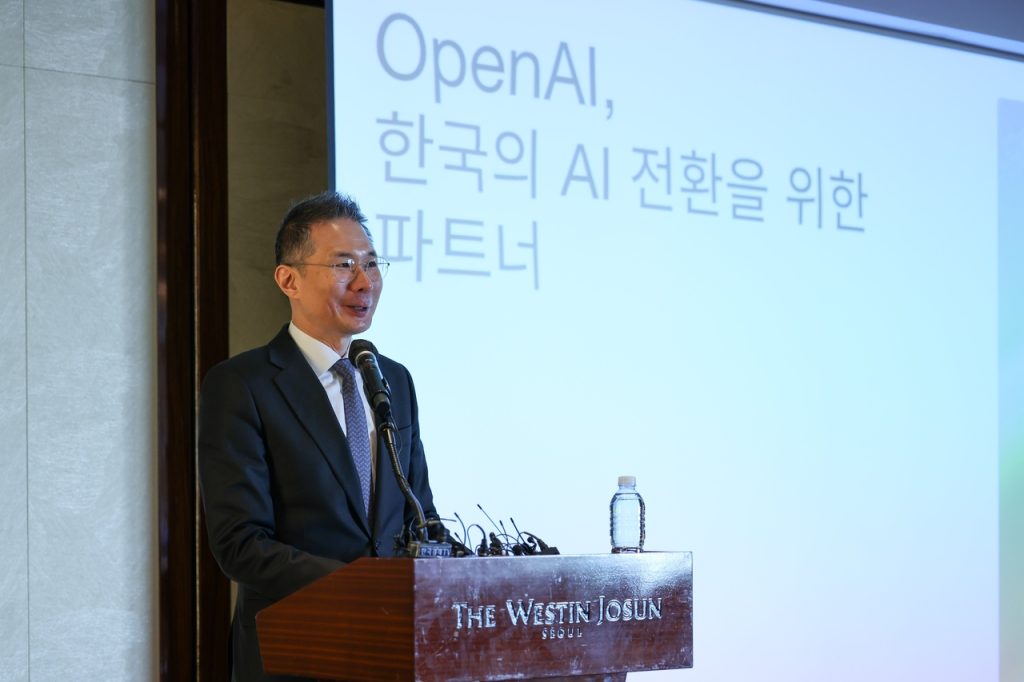
Kim Kyoung-hoon, who leads OpenAI’s Korean operations, wrote on LinkedIn on Sunday that card spending figures fail to capture how large businesses actually pay for AI services, offering a critical perspective on market analysis.
“Many enterprise clients prefer invoice-based settlement over corporate cards,” Kim wrote, noting that customers upgrading from ChatGPT Business to the higher-tier ChatGPT Enterprise also shift to invoice billing. “What may look like a decline in card spending is actually a migration in payment methods,” he clarified, highlighting the nuances of enterprise AI adoption.
Kim’s post responded to a report Saturday by the Korea Economic Daily, which cited card transaction data compiled by Hankyung Aicel, an alternative data arm of the same newspaper group that tracks aggregated card spending as a proxy for market trends. The report suggested Claude was gaining significant traction in the South Korean market.
According to that analysis, total card spending on major generative AI services in South Korea reached a record 90.55 billion won ($60.6 million) in February. Claude accounted for 27.12 billion won, or 30 percent of the total, crossing that threshold for the first time, indicating a potential shift in market share.
Corporate card transactions made up 61 percent of Claude’s payments as of Feb. 15, some 16 percentage points above ChatGPT’s ratio. This difference raised questions about the payment preferences of Claude’s user base compared to ChatGPT.
Claude’s average transaction value also surpassed 100,000 won in February, roughly double the industry average, and its card-based spending surged 830.8 percent year-on-year. ChatGPT’s card spending, meanwhile, fell 7.7 percent month-on-month, marking a third consecutive decline from its November peak of 55.8 billion won, pointing to potentially diverging trends in payment behavior.
The gap between the two services looks very different in user volume. Mobile analytics firm WiseApp measured ChatGPT at 22.93 million monthly active users in South Korea in February, compared with 770,000 for Claude. That disparity follows a global pattern: ChatGPT dominates consumer adoption while Claude has concentrated on higher-value enterprise and developer use cases, emphasizing different market focuses.
Kim’s core argument is that card data, while useful for tracking individual subscriptions and small-team spending, structurally undercounts large corporate contracts settled through formal procurement channels. This raises concerns about relying solely on card transaction data to gauge enterprise AI adoption rates.
There is some independent evidence supporting that claim: Samsung SDS, which became Korea’s first official ChatGPT Enterprise reseller partner in December, announced earlier this month that it had signed more than 10 enterprise clients across industries, including manufacturing, finance and services. None of those deals would appear in card transaction figures, supporting Kim’s assertion.
OpenAI Korea has not issued a separate statement.
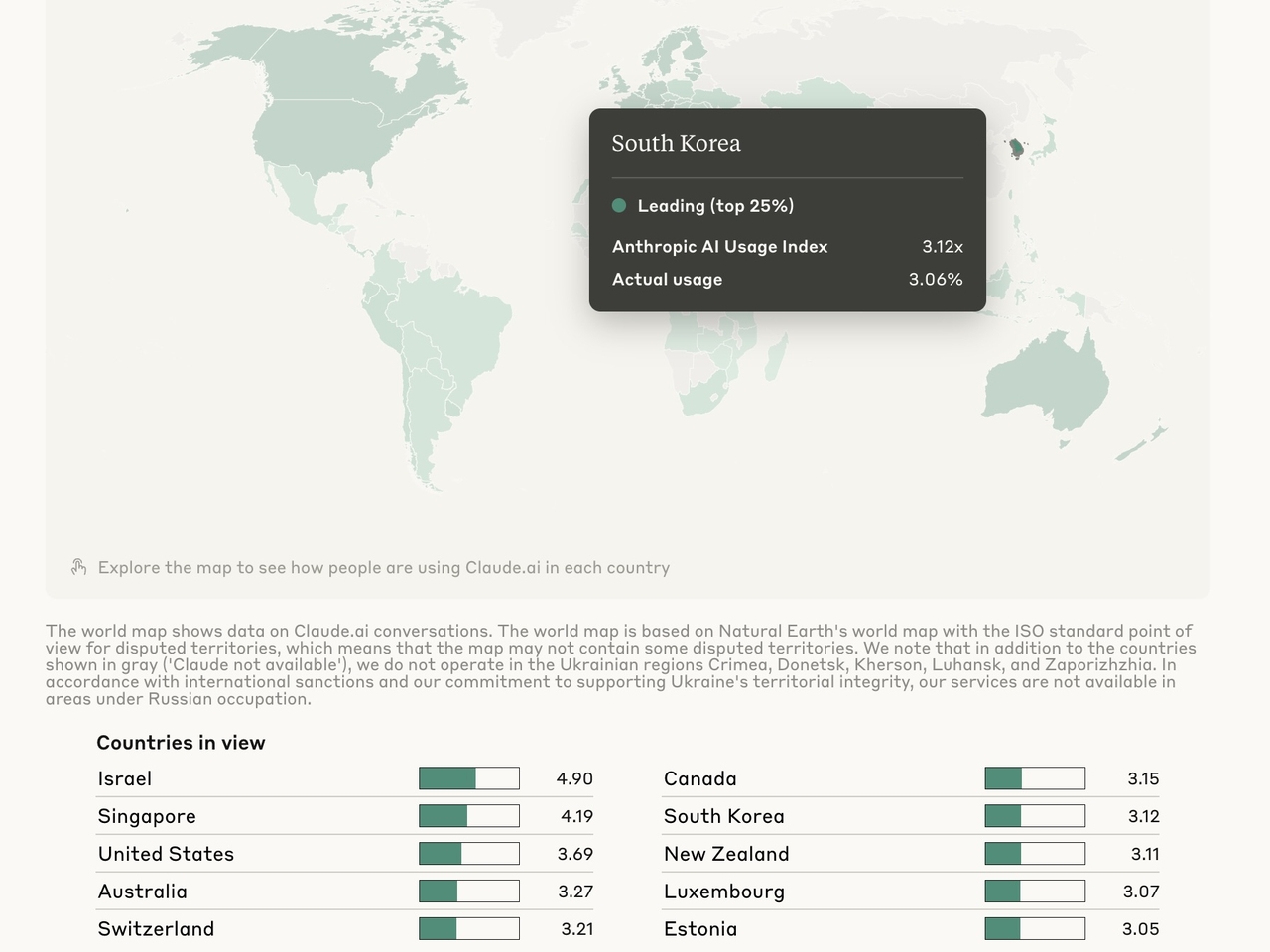
The exchange reflects how high-stakes the enterprise AI competition between OpenAI and Anthropic has become in South Korea. OpenAI established its Korean office in September and has been expanding its corporate sales team. Anthropic is hiring sales and technical staff in Seoul ahead of formally opening its third Asia-Pacific office, following Tokyo and Bengaluru, India, signifying their commitment to the Korean market.
South Korea is one of the most commercially valuable AI markets, ranking second globally in cumulative ChatGPT app revenue despite its relatively small download base, according to Sensor Tower in November, indicating a high willingness to pay for AI services.
Venture capital firm Menlo Ventures estimated in December that Anthropic held 40 percent of the global enterprise large language model API market, compared with 27 percent for OpenAI. This data point further emphasizes the competitive landscape between the two AI giants.
mjh