Samsung SDI announced Monday a significant agreement valued at 1.5 trillion won ($1 billion) to provide prismatic energy storage system (ESS) batteries to a US-based energy company. This deal underscores Samsung SDI’s expanding footprint within the burgeoning North American energy storage market.
The specifics of the contract, including the identity of the customer, remain confidential. However, the agreement stipulates phased deliveries commencing this year and continuing through 2029. Production of these batteries will occur at the StarPlus Energy facility in Indiana, a joint venture between Samsung SDI and Stellantis. Originally conceived for electric vehicle (EV) battery production, the plant was partially repurposed for ESS battery lines and began operations last year in response to a slowdown in EV demand.
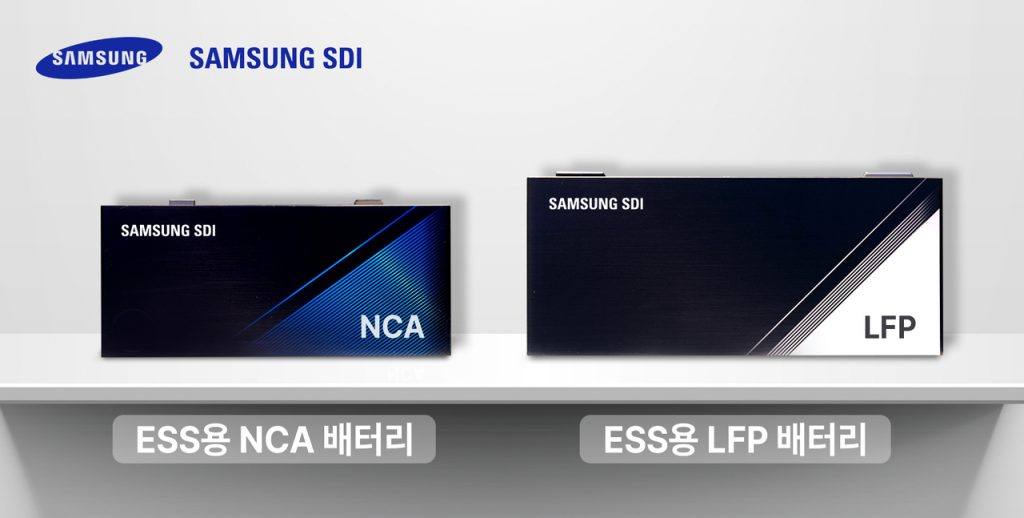
The company intends to supply both high-performance nickel-cobalt-aluminum (NCA) batteries and cost-effective lithium iron phosphate (LFP) batteries. This strategic move aims to bolster Samsung SDI’s position in the rapidly growing LFP battery segment, a market historically dominated by Chinese manufacturers. This diversified approach allows Samsung SDI to cater to a wider range of ESS application needs.
Samsung SDI has been proactively strengthening its presence in the US ESS market, driven by the escalating demand fueled by large-scale renewable energy projects and the expanding artificial intelligence (AI) industry, which requires substantial energy storage solutions.
In 2023, the company signed an ESS battery supply contract exceeding 2 trillion won with a prominent US energy infrastructure developer. Earlier this year, Samsung SDI secured another substantial ESS battery supply deal in the US and is actively engaged in discussions with numerous global customers regarding potential additional supply agreements. These deals highlight the company’s growing influence in the global ESS market.
Industry experts suggest that Samsung SDI’s recent series of ESS supply contracts reflect its competitive advantage as the only non-Chinese manufacturer producing prismatic ESS batteries within North America, offering a strategic alternative for companies seeking diversification and supply chain resilience.
The company emphasizes that prismatic batteries offer superior durability, enhanced fire safety, and greater reliability compared to traditional pouch-type cells, positioning them as a safer and more robust choice for ESS applications.
At The Battery Conference, a side event of an industry exhibition held at Coex in southern Seoul on Wednesday, Samsung SDI unveiled its new PrismStack brand. This launch reaffirms its commitment to and leadership within the prismatic battery market, signaling its continued innovation and market focus.
According to Joo Yong-lak, head of Samsung SDI’s R&D center, the company’s prismatic battery product features a metal-cased structure with electrodes layered inside the cell. This design maximizes space utilization, resulting in improved energy density, a crucial factor for efficient energy storage.
Joo stated, “In ESS applications, cells typically stack more than 100 sheets. Due to advantages in cost competitiveness and safety, LFP prismatic batteries — rather than pouch-type cells — are increasingly preferred for ESS. This form factor also enables higher energy density, making it well suited for large-scale energy storage.” The adoption of prismatic batteries is being driven by the demand for safer, more efficient, and cost-effective energy storage solutions.
hyejin2