
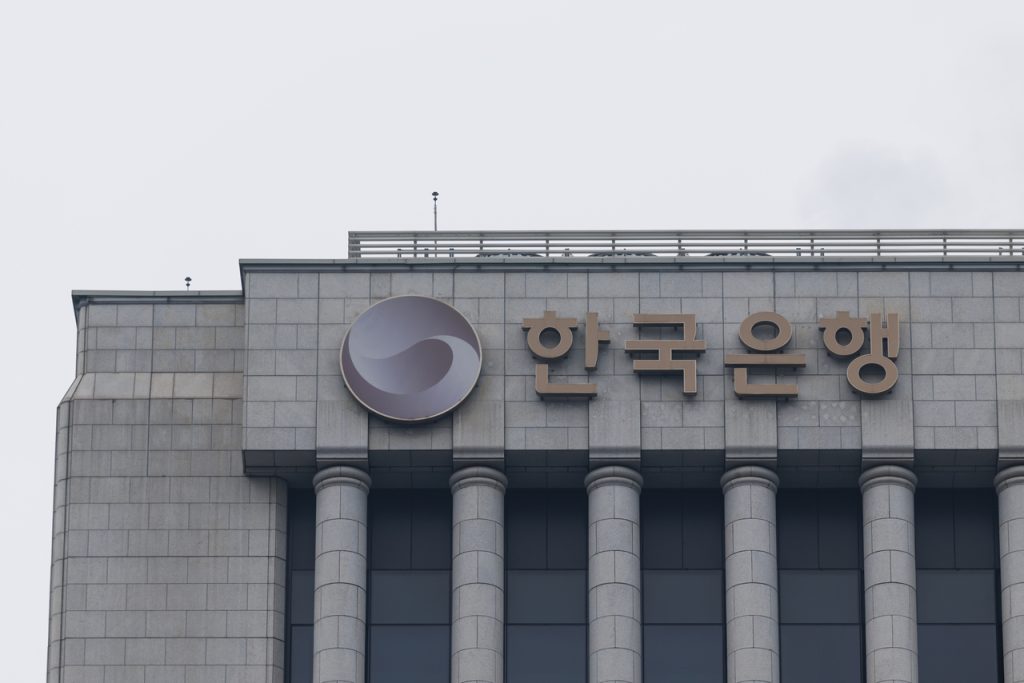
The Bank of Korea (BOK) has indicated that a proposed supplementary budget designed to mitigate the economic consequences of the ongoing conflict in the Middle East is unlikely to significantly exacerbate inflation, even amidst rising cost pressures fueled by increasing oil prices.
According to data submitted to Rep. Cha Gyu-geun of the Rebuilding Korea Party and released on Sunday, the central bank believes the inflationary impact of a supplementary budget related to the Middle East crisis will likely be limited.
The BOK explained that supplementary budgets generally exert upward pressure on prices by stimulating demand through increased government spending. However, the magnitude of this effect hinges on factors such as the budget’s size, composition, and implementation timeline.
“The war in the Middle East has intensified cost-side pressures due to escalating oil prices,” the BOK stated. “We believe the probability of a supplementary budget significantly contributing to inflation is relatively low, considering the persistent negative GDP gap and the divergent growth trends between the IT and non-IT sectors.”
The central bank further noted that the rationale for a stimulus-oriented supplementary budget is less compelling than it was a year ago, given forecasts for stronger economic growth this year compared to the previous year. Nevertheless, it acknowledged that the rapidly deteriorating situation in the Middle East presents continuing downside risks to economic growth and upside risks to inflation.
The BOK emphasized that the growth impact of any additional budget will largely depend on the specific types of spending and the timing of their implementation. Drawing on past experiences, the bank estimates that the first supplementary budget of 13.8 trillion won ($9.2 billion) and the second of 16.2 trillion won implemented last year each contributed approximately 0.1 percentage point to annual economic growth.
Rep. Cha urged the government to ensure that the proposed measures offer more than just a temporary solution.
“A supplementary budget should not be considered a short-sighted, temporary fix, but rather a strategic policy tool to support exporters, transport companies, and small business owners affected by the Middle East crisis,” Cha stated in a statement released on Sunday.
“Given the government’s commitment to funding the extra budget without issuing additional government bonds, it is imperative that they promptly inform the public about who will receive assistance, the amount of support provided, and the specific implementation details of the program.”
jwc


