Idol-Producers Give New K-Pop Groups an Edge: Mobilizing Fan Support & Leveraging Fandom Expertise
A new wave is sweeping the K-pop scene: former idols transitioning into executive and production roles, launching rookie K-pop groups with the benefit of their hard-earned experience. From Jay Park’s Lngshot to Zico’s BoyNextDoor and Kim Jae-joong’s Say My Name, these idol-turned-producers are reshaping the training, promotion, and overall positioning of the next generation of K-pop artists.
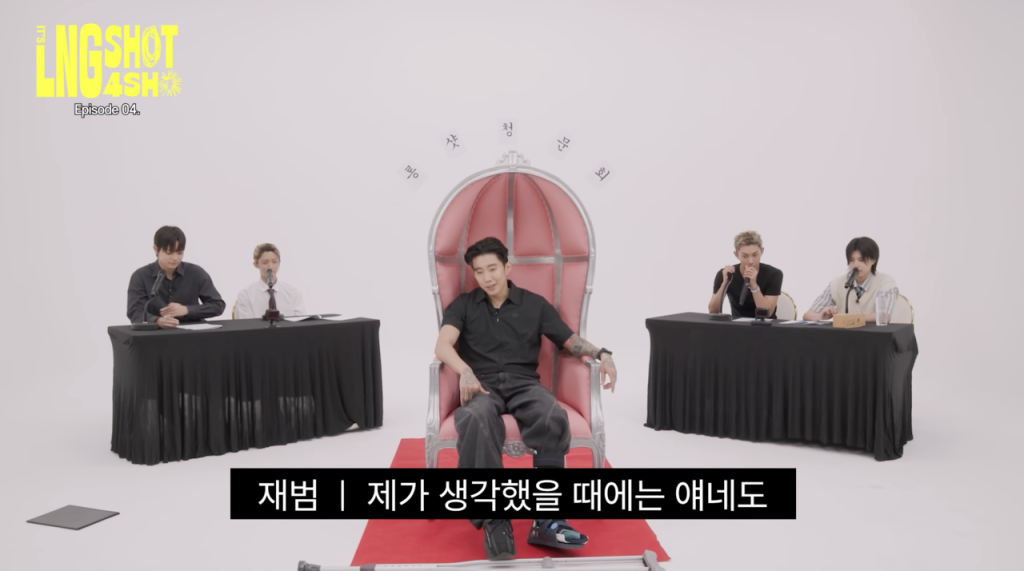
“We’re built on trust. I don’t want a relationship where I say, ‘I’m your CEO, so you have to do as I say,’” Jay Park stated during Lngshot’s debut showcase on Jan. 13. “I try to communicate as much as I can so I can pass on my experience.”
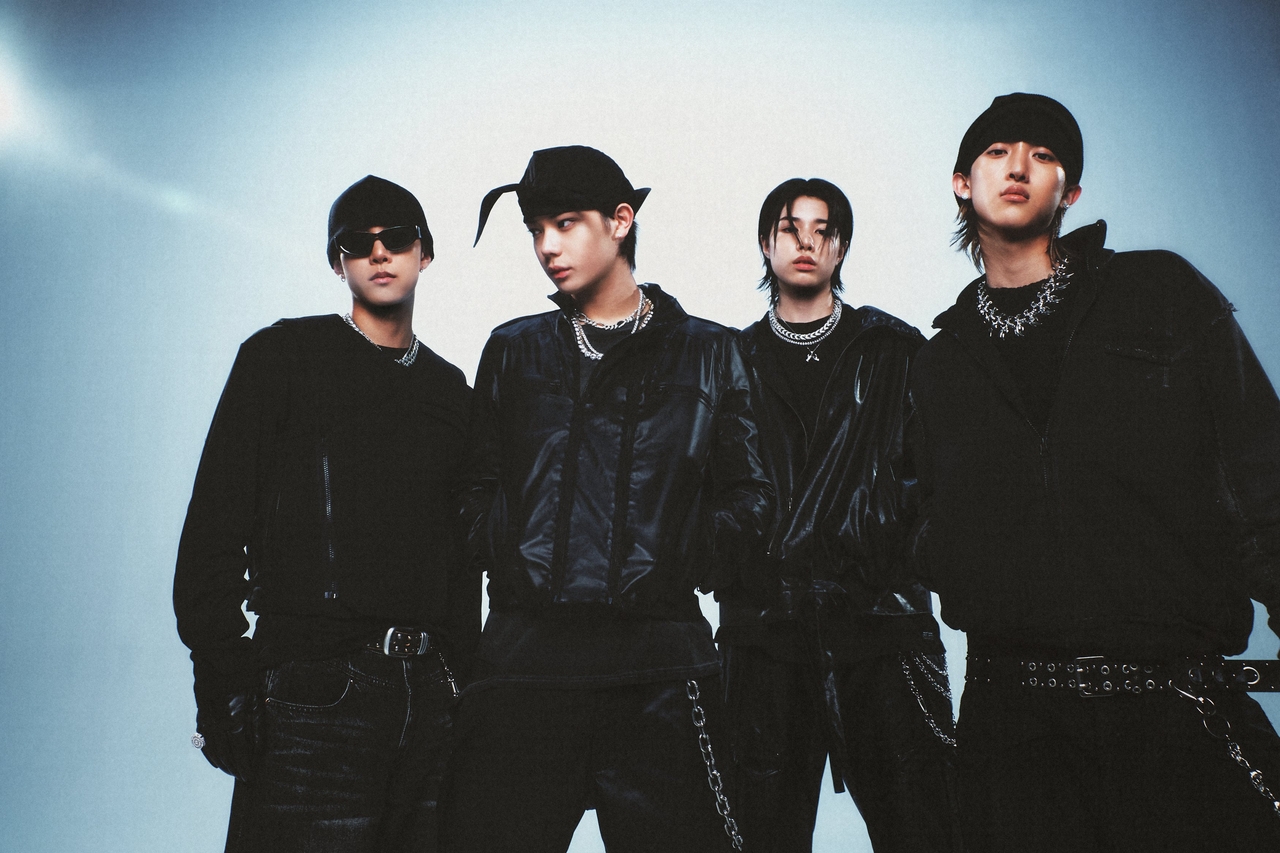
Jay Park, a leading figure in Korean hip-hop and a former member of the popular idol group 2PM (debuted in 2008), is leveraging his own journey to guide Lngshot. Since their debut in January, the 38-year-old producer emphasizes a close and approachable dynamic with the group, drawing on lessons learned from his own career.
Lngshot’s musical direction, a blend of hip-hop and R&B, clearly reflects Jay Park’s influence. The group is already showing promise, with their debut track “Moonwalkin’” reaching No. 30 on Melon’s Hot 100 chart within its first 100 days.
Park’s approach reflects a growing trend in K-pop where seasoned artists, having navigated the pressures of idol life, now nurture new talent from behind the scenes.
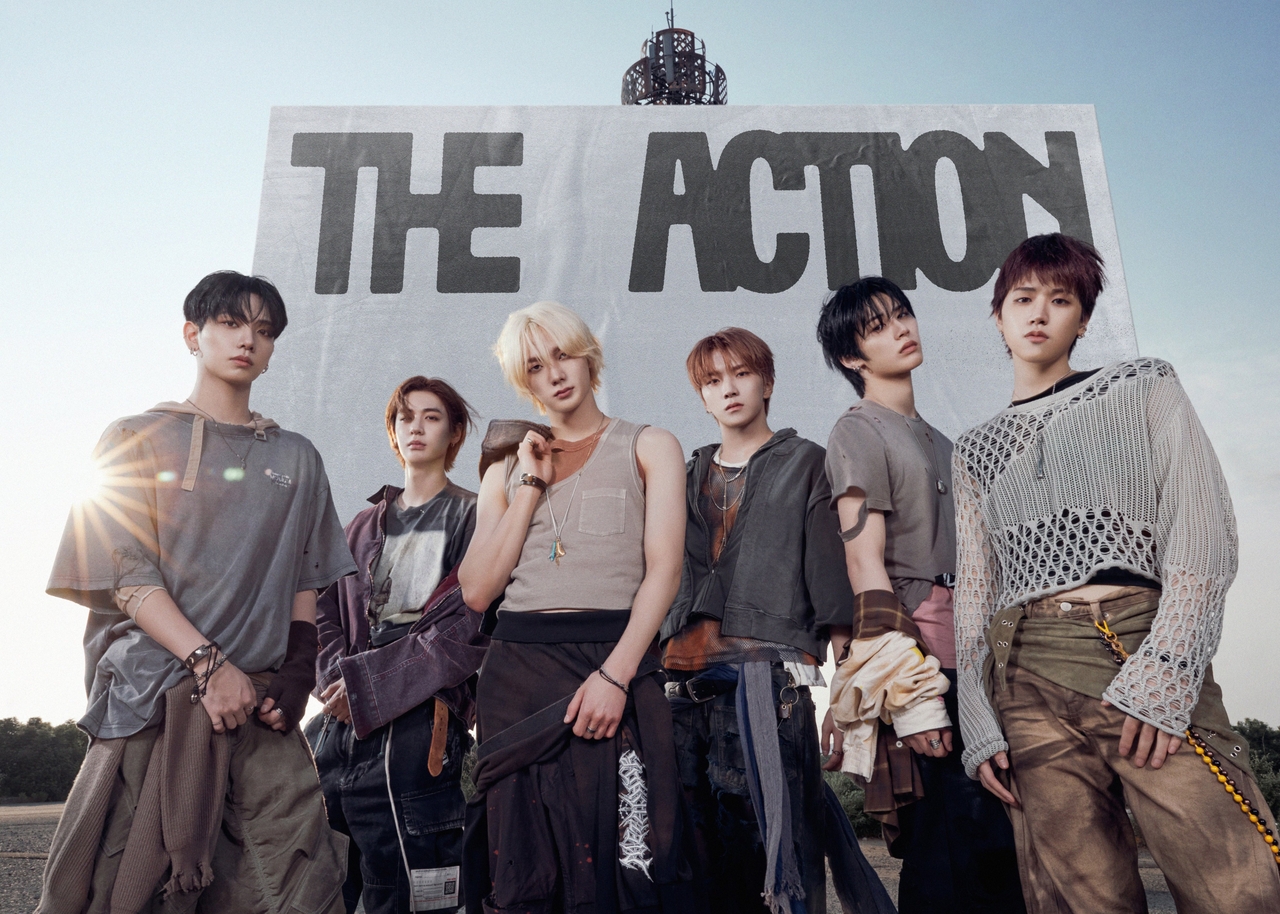
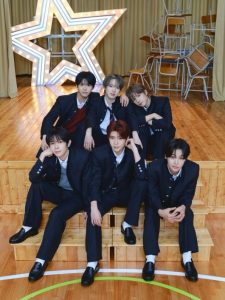
BoyNextDoor, debuting in 2023 under Koz Entertainment (led by producer and rapper Zico), is another prime example. Zico, who debuted in 2011 as a member of the now-inactive boy band Block B, serves as both CEO and chief producer, directly shaping the group’s musical identity and sound.
“If I Say, I Love You,” released in January 2025, soared to the top of domestic music charts last year, solidifying BoyNextDoor’s position as a rising K-Pop boy band. The group also took home four awards at the Melon Music Awards that year, including Best Male Group.
Kim Jae-joong, formerly of TVXQ (one of Asia’s most successful pop acts in the 2000s), has also entered the idol-producer arena, launching the girl group Say My Name in 2024. The group, featuring Hitomi from the disbanded IZ*ONE, has released three EPs and recently concluded their first Asia tour.

The involvement of these artists extends beyond mere mentorship. Producer-CEOs are increasingly integrated into their groups’ branding, often appearing alongside rookie idols in promotional videos and broadcast content, projecting an image of collaboration and approachability. This offers benefits that traditional management can not.
Jay Park, for example, made a cameo in Lngshot’s music video for “Saucin’” and has performed with the group at major events like the Melon Music Awards, actively promoting them at press showcases. This hands-on involvement stands in contrast to the more conventional K-pop agency structure, where executives typically remain behind the scenes.
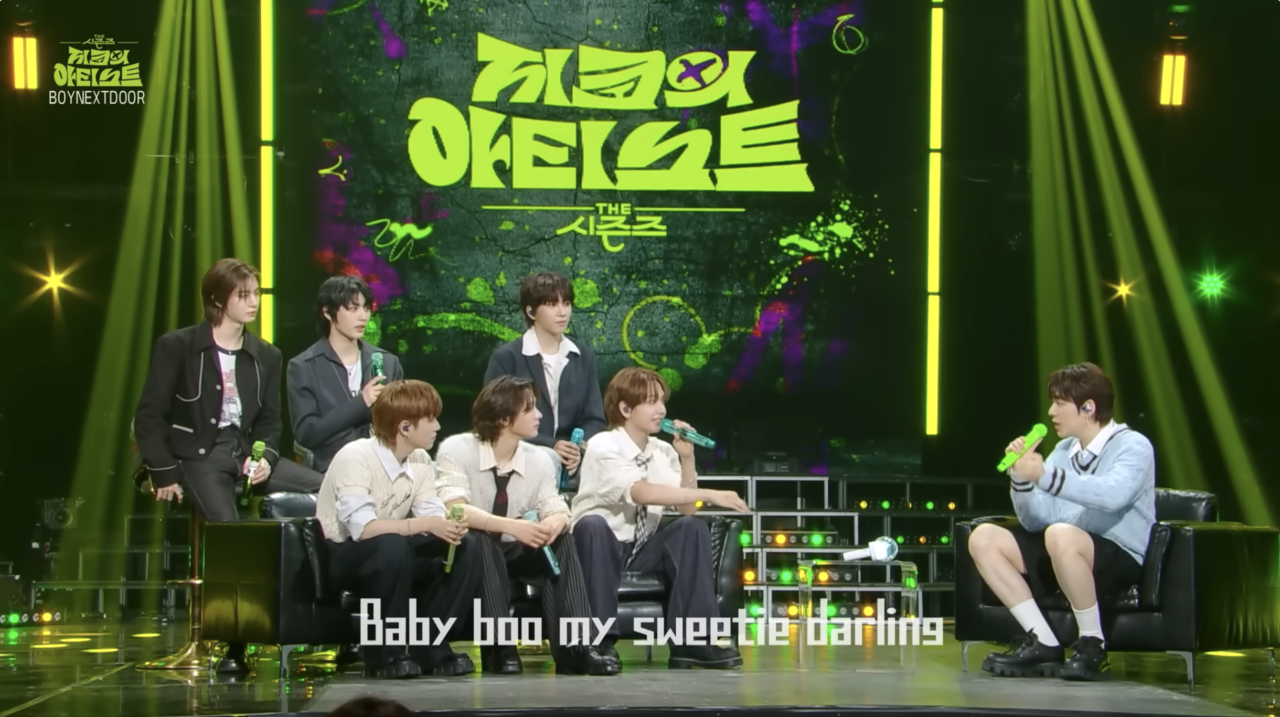
BoyNextDoor’s dynamic with Zico has also garnered significant attention. A video of the group appearing on “The Seasons — Zico’s Artist,” the fifth season of KBS’ music talk show hosted by Zico in 2024, has exceeded 1.5 million views on YouTube. The clip features the band performing Zico’s songs and playfully sharing old photos of the producer, illustrating a senior/junior artist dynamic that appears collaborative rather than strictly hierarchical.
Industry experts believe this approach resonates strongly with audiences. The relaxed, senior-junior dynamic between idol-producers and rookie idols is a distinctive promotional strategy, differentiating these groups from more traditional, hierarchical K-pop structures.
“Often, fans of idol-producers naturally become interested in the new groups they oversee, offering early support that can give rookies a strong launch,” culture critic Kim Heon-sik told The Korea Herald on Sunday.
“At the same time, because K-pop thrives on direct interaction with fans, it’s a strength when producers have firsthand experience communicating with fandoms as idols themselves. They can pass on accumulated know-how and better empathize with their junior artists.”