Hyundai’s Atlas at $130,000 faces Tesla’s $20,000 goal — and China’s $13,500 rival
The rivalry between Hyundai Motor Group and Tesla is extending beyond electric vehicles into the burgeoning field of humanoid robotics. The two companies are taking different approaches, setting the stage for intense competition.
Tesla’s history of leveraging aggressive pricing to dominate the EV market suggests a similar strategy could be applied to robotics, potentially triggering a price war as the industry matures.
Two strategies, two price tags
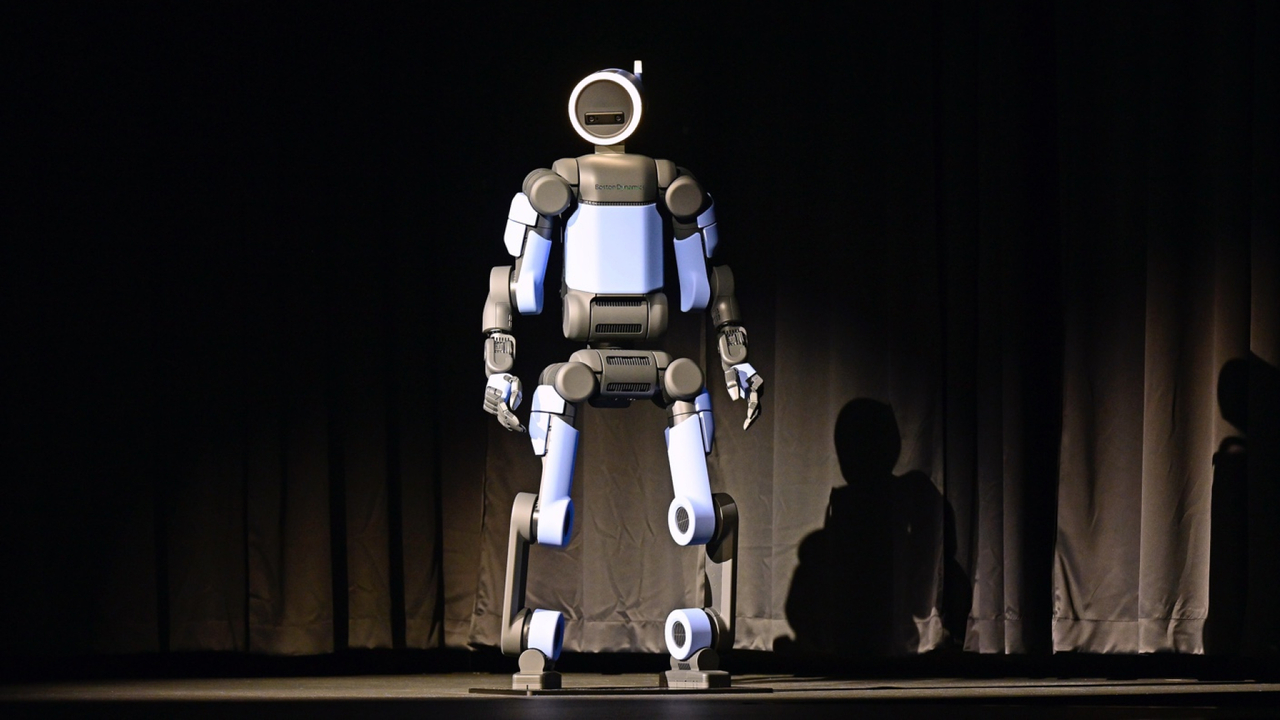
A recent report from the Export-Import Bank of Korea indicates that Hyundai’s Atlas humanoid robot, developed by Boston Dynamics, is expected to launch with a price tag of approximately $130,000.
However, the report projects a significant drop in unit costs as production scales. With an annual output of 30,000 units, the cost of Atlas could fall to around $35,000—roughly a quarter of its initial price—and potentially decrease further to about $30,000 at 50,000 units.
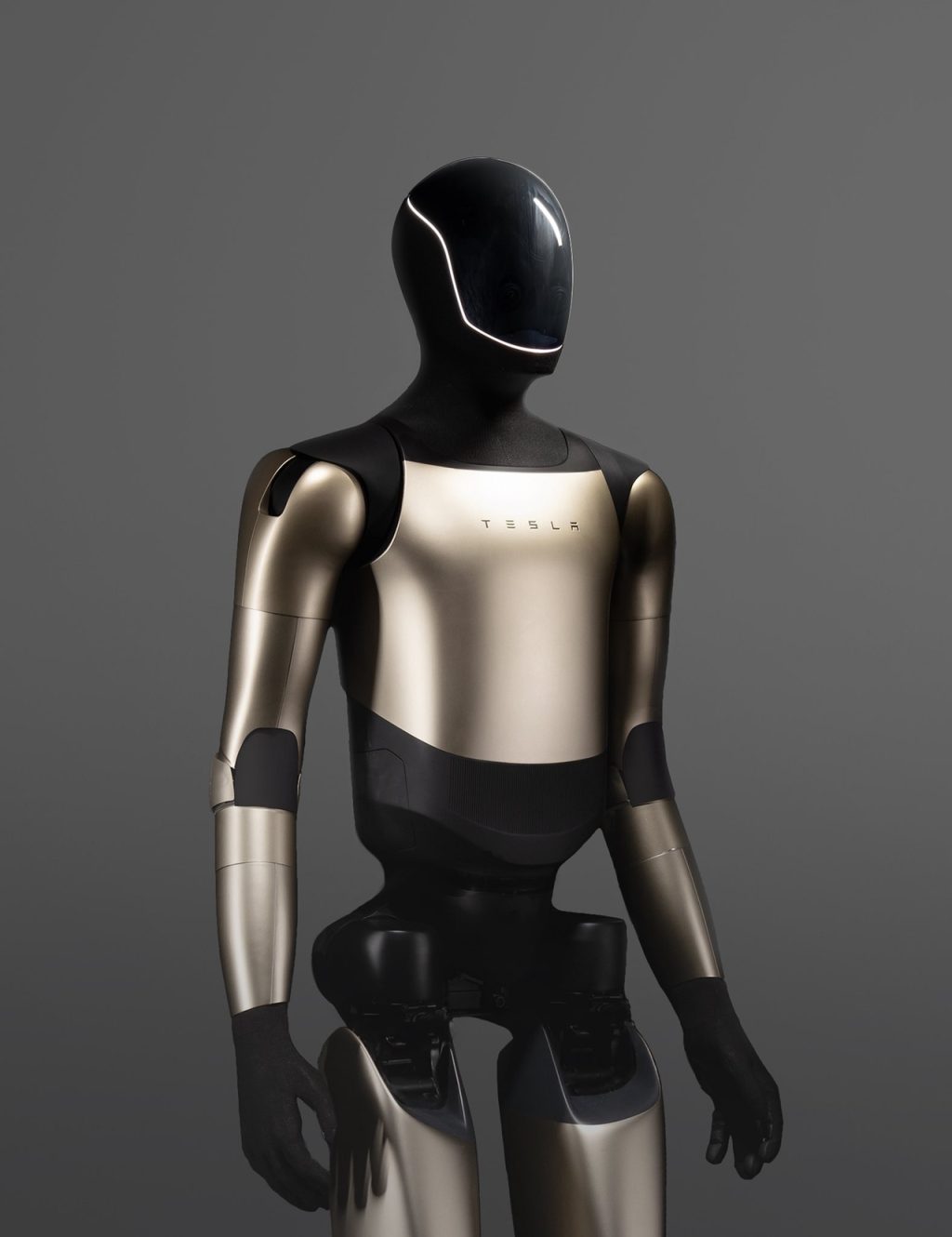
In contrast, Tesla CEO Elon Musk has suggested that Optimus could be priced between $20,000 and $30,000 per unit, less than half the cost of a typical Tesla vehicle. At launch, Atlas could cost more than four times as much as Optimus, though this difference may narrow to around 1.5 times as production increases.
This pricing disparity mirrors the companies’ EV competition. Hyundai, an established automaker, transitioned from internal combustion engines to hybrids and EVs, while Tesla was built from the ground up as an EV company. Leveraging large-scale production and stringent cost control, Tesla has largely outperformed Hyundai in global battery EV sales.
Industry analysts anticipate Tesla will replicate this strategy in robotics. Hyundai is focusing on high-performance industrial applications, while Tesla is likely to pursue broader commercialization, including potential household use, to accelerate adoption and capture early market share.
Chang Tai-woo, a professor of industrial engineering at Kyonggi University, suggests that the price difference reflects variations in performance.
“Atlas can lift up to 50 kilograms, compared with about 20 kilograms for Optimus, and offers superior joint mobility,” he noted. If Tesla aims for heavy industrial applications, it may need to enhance specifications—and prices—accordingly.
However, Chang anticipates that Tesla will adopt a multi-tiered pricing strategy to establish early leadership, offering entry-level models for light industrial or home use alongside higher-specification versions for factories—akin to Samsung Electronics’ smartphone lineup.
“Tesla appears to be prioritizing rapid scaling and securing the market first,” he stated. “Hyundai, in contrast, is taking a more Apple-like approach, emphasizing high-performance machines and demonstrating their viability in demanding industrial environments.”
China’s scale economics
Price competition could extend beyond the Hyundai-Tesla dynamic.
“When it comes to mass production, no one can compete with China,” Chang cautioned, adding that aggressive pricing from Chinese manufacturers could reset industry standards and increase pressure on both companies.
According to Robozaps, a US-based humanoid market tracker, humanoid robots are expected to range in price from around $8,000 to over $250,000 this year. Among fully-featured models, China’s Unitree G1, priced at $13,500, is currently the most affordable option.
Whether Hyundai’s premium, industrial-first strategy or Tesla’s lower-cost, rapid commercialization approach will ultimately prevail remains to be seen.
Han Jae-kwon, a robotics engineering professor at Hanyang University, suggests that Tesla’s push into home deployment may face greater regulatory hurdles than Hyundai’s factory-focused model.
“Household humanoid robots are not solely about technological readiness,” Han stated. “Safety standards and certification requirements will be crucial. How companies navigate these institutional barriers will determine long-term viability.”
Although US-based 1X Technologies aims to begin initial US deliveries of its home-use humanoid robot, NEO, this year, Han added that the absence of a well-defined regulatory framework could introduce further uncertainty as the market develops.
hyejin2