Consumer Electronics Prices Skyrocket: AI Memory Boom Fuels Persistent Chip Shortage
Consumers face significantly higher prices for laptops and smartphones as a severe global memory chip shortage continues to impact the technology sector. Leading manufacturers, including Samsung Electronics and LG Electronics, have implemented multiple price hikes, pushing some notebook models up by as much as 50 percent year-on-year, a direct result of soaring component costs.
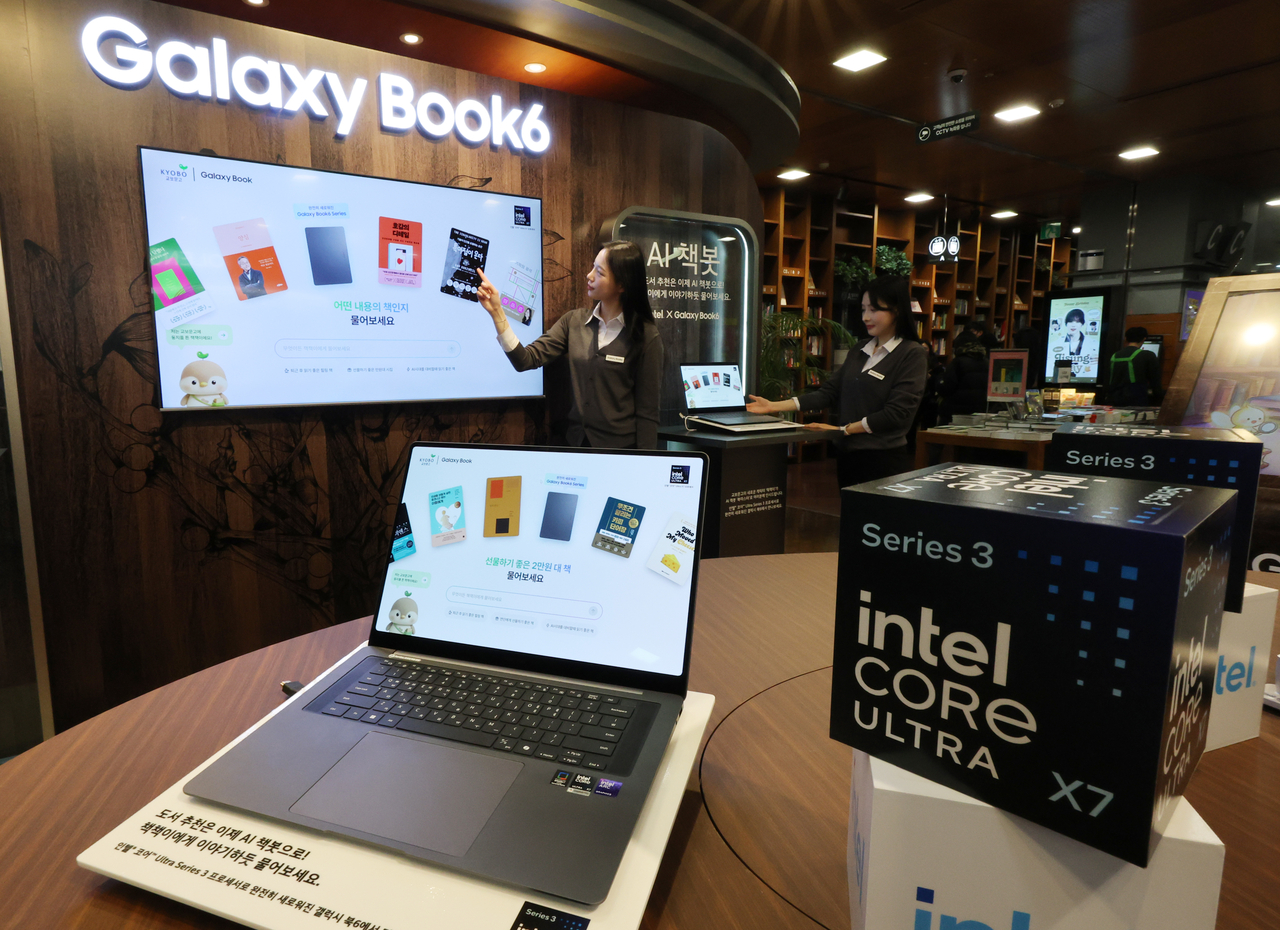
The impact is evident across popular models. Samsung’s Galaxy Book 6 Pro, for instance (32GB RAM, 1TB SSD, 16-inch configuration), now retails for 4.19 million won ($2,847) in South Korea. This marks a substantial increase from a comparable model priced at 2.81 million won last year. Samsung initiated its January launch prices significantly higher than previous generations and further added up to 900,000 won in a second increase this month. The premium Galaxy Book 6 Ultra now starts from 5.53 million won.
LG Electronics has mirrored this trend. The 2026 LG Gram Pro 16-inch laptop (16GB RAM, 512GB SSD) debuted in January at 3.14 million won, already approximately 500,000 won higher than its predecessor. By April, its price further escalated by 400,000 won, reaching 3.54 million won.
The pressure extends beyond laptops to the smartphone market. Samsung’s flagship Galaxy S26 series, launched in March, saw prices climb by approximately 100,000 won per model in South Korea and an additional $100 for the base and Plus variants in the United States. Furthermore, Samsung retroactively increased prices for its cutting-edge Galaxy Z Fold7 and Flip7 foldable smartphones in April.
The surge in memory costs is a primary driver. Historically, memory chips constituted 10 to 15 percent of a smartphone’s material costs, according to industry analyst TrendForce. This proportion has now dramatically escalated to 30 to 40 percent. For notebooks, TrendForce forecasts that the combined increase in memory and CPU prices could elevate the retail price of a mainstream $900 laptop by nearly 40 percent, assuming brands maintain their current profit margins.
Underlying component price data further illustrates this trend. Omdia reports a significant rise in 16GB DDR5 module prices, climbing from $72.20 in Q4 2025 to $119.20 in Q1 2026, with projections reaching $167.60 by Q4 2026. Complementing this, Counterpoint Research noted a staggering 80 to 90 percent quarter-on-quarter jump in broad memory prices during early 2026.
Unfortunately, relief from these escalating costs is not expected soon. The three major global DRAM producers—Samsung, SK Hynix, and Micron, collectively accounting for approximately 90 percent of worldwide DRAM production—are strategically shifting investment. Their focus is heavily channeled into developing high-bandwidth memory (HBM) essential for burgeoning AI applications, often at the expense of general-purpose memory chips required for standard smartphones and PCs.
Counterpoint estimates that to bridge the current supply-demand gap, an annual production growth rate of 12 percent would be necessary through 2027. However, current industry plans indicate a growth rate of only 7.5 percent, suggesting the shortage will persist.
In response to anticipated further price increases, many consumers and businesses are proactively purchasing devices. Global PC shipments in Q1 saw a 3.2 percent year-on-year rise, reaching 64.8 million units, according to Omdia data, indicating a rush to buy before costs climb even higher.
An industry official commented on this trend, stating, “This represents future demand being pulled forward. Once prices exceed critical psychological thresholds in the latter half of the year, we anticipate a significant contraction in spending across both private and public sectors.”
mjh