Incheon International Airport Soars: Q1 Revenue and Passenger Traffic Surge, Middle East Flights Recover
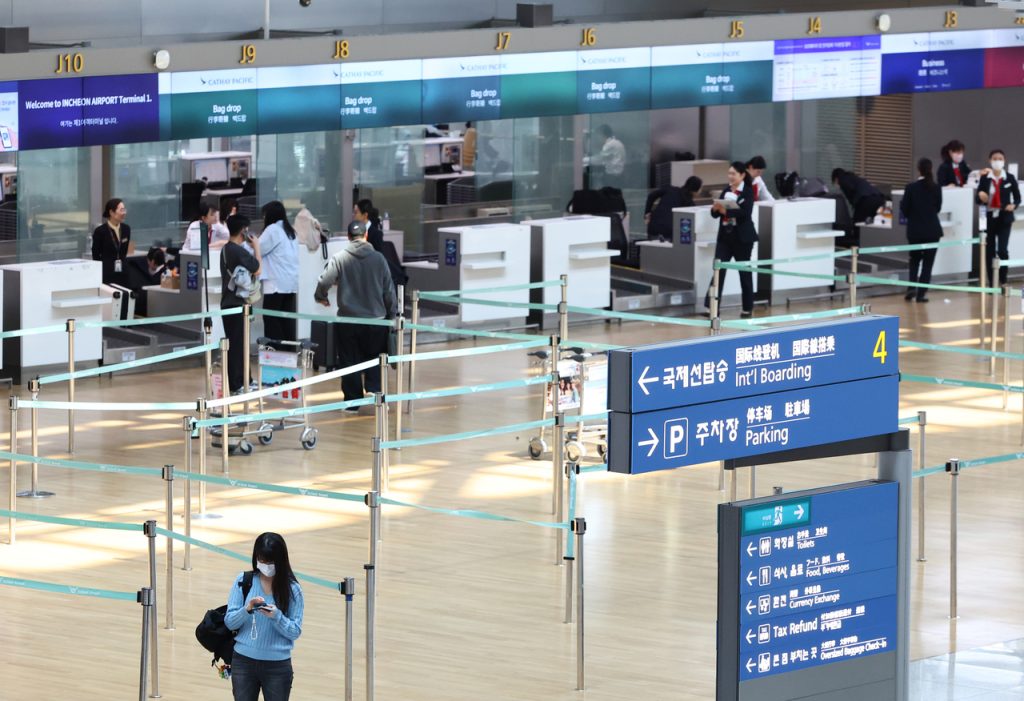
Incheon International Airport Corporation (IIAC) has reported a strong financial and operational performance for the first quarter, showcasing significant growth in revenue and passenger traffic. Despite facing currency headwinds from a weak won and persistent high oil prices, steady demand across key regional routes underpinned this positive outlook for South Korea’s premier gateway.
On Tuesday, the airport operator announced that its first-quarter revenue climbed by 5.4 percent year-on-year, reaching 706.8 billion won (approximately $480 million). Operating profit also saw an increase of 1.9 percent, totaling 230.2 billion won. The slower growth in profit compared to revenue was attributed to elevated outsourcing and depreciation expenses incurred during the period.
Overall passenger traffic at Incheon International Airport surged to 19.78 million in Q1, marking a robust 7 percent increase from the previous year. This impressive growth was primarily driven by resilient demand on popular Japan and China routes. However, this robust performance partially offset notable declines in traffic to Southeast Asia and the Middle East, which experienced reductions of 4.7 percent and 16 percent, respectively, largely due to escalating security concerns and a reduction in scheduled flights to these regions.
Beyond passenger services, cargo operations also demonstrated strength, with cargo volumes rising 2.4 percent to 712,000 metric tons. This increase was fueled by strong exports, particularly in high-value sectors such as cosmetics and semiconductors, underscoring Incheon Airport’s crucial role in global trade and logistics.
While the airport operator acknowledged that immediate passenger demand has not been significantly impacted by geopolitical tensions, including the ongoing conflict in the Middle East, it warned of potential disruptions in the near term. An IIAC official noted, “As of late February, passenger demand from full-service carriers has remained stable, but declines led by low-cost carriers have begun to emerge.”
Further concerns arise with the impending “Level 33” measures set to be implemented from May. These measures, reflecting the highest tier under the current system, translate to increased fuel surcharges for international tickets due to a sharp global rise in jet fuel prices. “If Level 33 measures are implemented from May, a further drop in passenger traffic is expected, especially impacting cost-sensitive travelers,” the official added.
Despite these challenges, there’s positive news regarding Middle East connectivity. The official confirmed that while “regular flights to the Middle East fell a substantial 78 percent in March from the previous month,” operations are actively recovering and have shown signs of improvement starting from April. This recovery is crucial for re-establishing key travel links and supporting regional connectivity.
Looking ahead, under a base-case scenario, Incheon International Airport Corporation projects continued growth, with passenger traffic expected to increase by approximately 2 percent in 2026, reaching 75.07 million passengers, up from an anticipated 73.56 million in 2025. This forecast highlights the airport’s optimistic long-term outlook for the aviation industry.
In a strategic move to diversify its revenue streams and enhance its aviation ecosystem, the airport operator also highlighted significant progress in its Maintenance, Repair, and Overhaul (MRO) initiative. This ambitious project is housed within the airport’s dedicated High Tech Aviation Complex.
Spanning an expansive 2.35 million square meters, the MRO project is designed to attract substantial aircraft maintenance and conversion operations by 2032. This initiative is forecasted to be a major economic driver, anticipating the creation of approximately 5,000 new jobs and generating roughly 1 trillion won in annual economic impact over the next decade for the region and the wider aviation industry.
IIAC has already secured one aircraft conversion facility and two maintenance facilities within the complex and plans to further expand by adding a painting hangar. Demonstrating immediate progress, the first aircraft, a Boeing 777, is scheduled to arrive later this month for conversion into a cargo plane, with its delivery expected by October, marking a significant milestone for the Incheon MRO hub.