South Korean Auto Conglomerate May Face ₩3 Trillion Bonus Payouts
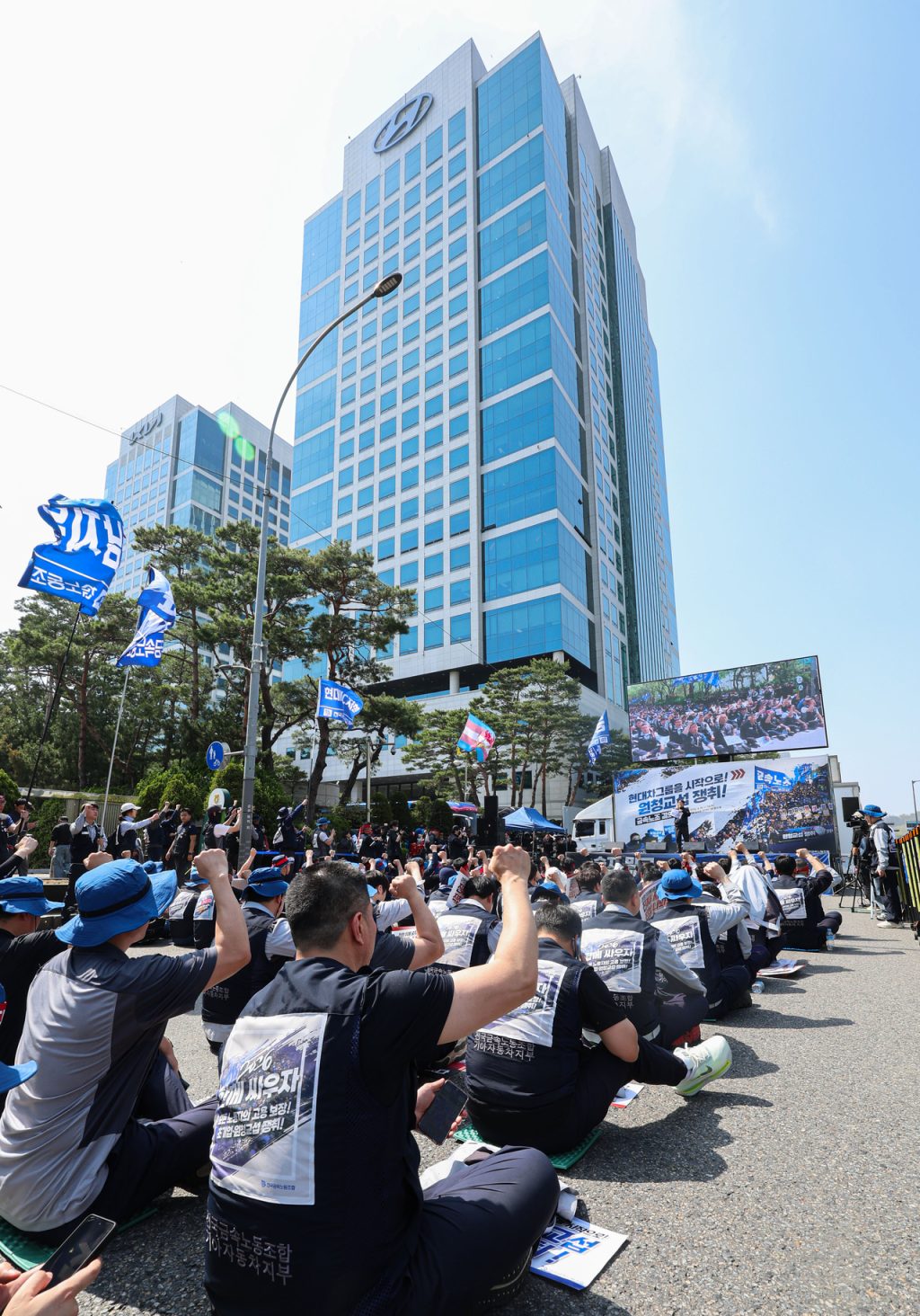
South Korea’s automotive giant, Hyundai Motor Group, faces a staggering demand for performance bonuses from its labor union, potentially totaling over 3 trillion won ($2 billion). This comes after the leading auto conglomerate reported a robust 10.36 trillion won in net profit for 2025, prompting the union to seek a payout equivalent to 30 percent of these impressive earnings.
The comprehensive proposal from the Hyundai Motor Group labor union, finalized just last week, extends beyond the substantial bonus demand. It also calls for a significant monthly base salary increase of 149,600 won, a boost in base pay bonuses from 750 percent to 800 percent, crucial job security measures addressing the rise of artificial intelligence, an extension of the retirement age to 65, and commitments for additional hiring.
Notably, the union’s demands stipulate that these performance bonuses, derived from last year’s net profit, should be equitably distributed not only among Hyundai Motor’s direct employees but also its partner firms.
This hefty demand from the powerful automotive labor union is not an isolated incident. It reflects a broader trend across South Korea, where major unions at the nation’s leading conglomerates (chaebols) are aggressively seeking substantial bonus payouts.
For instance, the labor union at tech titan Samsung Electronics has put forth a demand for performance bonuses equivalent to 15 percent of its operating profit, with no cap on this year’s earnings. With market analysts projecting Samsung Electronics to achieve an average of approximately 298 trillion won in operating profit, the company could potentially allocate nearly 45 trillion won towards employee bonuses.
Similarly, semiconductor giant SK hynix, following a labor-management agreement in September of last year, committed to allocating 10 percent of its operating profit towards bonuses. Given that the chipmaker’s operating profit is forecast to reach approximately 200 trillion won this year, its potential bonus pool could soar to 20 trillion won.
hwkan