
SK Group Chairman Chey Tae-won Predicts Persistent AI Memory Shortage Through 2027 Despite Capacity Expansion
SK Group Chairman Chey Tae-won highlights the severe global shortage of AI memory chips, noting that foreign governments are increasingly intervening to secure supply for their domestic industries. He warns that South Korea could soon face similar geopolitical pressure.
Chairman Chey also urged SK hynix to rapidly accelerate its memory capacity expansion both domestically and internationally. He described current memory prices as “abnormal,” cautioning that prolonged high prices could attract new competitors and trigger geopolitical retaliation against major chip exporters.
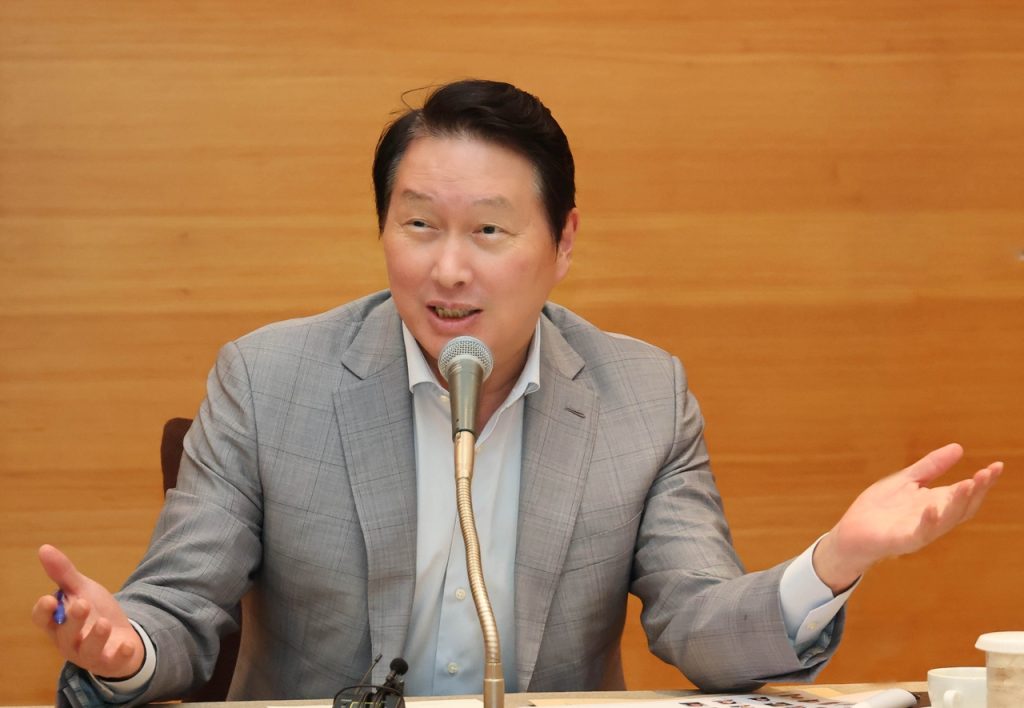
“Building where we can, as fast as we can, has almost become the lifeline of Korea’s semiconductor industry,” Chey emphasized during a press briefing at the 49th KCCI Jeju Forum, where he serves as chairman.
Illustrating the escalating demand, Chey revealed that customers project a 60 to 100 percent increase in AI memory requirements from SK hynix by 2027 compared to current levels. With AI now constituting over half of total semiconductor consumption, he estimates overall demand growth at a minimum of 50 to 60 percent. However, supply is severely lagging; Chey stated, “No company has meaningful new capacity coming online next year.”
This critical imbalance is particularly pronounced in High-Bandwidth Memory (HBM), the advanced stacked DRAM crucial for powering Nvidia’s AI accelerators. SK hynix maintained a dominant 58 percent share of the global HBM market by revenue in Q1 2026, according to Counterpoint Research, significantly surpassing competitors like Micron and Samsung, both at 21 percent. Industry demand for HBM has consistently outstripped supplier forecasts over the past two years.
The severe supply-demand gap, Chey noted, is fueling what he termed “near-chaotic lobbying” not just from corporate clients, but increasingly from foreign governments. These governments are now prioritizing memory access as a critical component of “economic security.”
“Right now, companies absorb the pressure. Governments will start pressuring other governments soon,” he cautioned, signaling an escalation of international tensions over chip supply.
Chey elucidated SK hynix’s expansion rationale from a long-term perspective. He argued that sustained high memory prices would ultimately harm Korean chipmakers. Such price hikes could lead to “chipflation” for PC and smartphone manufacturers, entice new market entrants drawn by high margins, and potentially provoke geopolitical retaliation, a risk other Asian exporters have previously encountered.
As an early indicator of this trend, he pointed to Tesla CEO Elon Musk’s expressed interest in chip manufacturing.
“Prices have to normalize,” Chey asserted, “Otherwise, the market shrinks and competitors flood in,” underscoring the necessity of stable pricing for market health.
SK hynix is actively accelerating its domestic expansion initiatives. The company fast-tracked the completion of the first clean room at its Yongin cluster to February 2027, three months ahead of schedule, and committed an additional 21.6 trillion won ($14.52 billion USD) in March this year. Furthermore, its Cheongju M15X plant is being converted into a dedicated DRAM base specifically for High-Bandwidth Memory production. A significant long-term expansion into South Korea’s southwest region, a joint undertaking with Samsung Electronics, is planned for the Gwangju military airfield.
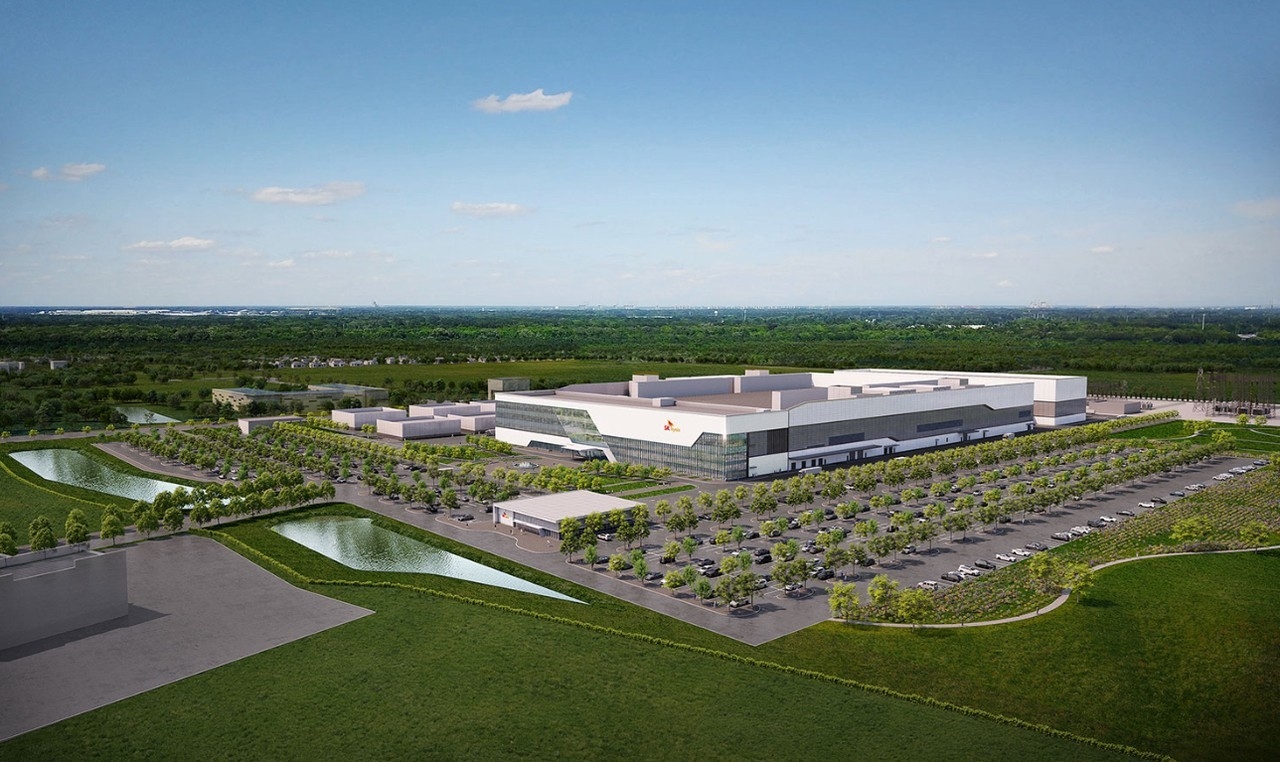
Beyond domestic efforts, SK hynix is globally evaluating potential fab sites, assessing them based on speed, scale, and the availability of essential resources like power, water, and land. US locations are actively under consideration, Chey confirmed, with decisions driven by strategic merit rather than as a concession to specific US demands.
Chey adopted a dismissive tone when questioned about US Commerce Secretary Howard Lutnick’s consistent advocacy for Korean chipmakers to invest in the United States. He noted Lutnick “has been this way” since the early Trump administration, stating, “The question is always the same: how much will you invest in the US, how much will you reshore. This time isn’t different.”
Currently, SK hynix’s sole confirmed US footprint is a $3.87 billion HBM advanced packaging and R&D facility in Indiana, announced in April 2024. This facility is dedicated to crucial back-end processes rather than front-end wafer fabrication.
mjh


