South Korea’s Finance Ministry announced Thursday that it is implementing stricter regulations on single-stock leveraged Exchange-Traded Funds (ETFs). These financial products, tracking the nation’s premier chipmakers, have been cited by regulators for exacerbating market volatility in the Korean stock market.
The new measures include a significant three-fold increase in the minimum cash deposit requirement for investors and a temporary halt on new listings of similar leveraged products.
This decisive action followed a critical meeting of South Korea’s leading financial policymakers, including the heads of the Finance Ministry, the Financial Services Commission (FSC), the Financial Supervisory Service (FSS), and the Bank of Korea. Officials collectively announced robust safeguards targeting single-stock leveraged ETFs tied to prominent tech giants Samsung Electronics and SK hynix.
Under these revised rules, the minimum deposit requirement for investors looking to engage with single-stock leveraged products will be substantially raised from the current 10 million won to 30 million won (approximately $20,300).
Previously, investors had the flexibility to meet the 10 million won requirement using cash or substitute securities like stocks, other ETFs, and bonds, which were recognized at 70 percent of their market value. However, the updated regulations stipulate that only pure cash deposits will now count towards fulfilling the increased requirement.
Currently, the Korea Exchange lists 16 single-stock leveraged ETFs linked to Samsung Electronics and SK hynix, which includes two inverse products. Authorities have declared a temporary suspension on all new listings of leveraged ETFs associated with individual stocks.
Further, regulators will impose a comprehensive ban on advertising for single-stock leveraged products. They will also strengthen requirements for liquidity providers to meticulously manage price deviations, a critical step aimed at preventing ETF prices from excessively diverging from the underlying value of their assets.
In addition, leveraged chip ETFs will now be subject to a minimum trading unit of 20 shares, a notable change from the previous one-share increment. This adjustment is widely expected to temper overall trading activity for these specific ETFs.
The higher minimum deposit requirement is scheduled to take effect in August, while the change concerning the trading unit size for these leveraged products is anticipated to be implemented in November.
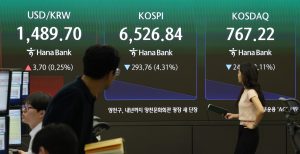
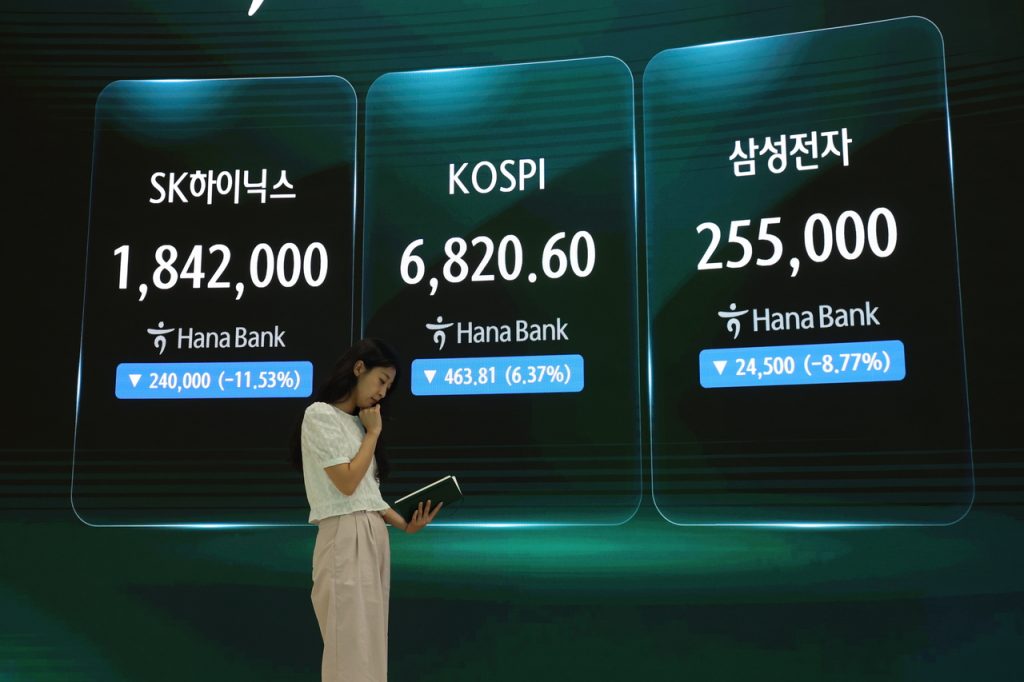
These stringent measures arrive as the Korean stock market navigates a period of heightened volatility. Leveraged chip ETFs have faced increasing scrutiny, with regulators frequently attributing them as a factor amplifying swings in the underlying shares of key industry players like Samsung Electronics and SK hynix.
The push for tighter oversight gained significant momentum on Wednesday when President Lee Jae Myung specifically ordered swift measures to address the concerns surrounding leveraged chip ETFs, reinforcing regulators’ ongoing efforts.
It’s important to note that local regulators initially approved these leveraged funds, linked to Samsung Electronics and SK hynix – South Korea’s two largest companies by market capitalization – as part of a broader strategy to deepen the domestic capital market. These products first became available for trading on May 27.
silverstar