
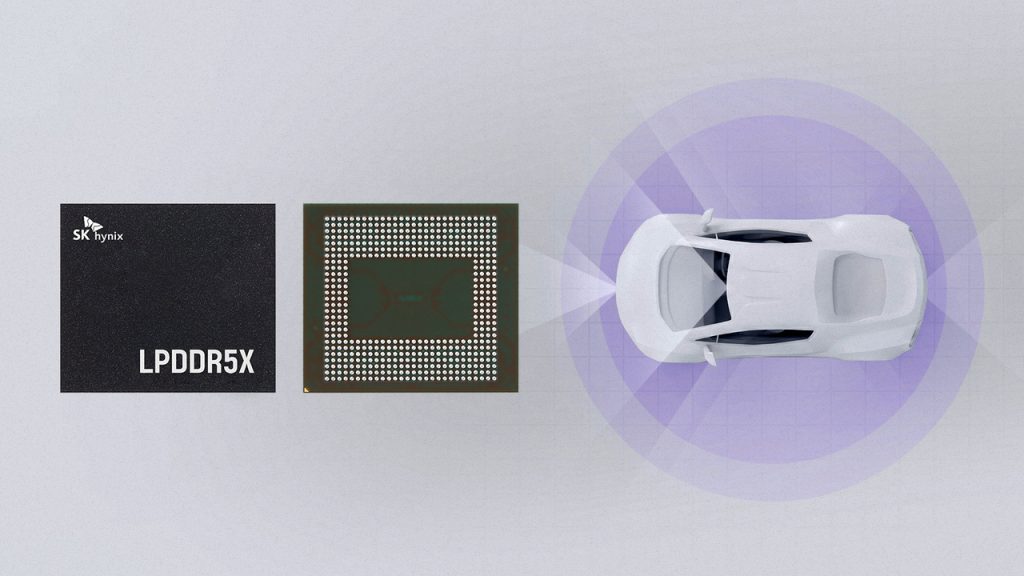
Samsung, SK hynix, Micron race to dominate automotive memory as AI drives demand, tightens supply
The automotive industry is rapidly emerging as the next significant growth market for memory chips. The three global leaders in memory supply – Samsung Electronics, SK hynix, and Micron Technology – are now intensely competing for leadership in this segment, where market dynamics are being reshaped by soaring AI-driven demand.
Modern vehicles now integrate a volume of memory comparable to that found in a laptop or desktop computer, far exceeding traditional automotive needs. Industry experts estimate that the infotainment system within Mercedes-Benz’s cutting-edge MB.OS platform utilizes 4 to 12 gigabytes of DRAM. Similarly, the cockpit computing system in BMW’s new iX3 electric SUV requires 16 to 24 gigabytes of memory. These figures only account for the dashboard; premium configurations incorporating advanced self-driving computers can push a vehicle’s total DRAM requirement close to 70 gigabytes.
This upward trend in automotive memory demand is accelerating. Micron CEO Sanjay Mehrotra noted during the company’s June 24 earnings call that vehicles equipped with Level 2+ autonomy or higher contain more than five times the combined memory and storage content of an average car.
Based on Micron’s internal estimates, L2+ autonomous vehicles are projected to account for over 20 percent of new car sales by 2026, increasing to more than 40 percent by 2030.
Consequently, the supply of certain automotive-grade memory parts is already constrained. Market research firm TrendForce reported Monday that contract prices for single-level cell (SLC) NAND, a highly durable flash memory critical for electronic control units and driver-assistance systems, are anticipated to surge by 120 to 170 percent in the second half of 2026, with further price hikes possible. This tightness is exacerbated as chipmakers redirect older production lines towards more profitable products, while automakers face lengthy retesting processes spanning months to meet stringent safety standards before integrating new memory components.
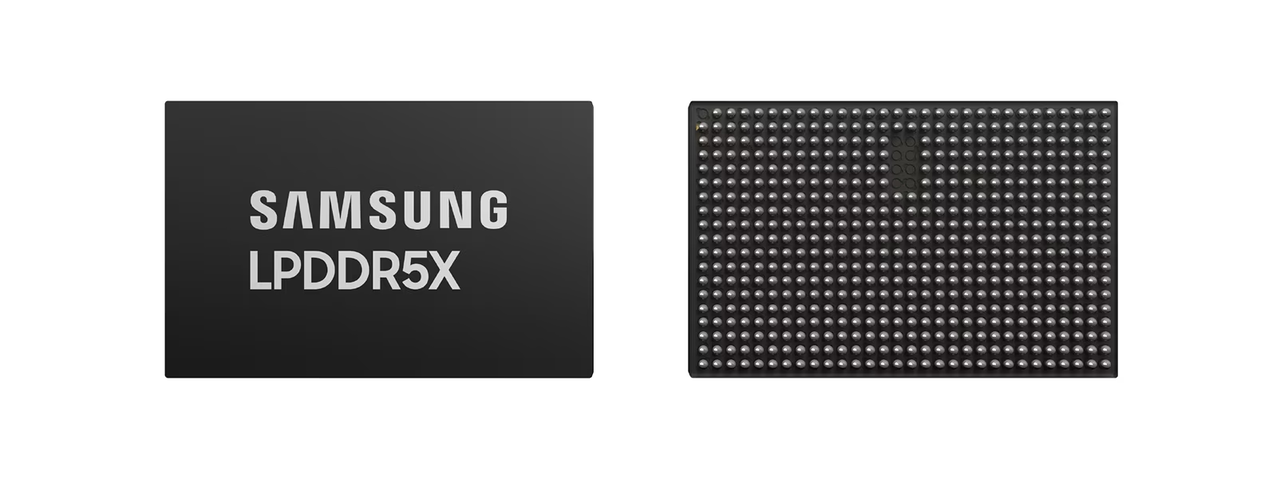
The competitive landscape within the high-end automotive memory market has also seen significant shifts. According to a May report by S&P Global Mobility, Samsung surpassed Micron last year to claim the top spot in automotive memory for the first time since its entry into the segment in 2015. Samsung’s market share grew from 35 percent to 40 percent in 2024, while Micron’s declined from 40 percent to 36 percent. Samsung’s gains were largely driven by robust sales of low-power DRAM and universal flash storage (UFS) to burgeoning Chinese electric-vehicle platforms.
SK hynix is actively advancing its certification efforts and developing next-generation automotive memory products. In January, the company announced that its automotive LPDDR5X achieved ASIL-D certification from TUV SUD, representing the highest functional-safety grade under the ISO 26262 standard. At the Mobile World Congress in March, SK hynix unveiled an automotive LPDDR6 built on its advanced 1c-node process, alongside new Auto UFS 3.1, eMMC 5.1, and vehicle SSD solutions.
Micron, meanwhile, has focused on securing key customer partnerships. The company signed long-term supply agreements with General Motors on July 1 and Ford on July 6. Although specific contract lengths or volumes were not disclosed, Reuters characterized the GM deal as a proactive measure for supply security, noting S&P Global Mobility data indicating a roughly 70 percent increase in automotive DRAM prices since December. Micron’s automotive and embedded segment reported record revenue of $4.6 billion (approximately 6.86 trillion won) last quarter.
“Delivering next-generation vehicles at scale requires a resilient and closely aligned supply chain,” stated GM Chair and CEO Mary Barra, emphasizing the importance of strategic partnerships.
The broader macroeconomic environment is intensifying these challenges. SK hynix CEO Kwak Noh-jung told Reuters on Friday that 2027 is projected to be the most severe year for memory supply in the industry’s history, with customer demand likely to exceed his company’s production capacity well beyond 2030. This crunch is largely due to massive AI server buildouts absorbing a significant portion of the industry’s advanced DRAM capacity. Furthermore, lengthy validation cycles for automotive components limit how quickly automakers can switch suppliers when market conditions change, further complicating supply chain management.
mjh


