South Korea Elevates 2026 Economic Growth Forecast to 3%, Seeks to Sustain Semiconductor Boom for Long-Term Prosperity
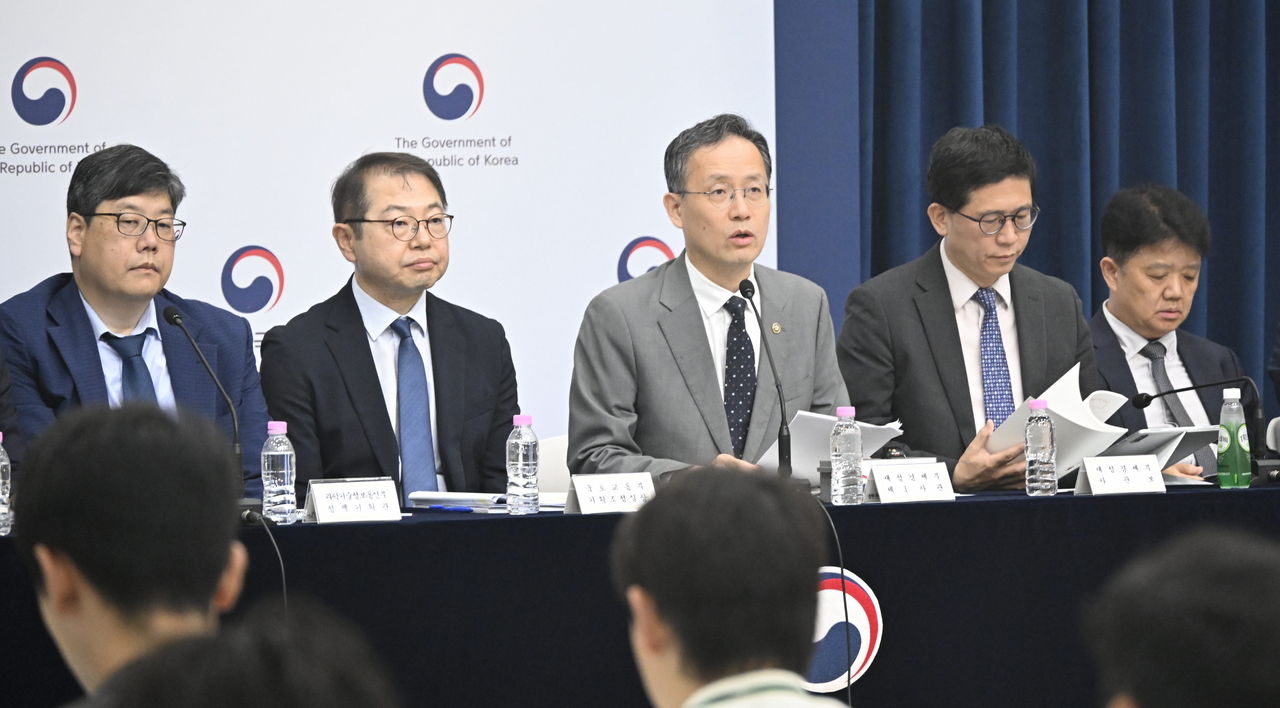
In a significant economic update, South Korea announced on Tuesday a revised 2026 economic growth forecast, elevating it from an earlier 2 percent to an ambitious 3 percent. This optimistic outlook is underpinned by comprehensive government strategies aimed at transforming the current robust semiconductor boom into sustained long-term growth for the nation’s economy.
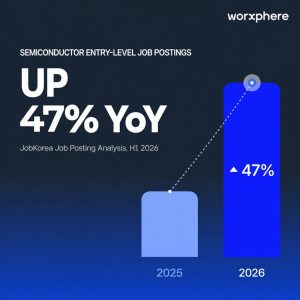
Bolstering this positive forecast, the South Korean government anticipates nominal Gross Domestic Product (GDP) to expand by an impressive 12.3 percent this year, marking the fastest growth rate in three decades. Propelled by surging semiconductor shipments, national exports are projected to soar by 40 percent. Furthermore, the current account surplus is expected to more than double, reaching a record-breaking $290 billion, solidifying the nation’s strong trade performance.
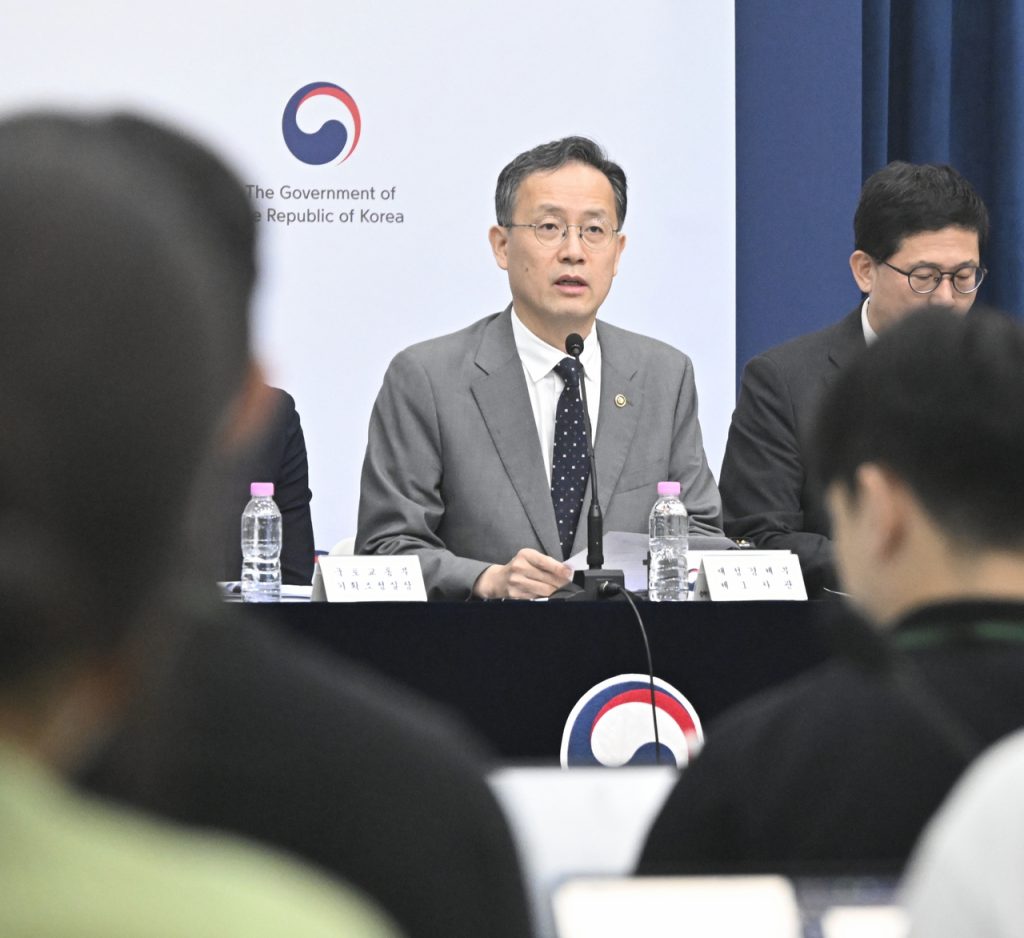
Highlighting the driving forces behind this economic resurgence, First Vice Finance Minister Lee Hyoung-il stated during a recent briefing, “The primary catalyst for this remarkable economic shift is the exports fueled by the robust semiconductor boom.” He added, “Our projections also incorporate clear indications that companies are accelerating facility investments, recognizing the strengthening chip industry upcycle.”
Reflecting increased confidence in the investment landscape, the South Korean government significantly elevated its forecast for facility investment growth to 5 percent, a substantial rise from the just over 2 percent projected in January as part of its dynamic economic policies.
Navigating South Korea’s Economic Outlook: Sustaining Growth Beyond the Current Boom
Despite this stronger economic outlook, policymakers acknowledge lingering challenges, particularly an uneven recovery across sectors. Employment is projected to increase by 150,000 this year, slightly under the previous forecast of 160,000, primarily because a significant portion of the growth is concentrated in capital-intensive semiconductor manufacturing. Furthermore, inflation is now projected at 2.6 percent, an increase from the earlier 2.1 percent estimate.
Looking ahead, the government anticipates a moderation of the current boom. Economic growth is forecast to slow to 2.2 percent in 2027, with export growth easing sharply to 1 percent as the exceptionally strong semiconductor prices and shipments gradually normalize from their peak levels.
Officials stressed that a key economic challenge lies in ensuring the current chip industry upcycle translates into a lasting legacy of economic strength, rather than merely becoming another temporary export-driven rebound. The focus is on achieving sustainable growth.
South Korea’s Strategic Investments: Fueling Future Growth with Semiconductors and AI Innovation
To achieve these ambitious goals for long-term economic prosperity, the South Korean government has unveiled its “3-4-5 Vision.” This strategic blueprint aims to elevate Korea’s potential growth rate to 3 percent, position the nation as one of the world’s four largest exporters, and boost per capita Gross National Income (GNI) to $50,000. While a specific timetable for the 3 percent potential growth rate was not set, officials confirmed that the export and income targets remain well within reach by 2030, provided current positive economic trends persist.
Central to this forward-looking strategy are three transformative, large-scale investment projects. These key initiatives span the critical sectors of advanced semiconductors, cutting-edge artificial intelligence (AI) infrastructure, and innovative industrial AI applications, driving South Korea’s technological leadership.
The comprehensive semiconductor plan outlines an ambitious goal: doubling South Korea’s chip production capacity within the next five years. This will be achieved through a massive 800 trillion won ($537.5 billion) investment dedicated to establishing four new fabrication plants in the southwest region. An additional 156 trillion won is earmarked for developing a world-class high-bandwidth memory and advanced packaging cluster in the Chungcheong region, solidifying Korea’s position in global chip manufacturing.
Concurrently, the government is committed to building a robust AI ecosystem, aiming to establish 8.4 gigawatts of AI data center capacity with a substantial 550 trillion won investment, alongside securing approximately 50,000 graphics processing units (GPUs). A distinct physical AI initiative will further propel the widespread deployment of AI technologies across key industries, including smart factories, advanced robotics, autonomous automobiles, and modernized shipbuilding operations.
While the majority of this significant investment is expected to originate from the private sector, the government will play a crucial facilitative role, supporting these strategic projects through essential infrastructure development, innovative financing mechanisms, robust research and development (R&D) support, and critical regulatory reforms. Officials underscored that the overarching goal is to effectively transform the current semiconductor windfall into sustained, long-term gains in national productivity and substantial capital investment across the economy.
Cultivating Long-Term Economic Growth: Beyond the Semiconductor Boom
To further bolster this ambitious economic expansion and ensure a strong talent pipeline, the South Korean government plans to broaden visa and residency pathways. This initiative specifically targets highly skilled foreign national scientists, researchers, and graduates, aiming to attract 2,000 such professionals by 2030 to contribute to the nation’s innovation and growth.
A key component of this comprehensive strategy also involves expanding the mandate of the Korea Investment Corporation (KIC). This will be achieved by establishing a dedicated strategic investment account within the sovereign wealth fund. This new account is designed to provide essential long-term equity financing for critical strategic industries, vital infrastructure projects, and robust overseas supply chains, operating distinctly from KIC’s traditional foreign reserve management operations.
To enhance overall economic resilience and safeguard against future shocks, the government will implement a robust four-pillar supply chain framework. This comprehensive approach encompasses strengthening domestic production capabilities, strategic stockpiling of critical resources, optimizing overseas production networks, and promoting broad import diversification. Additionally, the government’s economic package includes 14.9 trillion won in emergency financing specifically for small and medium-sized businesses (SMEs) impacted by the weak won, coupled with expanded refinancing support for heavily indebted small business owners, ensuring broader economic stability.
Looking strategically beyond the immediate economic cycle, the South Korean government plans to allocate additional tax revenue generated by the anticipated semiconductor boom in 2026 and 2027 into a newly established Future Response Fund. Scheduled for launch in the third quarter, this innovative fund will make targeted investments in key areas such as youth development, emerging next-generation industries, balanced regional development, and advanced education initiatives. This forward-thinking approach aims to effectively convert today’s export windfall into sustainable, longer-term economic growth and national prosperity.
jwc