Tech giant retreats from low-margin markets while expanding AI across products, manufacturing
Samsung Electronics recently concluded its semi-annual strategy meetings, outlining a comprehensive plan to revitalize its consumer products business. The core of this strategy involves a significant investment in artificial intelligence (AI) and a strategic withdrawal from low-margin markets, aiming to bolster a division currently overshadowed by its highly profitable semiconductor operations.
These pivotal meetings, held on Tuesday and Wednesday at Samsung’s Suwon, Gyeonggi Province campus, were led by co-CEO Roh Tae-moon. As the head of the Device eXperience (DX) division, which encompasses Samsung’s crucial smartphone, visual display (TV), and home appliance businesses, Roh guided discussions across these key units. Samsung convenes these sessions every June and December, bringing together senior executives and overseas subsidiary leaders to review current operations and define medium-term strategic directions.
The semiconductors division was slated to conduct its independent strategy session on Thursday.
This particular round of meetings carried heightened importance due to the growing financial disparity within Samsung. In the first quarter, the chip division recorded an impressive 53.7 trillion won ($35.2 billion) in operating profit, contributing approximately 94 percent to the group’s record 57.2 trillion won overall. In stark contrast, the devices division experienced a notable decline, with its quarterly profit slipping from 4.7 trillion won a year earlier to just 3 trillion won, even as revenue remained stable.
Market perception has further amplified this imbalance. A late-May valuation by Mirae Asset Securities revealed that Samsung’s devices business constituted a mere 2.6 percent of the company’s total enterprise value. This represents a drastic drop from 42 percent just ten months prior, with the chip business now accounting for the vast majority of Samsung’s valuation.
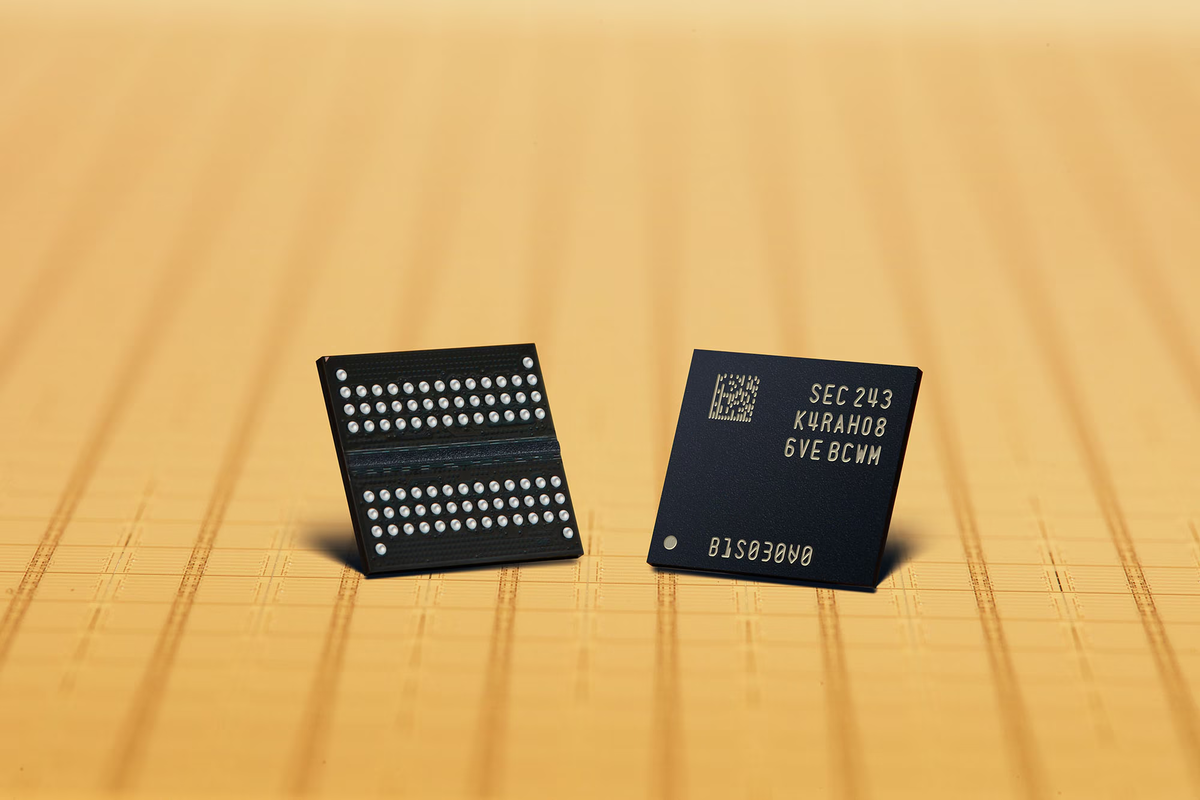
This financial pressure on the devices segment is partly self-inflicted. The very memory boom that is propelling the chip division’s success has simultaneously driven up the cost of essential components for the devices business. According to TrendForce, contract prices for commodity DRAM surged by 90 to 95 percent in the first quarter compared to the previous quarter. When combined with softening consumer demand and intense price competition from Chinese manufacturers, DS Investment & Securities now projects that Samsung’s TV and appliance operations could face an operating loss of 326 billion won this year.
Management’s strategic response involves two key components, with the more immediate and tangible being a market retreat. In May, Samsung ceased sales of TVs and home appliances in mainland China, concluding a market presence that spanned 34 years. This strategic pullback extends beyond China; the home appliance unit is reportedly outsourcing the production of certain lines, such as dishwashers and microwave ovens, to external manufacturers and has closed a long-standing production plant in Malaysia. The overarching objective is to discontinue low-margin products and sharpen the focus on premium offerings.
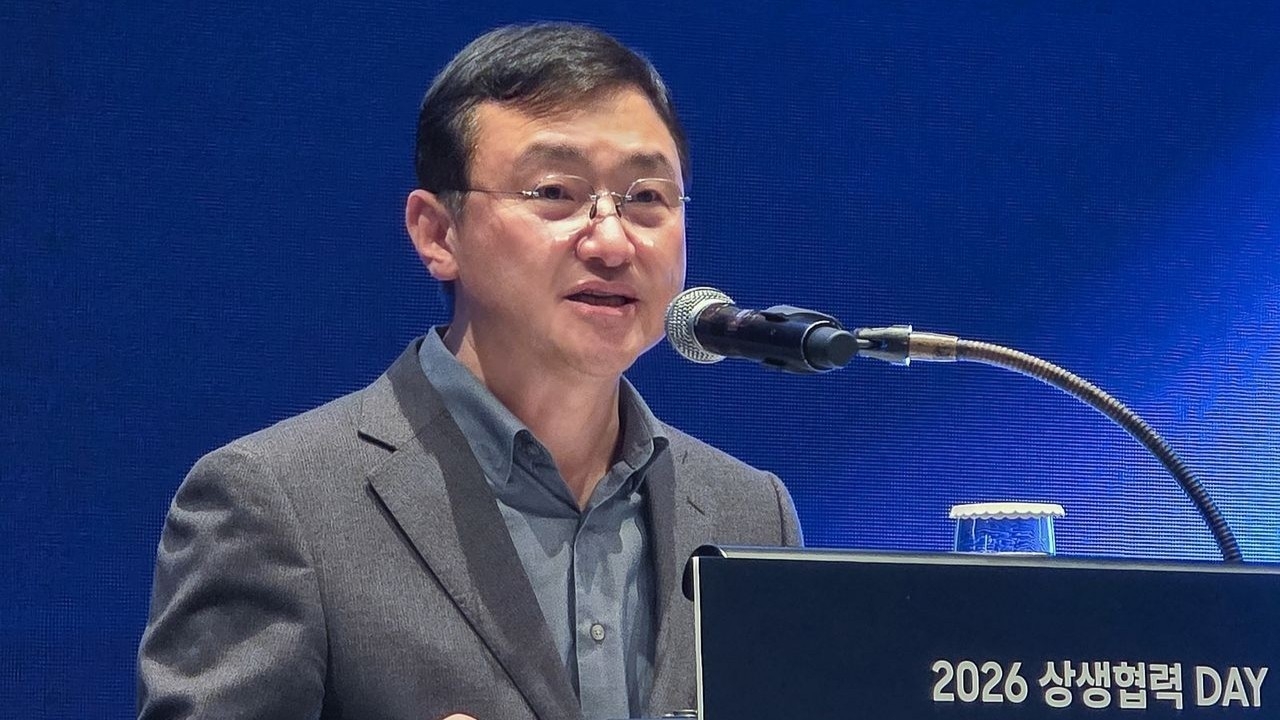
A clear indication of the division’s future strategic direction can be seen in the leadership of the TV unit.
In May, Samsung appointed Lee Won-jin to lead its visual display business, marking the first time in approximately two decades that a non-engineer has held this role. Lee’s background includes experience at Google and Adobe, and he was instrumental in developing the successful Samsung TV Plus streaming service. He advocates for Samsung to evolve into an “AI full-stack company,” encompassing everything from foundational chips to comprehensive services. This vision signifies a pivot away from isolated hardware sales towards a greater emphasis on software solutions and generating recurring revenue through advertising and streaming platforms.
The second integral part of Samsung’s strategy is a broad and ambitious expansion into artificial intelligence.
As of June 12, employees within the devices division began incorporating external generative AI tools like ChatGPT, Gemini, and Claude into their daily workflows. Looking further ahead, Samsung aims to transform all its global production plants into “AI-driven factories” by 2030. This ambitious goal involves utilizing digital-twin simulations—virtual replicas of actual production lines—to meticulously test and optimize every aspect of manufacturing, from initial materials intake to final product shipment.
mjh