South Korea’s Central Bank Poised for Rate Hike Amid Inflation and Fed Pressure to Bolster Won
The US Federal Reserve recently signaled a more aggressive interest-rate path by keeping its benchmark rate unchanged while adopting a hawkish tone. This move significantly increases pressure on the Bank of Korea (BOK) to pursue monetary tightening measures, primarily to combat persistent inflation and strengthen the Korean won.
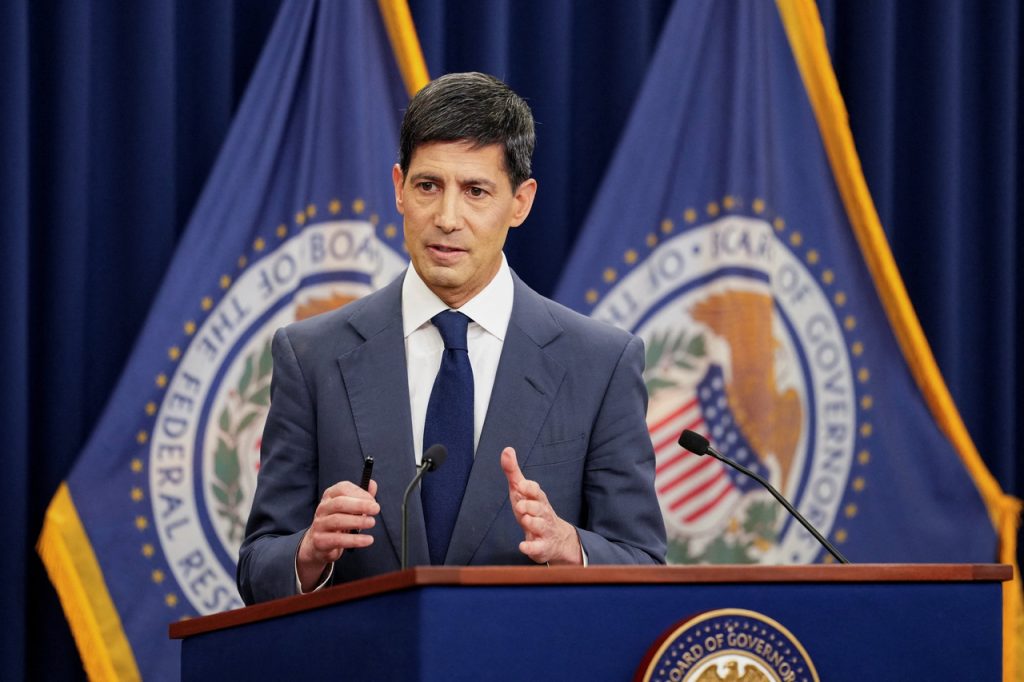
The US central bank maintained its target federal funds rate at 3.5-3.75 percent. However, its hawkish guidance, citing persistent inflationary pressures, strongly signals a higher rate path for the future. This guidance is expected to reinforce the already widespread market expectation that the BOK will raise its benchmark rate by 0.25 percentage point at its upcoming July policy meeting.
Over recent weeks, Bank of Korea Governor Shin Hyun-song has consistently indicated the potential for tightening monetary policy. Reinforcing this message at an inflation-focused meeting on Wednesday, he stated, “We will take proactive measures until we are confident that inflation will stabilize at the target level.”
This firm stance from the BOK comes amidst ongoing inflationary pressures. Consumer prices are projected to hover around 3 percent in the second half of the year, remaining above the central bank’s 2 percent target, even following an interim ceasefire agreement in the Middle East.
Should the BOK proceed with a 0.25 percentage point benchmark rate increase next month, as widely anticipated by financial markets, it would mark the first rate hike since May 2025. The previous policy adjustment saw the rate cut from 2.75 percent to 2.5 percent, ending a year-long hiatus.
Currently, the interest rate differential between Korea and the US stands at 1.25 percentage points, based on the upper bound of the Fed’s target range. If the BOK were to hold its rates steady while the Fed implements a 0.25 percentage point hike, this gap would widen further to 1.5 percentage points. The rate differential has consistently favored the US for nearly four years, ever since US policy rates surpassed Korea’s benchmark rate in 2022.
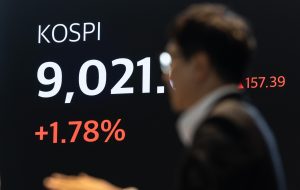
A widening interest rate differential is likely to exert additional downward pressure on the Korean won, which is already experiencing significant strain against the US dollar. The won opened at 1,524.2 per dollar on Thursday, weakening by 10.8 won from the previous session, reflecting the greenback’s strengthening following the Fed’s more hawkish announcement.
BOK Senior Deputy Governor Ryoo Sang-dai, speaking at a meeting held Thursday, noted, “The Federal Reserve has signaled the possibility of raising interest rates to address inflationary pressures at its overnight meeting, following recent rate hikes by the European Central Bank and the Bank of Japan.” He further added, “A significant shift in the monetary policy stance of major global economies is becoming increasingly visible.”
Financial markets are increasingly factoring in the possibility of multiple rate hikes this year from the BOK. Ahn Ye-ha, an analyst at Kiwoom Securities, commented, “The BOK is expected to raise its benchmark rate in both July and October, elevating the policy rate to 3 percent by the end of the year.”
silverstar