Poor communication, pricey stays, scalping draw complaints among global BTS audience
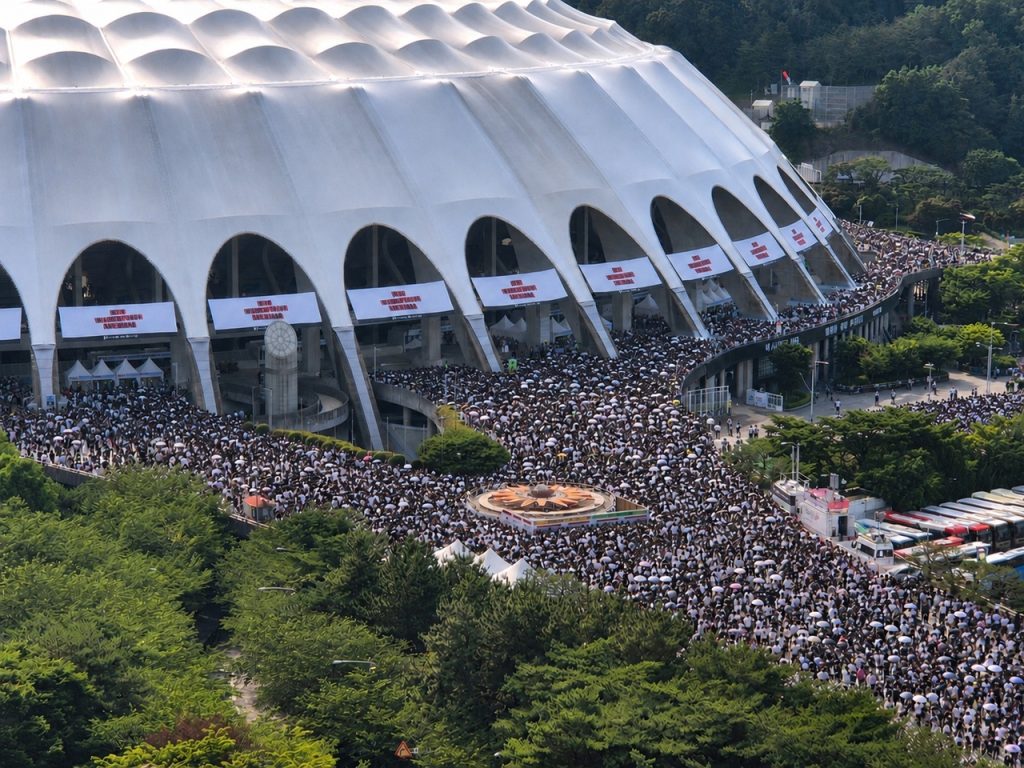
Global K-pop sensation BTS captivated approximately 220,000 fans across two sold-out concerts at Busan Asiad Main Stadium this past Friday and Saturday. These highly anticipated performances were a key part of their ongoing “Arirang” world tour, drawing a massive international audience to Busan.
Despite concluding without major safety incidents, the mega-event highlighted persistent challenges often associated with large-scale K-pop concerts. Foremost among these concerns were issues like inefficient crowd management, exorbitant accommodation pricing, and rampant illegal ticket resales, all of which drew significant criticism from attendees.
The most pressing controversy unfolded on opening night when the concert experienced an approximate 75-minute delay in its start, largely attributed to chaotic audience entry procedures.
Hybe, the group’s agency, detailed multiple contributing factors to the delay. These included widespread confusion regarding on-site guidance, significant congestion at fan gift distribution areas, and bottlenecks in merchandise and package collection processes.
Concert attendees widely reported extensive queues and considerable difficulty navigating the vast venue. Many took to social media, sharing experiences of staff appearing disoriented and lacking inter-communication methods for providing directions within the stadium. A recurring point of contention was the noticeable absence of adequate multilingual guidance, a critical oversight given the substantial international audience.
“The BTS Busan concert attracted a large number of international attendees, yet many crucial announcements were made exclusively in Korean,” one attendee lamented online. “Korean-speaking fans frequently had to step in to translate vital information for overseas visitors, highlighting a significant communication gap.”
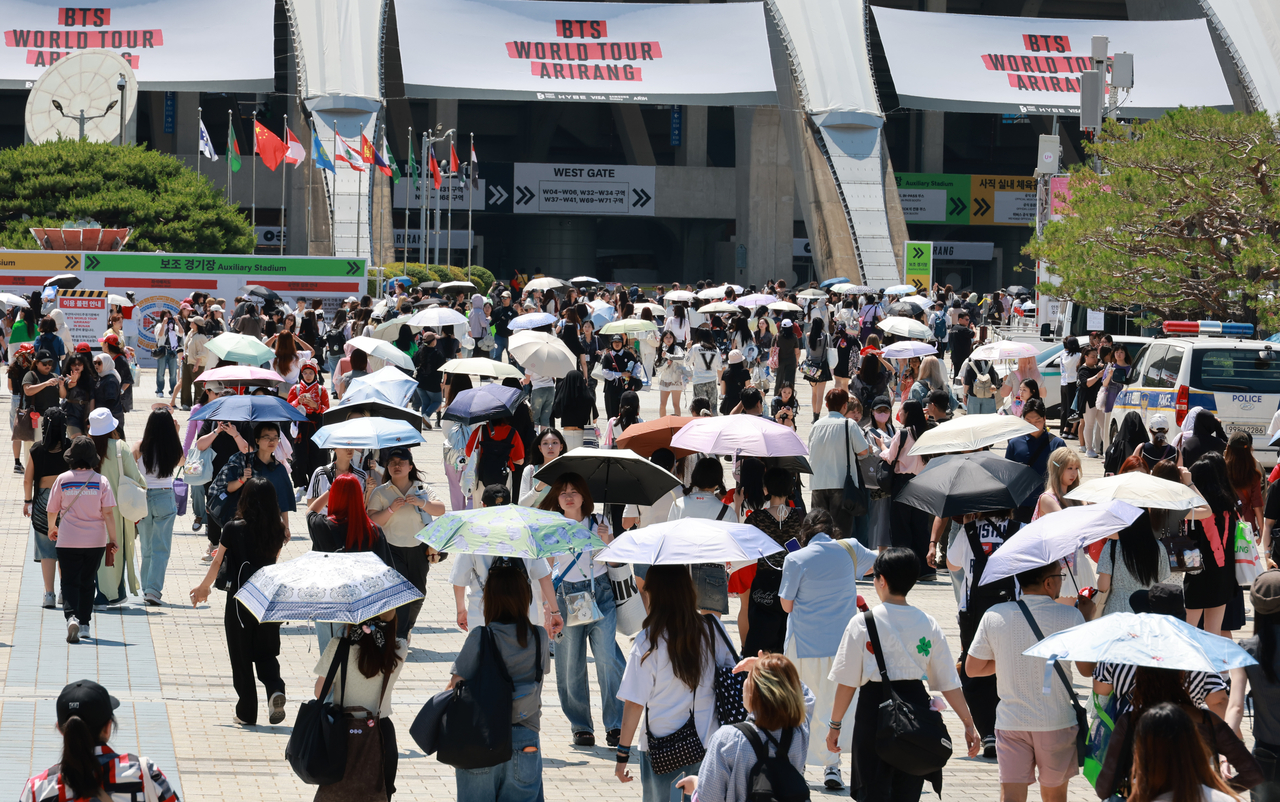
These considerable entry delays occurred despite a massive safety operation involving an estimated 3,000 personnel, encompassing event staff, local government officials, police officers, firefighters, and various public agency employees. This extensive deployment underscores the severity of the organizational challenges faced.
Beyond the operational shortcomings within the venue, a wave of accommodation-related complaints also plagued attendees, particularly in Busan, leading up to the concerts.
Startling data from the Korea Tourism Data Lab reveals Busan was the source of 185 out of 368 nationwide tourism-related complaints filed in May, accounting for over half of all such reports. Crucially, more than 80 percent of these complaints originated from foreign visitors, underscoring the international scope of the problem.
Accommodation-related grievances constituted the overwhelming majority of these cases, with reports frequently detailing unilateral reservation cancellations, exorbitant cancellation fees, and sudden, drastic price increases, severely impacting concertgoers’ travel plans.
A joint survey conducted earlier this year by the Korea Fair Trade Commission and the Korea Consumer Agency painted a stark picture: average accommodation prices near the concert venue during the BTS concert weekend soared to 2.4 times higher than typical weekend rates. Alarmingly, some properties were found to have inflated prices by as much as 7.5 times their usual charges.
This issue of price gouging is not unprecedented in Busan. Similar grievances surfaced during BTS’ “Yet To Come in Busan” concert in 2022, and such problems have periodically plagued other major events hosted in the city. However, the sheer scale of complaints this year has reignited urgent calls for robust consumer protection measures, particularly during high-profile tourism events.
The persistent challenge of illegal ticket resales, or scalping, also marred the BTS Busan concert experience.
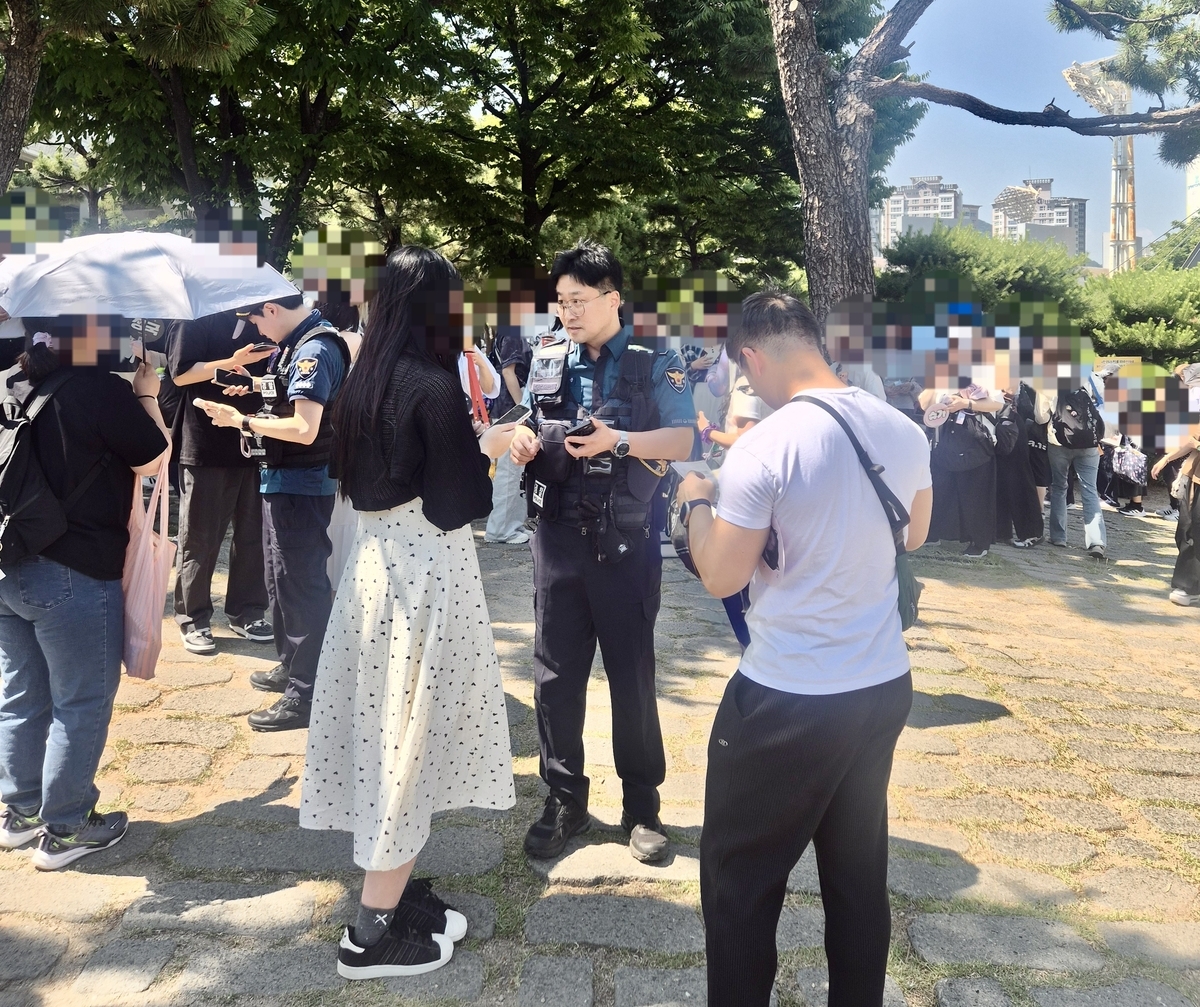
Busan police reported intercepting 10 distinct scalping cases, involving 11 individuals, during intensive enforcement operations conducted around the stadium. Authorities highlighted egregious instances where tickets originally priced at 220,000 won were illegally resold for staggering amounts, reaching up to 680,000 won.
Investigators noted that the majority of these illicit transactions involved the transfer of concert wristbands between buyers and sellers after official entry credentials had already been issued, a common tactic used by scalpers.
“Illegal ticket resales significantly undermine K-pop’s global reputation and jeopardize the integrity of a healthy concert culture,” stated an official from the Busan Metropolitan Police Agency. The agency affirmed its commitment to ongoing crackdowns at all major concerts and sporting events to combat this pervasive issue.