AI Memory Boom: Southwest Korea Eyes Semiconductor Investment, But Samsung & SK Hynix Weigh Pragmatic Challenges
Across Korea’s southwestern regions, local politicians have recently signaled potential major investments from the nation’s two leading chip giants. However, both Samsung Electronics and SK hynix maintain they have no knowledge of such plans, creating a palpable tension between regional aspirations and corporate caution within the booming AI memory sector.
The speculation gained significant traction on June 6, when Min Hyung-bae, the incoming leader of the new unified Gwangju region, indicated at a public forum that the Prime Minister had quietly shared news of “something coming.” This “something” was widely interpreted as a share of the burgeoning semiconductor industry boom, which has propelled both Samsung and SK hynix to record successes.
Despite the lack of official confirmation from either semiconductor firm, expectations for new investments in the southwest continue to grow.
Chip Giants Deny Knowledge of Southwest Investment Plans
For an unconfirmed investment, the reported details are remarkably precise. Samsung Electronics is rumored to have “virtually settled” on Gwangju’s Cheomdan 3 district, while SK hynix is reportedly evaluating sites in Gwangju and the nearby Muan area for potential expansion.
These developments would mark a significant first for the region, which has historically not hosted a major Samsung or SK hynix semiconductor manufacturing or packaging facility.
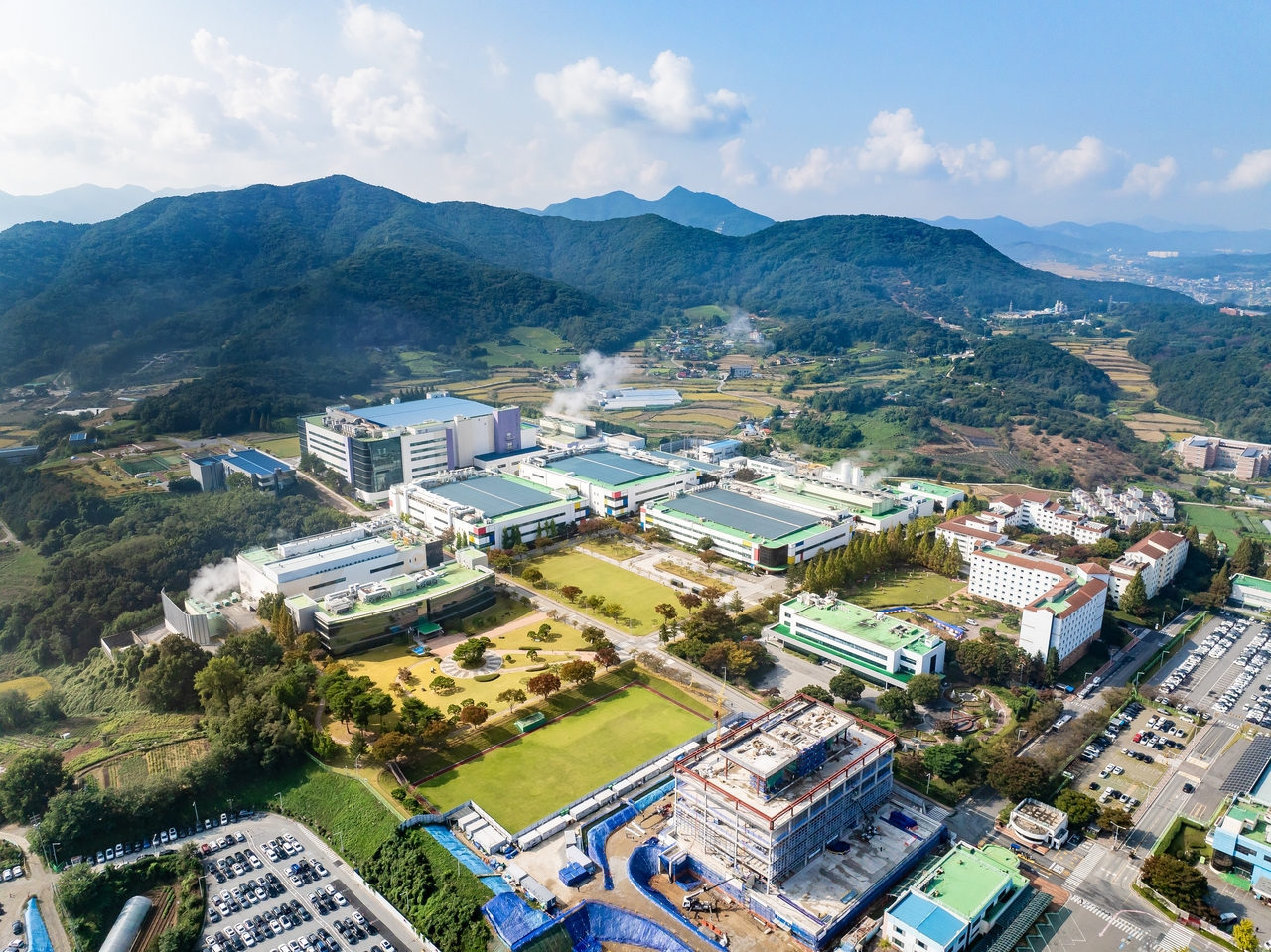
Meanwhile, tangible progress is already visible with Amkor Technology Korea, a global chip packaging leader, expanding its existing Gwangju plant. The firm is investing approximately 1 trillion won ($661 million) to meet increased back-end orders, including those from Taiwan’s TSMC. This suggests a growing chip packaging hub is indeed taking shape in the region, regardless of the larger Korean players’ announcements.
Local media reports have frequently outpaced corporate statements, with one outlet declaring Samsung’s Gwangju site “effectively confirmed,” and another identifying Cheomdan 3 as the leading candidate. Samsung, however, consistently responds with “knows nothing” regarding these reports.
Political Push for Regional Semiconductor Investment
The underlying demand for expansion is undeniable. The global AI boom is driving intense competition among chipmakers like Samsung and SK hynix to ramp up production of high-bandwidth memory (HBM), essential for next-generation AI servers. Semiconductor manufacturing typically involves two main stages: the energy-intensive “fab” for circuit etching, and the comparatively lighter “packaging” process for assembly and testing. Reports indicate the southwest is primarily being considered for packaging facilities, not full-scale fabs.
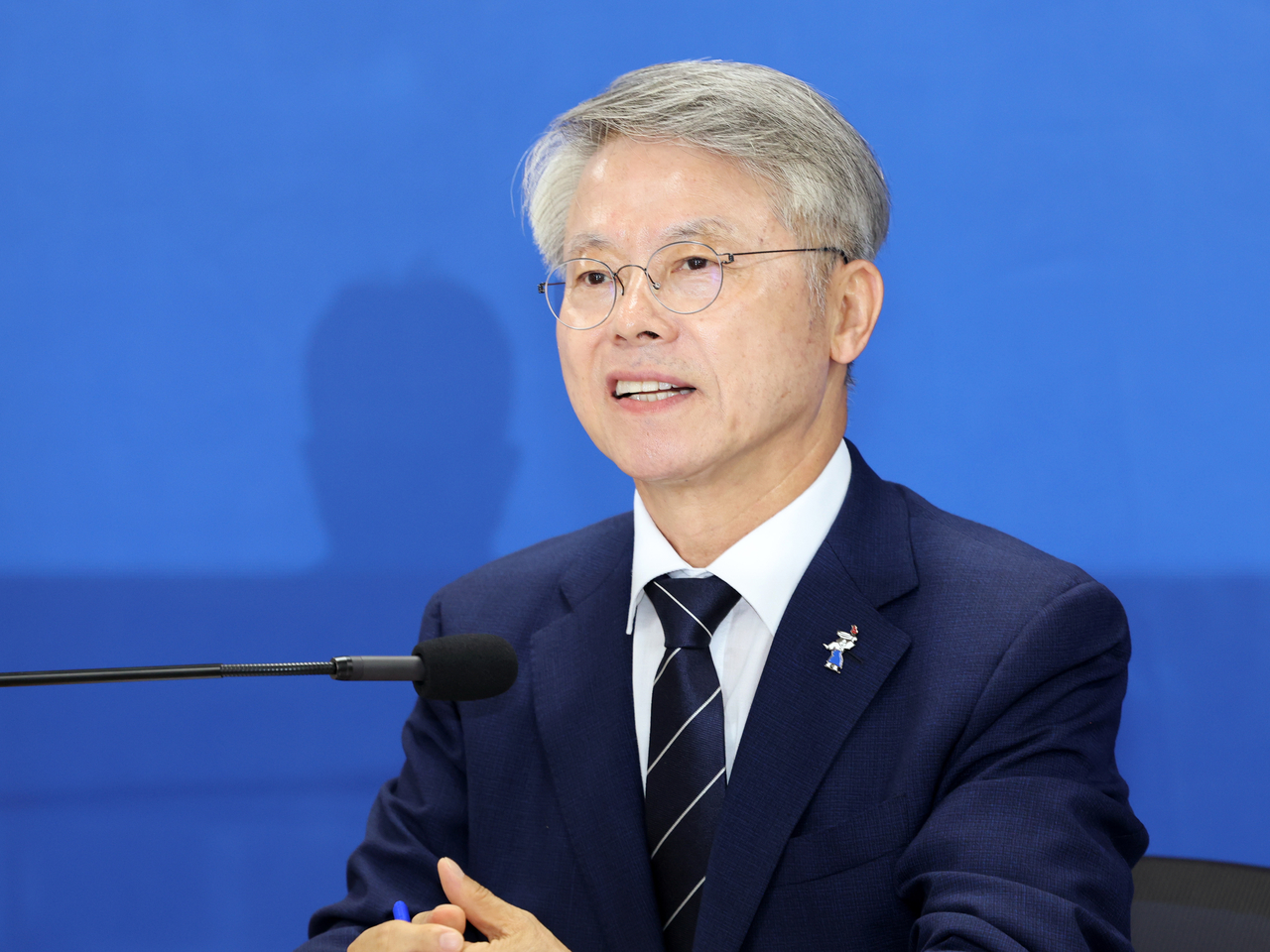
The Korean government strongly supports any such moves. Following June’s local elections, the administration has intensified its efforts to decentralize high-value industries away from the congested capital region. Prime Minister Kim Min-seok recently assured newly elected regional leaders, including Min, of “drastic financial support” to encourage greater corporate investment outside the Seoul metropolitan area.
President Lee Jae Myung echoed this sentiment at his first-anniversary press conference last week, suggesting that energy-intensive industries could operate more cost-effectively in regions like the southwestern provinces.
However, the leaders of Korea’s powerful chaebols express greater caution. At a recent Tokyo forum, SK Chairman Chey Tae-won emphasized that the company would build facilities only “where power, water, land, and people are all in place,” warning that “if it can’t be done in Korea, we may have to go abroad.”
Challenges and Considerations for Southwest Chip Manufacturing Expansion
Chairman Chey’s prudence is well-founded. While chip packaging is theoretically the most mobile segment of semiconductor production—”less demanding of water and power, more reliant on labor,” and “in principle” deployable anywhere, as one industry official noted—the reality of HBM packaging is more complex.
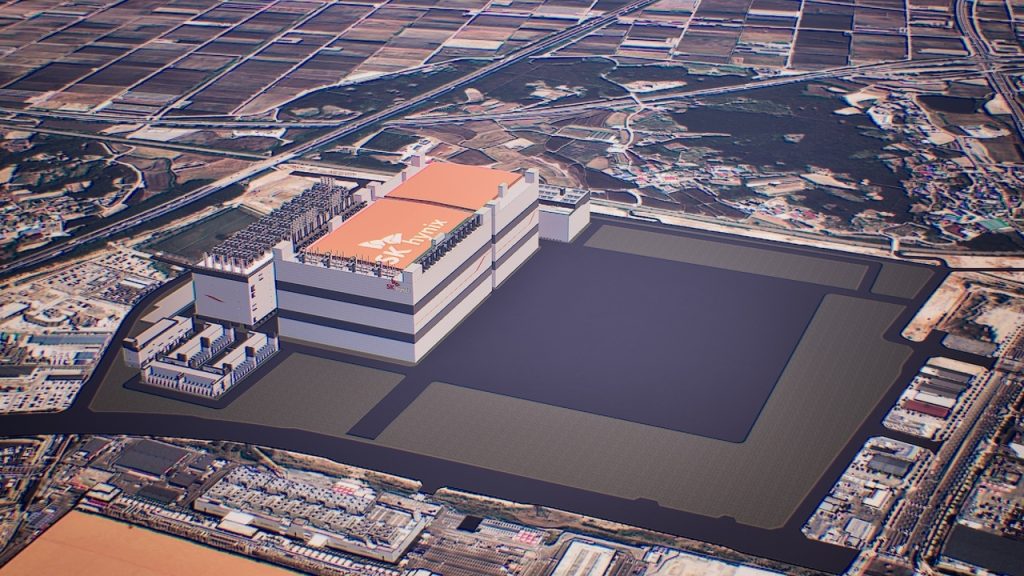
The critical factor is HBM’s advanced packaging, which ideally functions in close proximity to the fabrication plant (fab). This was a key point for SK hynix when announcing its Cheongju plant expansion earlier this year, highlighting the strategic value of co-location with existing chip production facilities.
Employee perspectives offer an even blunter assessment than executive statements. On the anonymous forum Blind, an SK hynix worker estimated that merely transporting components to the southwest could “take a full day.” A Samsung engineer raised doubts about workforce relocation, questioning, “You have to ask first whether staffing will even work.”
Lawmaker Suggests AI Memory Investment “Decided” Amidst Company Denials
Despite the logistical hurdles, the commercial rationale for HBM packaging in the region remains robust. An industry official told The Korea Herald that because this involves advanced HBM packaging for AI, rather than older commodity types, “the value-add will be much greater.”
However, packaging facilities alone do not stimulate local economies as extensively as larger, supplier-dense fabrication plants. “Just moving a plant,” the official cautioned, “doesn’t build an ecosystem.”
Consequently, the future moves of SK hynix hold particular significance. Samsung’s potential Gwangju site appears more definitively reported, at least locally, and is anticipated to be a packaging plant. SK hynix, conversely, seems to have more strategic flexibility: Gwangju or Muan, domestic or international, focusing solely on packaging or pursuing more ambitious integration later.
“As I understand it, the investment itself is decided,” Jung Jin-wook, a lawmaker on the National Assembly’s industry committee, stated to KBS on Monday. SK hynix, however, reiterates that “nothing has been decided.” According to Jung, the remaining uncertainty is “whether it comes as a manufacturing fab, or back-end work.”
A clearer resolution is anticipated on June 29, when President Lee is scheduled to meet with the heads of Korea’s largest conglomerates.
“Pushing this purely for show, or for political ends, can create significant cost and inefficiency,” warned Kwon Seok-jun, a chemical engineering professor at Sungkyunkwan University specializing in semiconductor materials and processes. “It cannot be forced on companies. They have to be offered real benefits.”
mjh