South Korea’s Trade Ministry announced Tuesday that the nation is committed to deploying all necessary measures to safeguard the interests of its domestic steel companies. This comes in anticipation of a new European Union steel policy designed to tackle global overcapacity, which is set to significantly impact the **South Korean steel industry**.
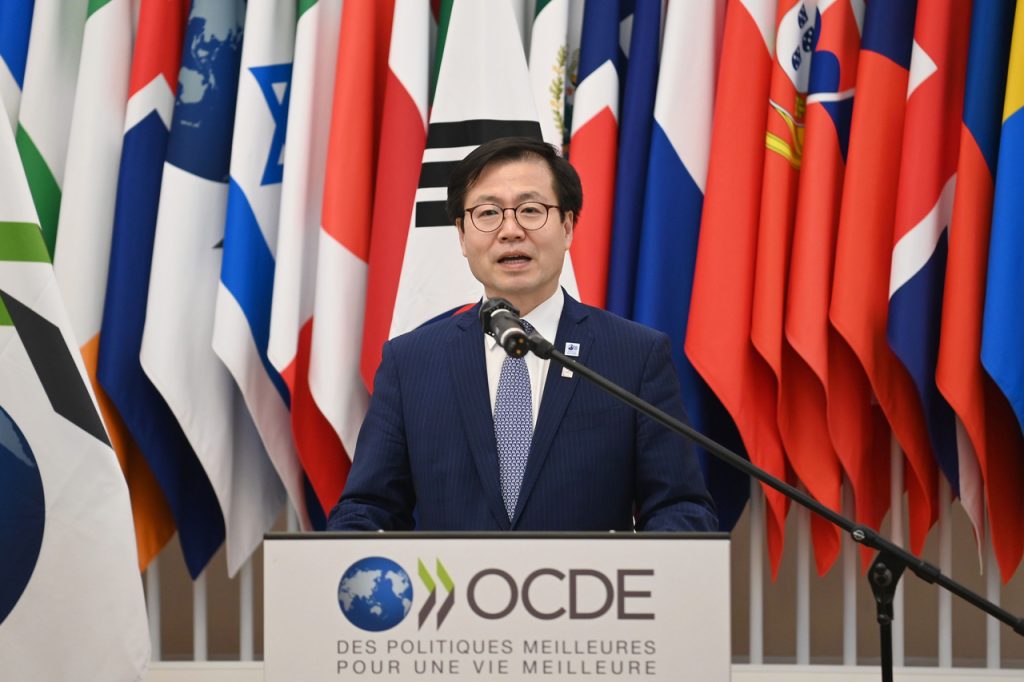
During a pivotal meeting with leading **South Korean steel industry** representatives, Trade Minister Yeo Han-koo underscored the gravity of the situation. “The impending **EU steel policy** represents a critical concern that could profoundly affect the steel sector’s exports, investment, and employment landscape,” Minister Yeo stated, highlighting the potential widespread ramifications.
These statements emerge as the **European Union** prepares to implement significant changes, effective July 1. The new regulations will drastically reduce **tariff-free quotas** across 30 distinct steel products and impose a steep 50 percent tariff rate on all imports surpassing these revised quotas. This strategic move by the EU is explicitly aimed at mitigating “global overcapacity” within the steel market.
The implications of this revised system are expected to be particularly adverse for **South Korean steel manufacturers**. The **EU’s tariff-free steel import quota** is slated to be nearly halved, dropping from the current 33.8 million tons to a mere 18.3 million tons, directly affecting the competitiveness and export volumes of Korean firms.
Bilateral negotiations between **South Korea** and the **European Union** regarding the specifics of these steel import quotas have been actively ongoing since April, indicating the urgency of the matter.
Emphasizing the government’s steadfast commitment, Minister Yeo further assured, “As these crucial negotiations enter their conclusive phase, the government will exert every effort required to safeguard the legitimate interests and ensure robust market access for **South Korean steel companies** within the European market.”
Beyond the EU policy, the Trade Minister also cautioned that **South Korean companies** might increasingly encounter various other protective trade measures globally. These could include escalating tariff hikes, safeguard duties, and anti-dumping duties, underscoring a complex international trade environment for the nation’s **steel exports**.