
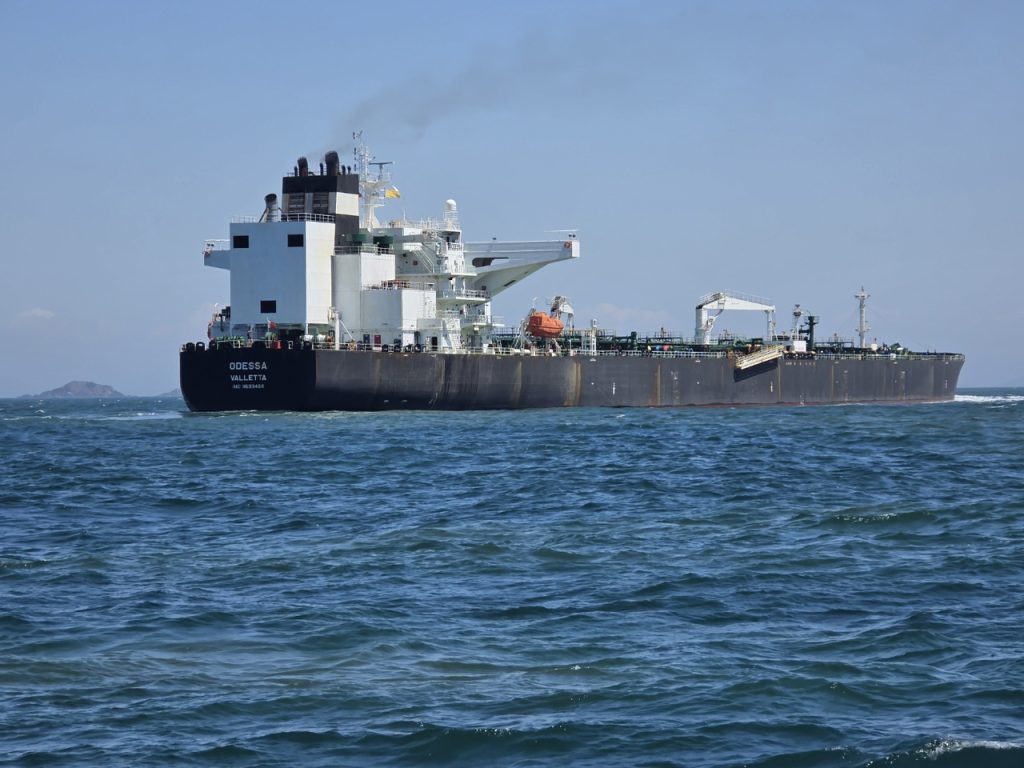
Much of profit surge reflects short-term inventory effects that could turn negative if oil prices fall
Soaring global oil prices, exacerbated by the prolonged Middle East conflict, have propelled a significant first-quarter earnings rebound across the global energy industry. This surge has benefited not only major oil-producing giants but also South Korean refiners, who import and process crude oil.
Despite this earnings boom, industry analysts caution that the robust profits reported by Korean refiners differ fundamentally from those of global oil companies. A substantial portion of these gains is attributed to short-term inventory accounting effects, which could rapidly reverse if crude oil prices decline later in the year.
Among leading Korean refiners, S-Oil on Monday reported an operating profit of 1.23 trillion won ($824.9 million) for the January-March period, marking a significant turnaround from a loss of 21.5 billion won a year prior. This figure represents the company’s strongest quarterly performance since the second quarter of 2022, following Russia’s invasion of Ukraine.
S-Oil, a prominent refiner with Saudi Aramco as its parent company, confirmed that over half of its operating profit, specifically 643.4 billion won, originated from inventory-related gains. This occurred as crude oil procured at lower prices before the conflict significantly appreciated in value by the time the refined products were eventually sold.
Similarly, Korean refiner GS Caltex announced on Wednesday a remarkable 1,310 percent year-on-year surge in its first-quarter operating profit, reaching 1.64 trillion won, up from 116.1 billion won a year earlier. The company attributed this sharp rise primarily to temporary inventory gains generated by increasing oil prices, alongside improved refining margins due to tightening supply conditions for kerosene and diesel.
Other major players also reported strong figures: HD Hyundai Oilbank posted an operating profit of 933.5 billion won for the first quarter, and SK Innovation is anticipated to report approximately 2 trillion won in profit.
Despite these upbeat earnings, Korean refiners remain hesitant to fully celebrate. They emphasize that a significant portion of the earnings boost stems from a temporary accounting illusion, often referred to as the “lagging effect.” This effect describes the timing gap between when refiners acquire crude oil at lower historical costs and when they sell the resulting refined products at current, higher market prices.
Because crude oil procurement prices are typically tied to earlier market rates, while prices for refined products like gasoline, diesel, and jet fuel more quickly reflect current market conditions, refiners can temporarily achieve wider margins during periods of rapidly escalating oil prices.
For instance, the nation’s four major refiners acquired crude oil at approximately $60 to $70 per barrel in January and February, prior to the escalation of the US-Israeli conflict involving Iran. Since then, crude prices have surged to around $100 as the geopolitical tensions persisted. When crude prices increase, the value of both existing crude inventories and refined petroleum products rises, enabling refiners to record substantial inventory valuation gains.
However, these inventory gains could swiftly transform into significant losses if global oil prices decline. Refiners that procured crude at elevated prices today might later be forced to sell petroleum products at lower market rates, leading to considerable inventory valuation losses and severely squeezed profit margins.
“This phenomenon is merely a temporary accounting effect, not indicative of a structural improvement in profitability,” explained an industry official with knowledge of the situation. “Once the Middle East situation stabilizes and oil prices recede, these gains will inevitably transition into inventory-related losses.”
This current scenario eerily mirrors the events of 2020, when Korean refiners collectively reported losses totaling five trillion won after oil prices initially spiked and subsequently collapsed. This historical precedent has the entire industry bracing for a potentially difficult second half of the year.
“Potential crude oil supply disruptions, leading to a drop in utilization rates, could significantly impact second-half results,” the official further elaborated. “Furthermore, if persistently high oil prices continue to suppress fuel demand, refining margins could considerably narrow, dealing a severe blow to overall profitability in the latter half of the year.”
Adding to these concerns, additional pressure on refiners is also stemming from the South Korean government’s implementation of a price cap on petroleum products.
In March, the Ministry of Trade, Industry and Energy introduced fuel price ceilings, aiming to alleviate cost burdens for drivers and various industries grappling with fluctuating oil prices exacerbated by the Middle East crisis. Under this system, the government has established maximum selling prices for oil products that South Korean refiners supply to gas stations and distributors, aligning with global oil price fluctuations.
To support this essential program, the government has allocated 4.2 trillion won specifically to compensate refiners for potential losses incurred due to the fuel price cap. However, growing concerns suggest that these compensation costs may soon exceed the allocated budget, especially if the geopolitical conflict continues indefinitely.
“The government could face significant public pressure to reduce financial support to refiners, particularly after they have reported such robust profits,” noted another industry official. “This situation is likely to further complicate already challenging discussions regarding compensation measures linked to these price controls.”
sahn


