The **South Korean won** experienced a significant depreciation against the **US dollar** on Wednesday, driven by persistent geopolitical tensions in the **Middle East** and higher-than-anticipated **US inflation** figures. This volatility has financial markets in **Seoul** on edge.
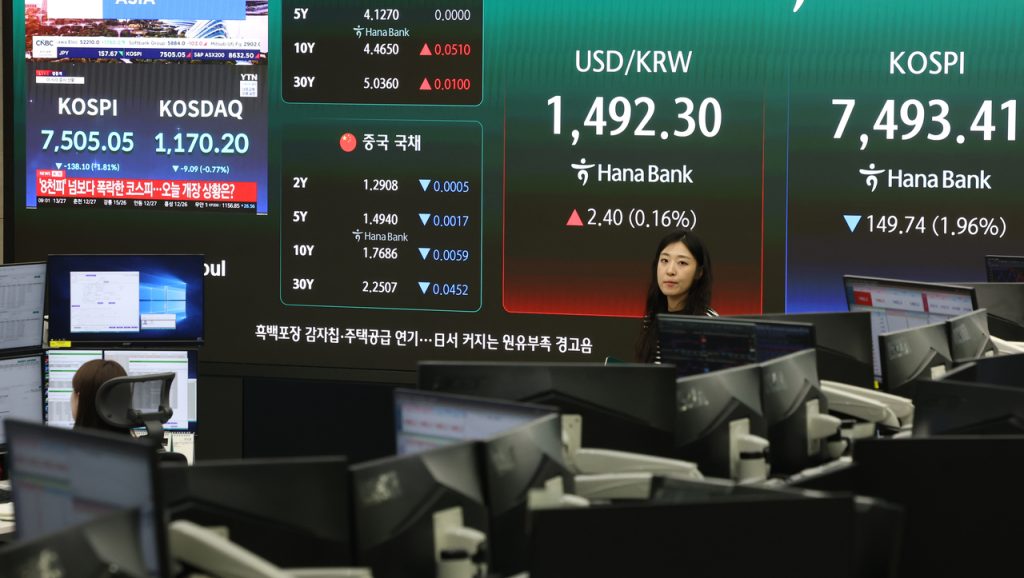
The **won-dollar exchange rate** opened at 1,493.8 won per **USD**, marking a 3.9 won decline from the close of the prior trading session.
In recent trading sessions, the **Korean currency** has exhibited heightened **exchange rate volatility**, largely attributable to the stalled diplomatic progress in **Washington-Tehran talks** aimed at de-escalating regional conflicts.
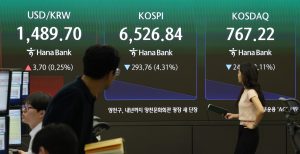
This downward trend saw the **South Korean won** plunge by 17.5 won to 1,489.9 won on Tuesday, registering its lowest valuation since April 4th, when the **won-dollar rate** reached 1,504.2 won.
Compounding these pressures, overnight **US economic data** revealed that **consumer prices** experienced a sharp rise for the second consecutive month in April. This surge represented the most significant annual increase in **inflation** in almost three years, bolstering market expectations that the **Federal Reserve** will maintain current **interest rates** for the foreseeable future.
Furthermore, ongoing fears regarding the potential escalation of the **US-Iran conflict** have driven **crude oil prices** higher, pushing West Texas Intermediate (WTI) above $102 per barrel.
Elevated **global oil prices** exert direct pressure on the **won**, as **South Korea**, heavily dependent on **energy imports**, faces increased demand for **dollars** to finance its substantial crude purchases. This fundamental reliance amplifies the **currency’s vulnerability**.