Wastewater recycling momentum to drive overseas expansion from 2027

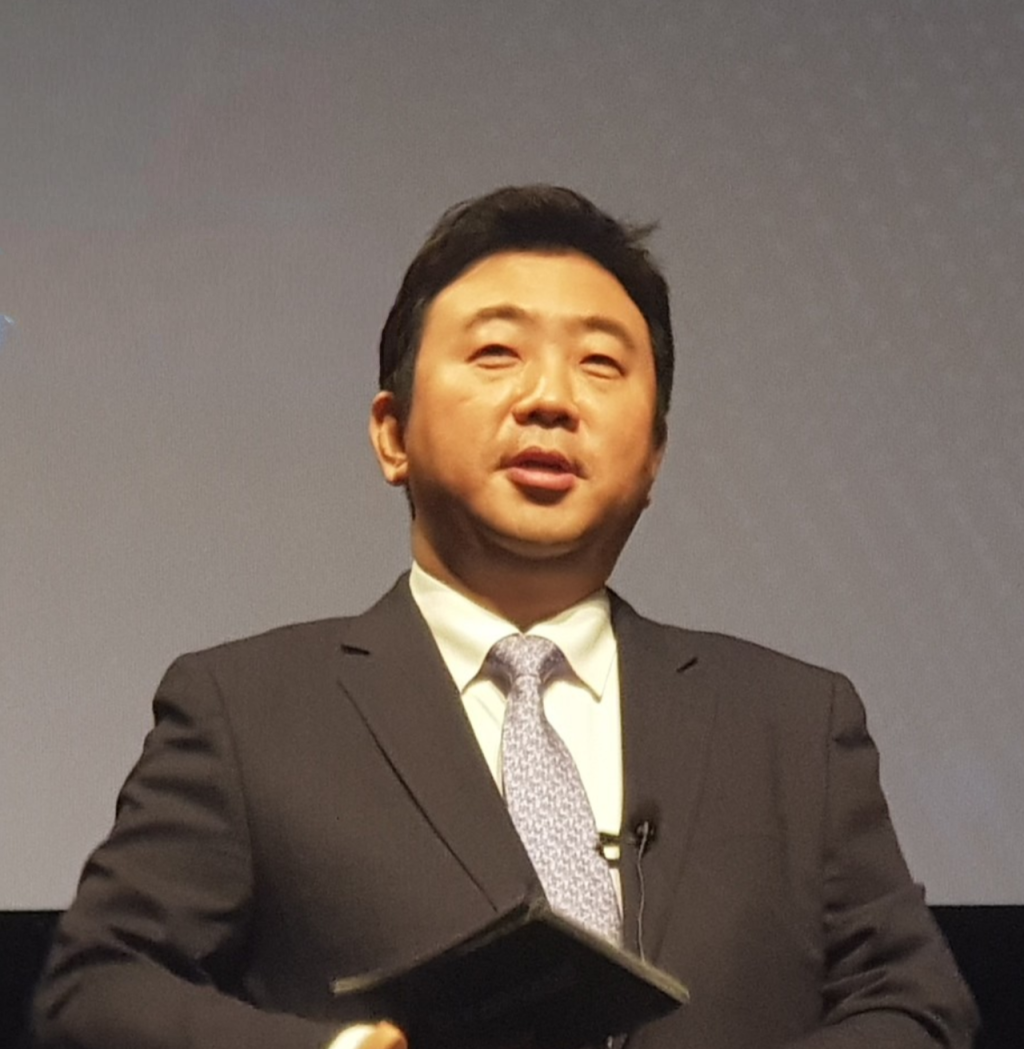
In an era where many global industries still view environmental compliance as a mere cost, Yang Hee-gyoung, CEO of KARI Corp., is pioneering a more economically sound approach. As a specialist in valuable resource recovery from high-salinity industrial wastewater, KARI Corp. demonstrates that addressing pollution can, in fact, generate significant profits.
Ahead of H.EcoTech Festa 2026, a pivotal forum exploring climate solutions and emerging economic opportunities, Yang highlighted that transforming environmental value into tangible economic gain is now “a very realistic conversation.” This paradigm shift is most evident in the realm of industrial wastewater, traditionally considered an unavoidable waste product.
“KARI Corp. effectively recovers valuable materials such as lithium and nickel from high-salinity wastewater streams,” Yang explained in an interview with The Korea Herald. “Beyond metal recovery, we also refine byproducts like sodium sulfate into high-purity inputs for various industrial sectors.” Additional applications of their innovative technology include advanced salt recycling and the efficient reuse of industrial water resources.
“Our core concept originated from a simple yet profound question: why are so many valuable resources still discarded in what we consider waste?” Yang noted, emphasizing KARI’s commitment to sustainable resource management.
This trend towards resource recovery is particularly critical within battery manufacturing, where the production of precursor materials for cathodes demands substantial amounts of water and chemicals, leading to the generation of considerable volumes of high-salinity wastewater.
While only a fraction of waste streams currently undergoes recycling into usable resources, battery manufacturers are actively re-evaluating their strategies, increasingly seeking expertise from specialized external firms like KARI Corp. for advanced wastewater treatment and resource recovery.
“The proportion of outsourcing for these processes is growing significantly,” Yang stated, citing the substantial technical barriers and high operational costs involved. “More companies are recognizing the economic advantages of collaborating with specialized firms that possess proven technologies for industrial wastewater treatment and valuable material extraction.”
This is precisely where KARI’s patented technology excels, utilizing advanced crystallization-based processes to efficiently recover valuable metals and other resources from complex industrial effluent streams.
The outcome, which Yang aptly describes as a “cross-industry value chain,” provides essential materials such as high-purity sodium sulfate to manufacturers in the pharmaceutical and cosmetic industries. KARI’s innovative process operates at less than half the cost of conventional recovery methods, offering notable advantages in terms of operational stability and scalable deployment, Yang added.
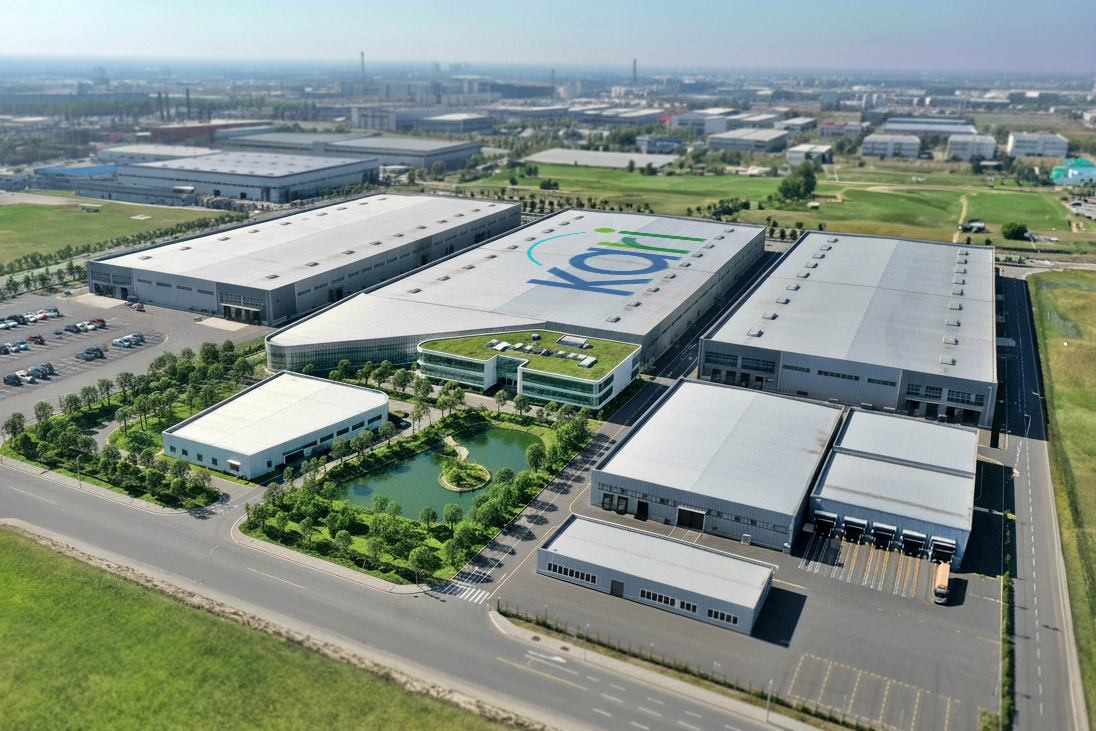
As KARI Corp. continues its expansion, the company is set to complete a state-of-the-art facility in the Saemangeum Industrial Complex during the first half of 2027. This facility will specialize in processing battery manufacturing wastewater and recycling the recovered high-value materials.
Furthermore, KARI Corp. is preparing for strategic overseas expansion into key markets like the US and Europe, targeting market entry from 2027. “The US and European regions increasingly perceive environmental stewardship as a driver of industrial competitiveness, rather than merely a regulatory burden,” Yang observed. “They evaluate projects based on both economic feasibility and their environmental, social, and governance (ESG) value, whereas Korea still largely approaches environmental issues from a regulatory compliance perspective.”
This forward-thinking perspective also shapes Yang’s guidance for aspiring professionals entering the environmental technology sector. “It is crucial to deeply understand the intricate structures of various industries and to effectively connect technological innovations with economic realities,” he advised. The global climate challenge is no longer an issue that can be postponed. “I am hopeful that we can collectively address these challenges with a profound sense of responsibility and shared mission.”
Yang Hee-gyoung will share further insights at H.EcoTech Festa 2026 on May 7 at Yonsei University, where his presentation will focus on transforming sustainable ideas into impactful global opportunities.