Girl groups are going electronic — and the charts are proving them right
Electronic dance music (EDM) has long been a foundational genre in K-pop, serving as a go-to sound for over a decade. Iconic examples include Psy’s global phenomenon “Gangnam Style,” f(x)’s critically acclaimed “4 Walls,” and SHINee’s genre-defining track “View.”
This pervasive **K-pop EDM trend** experienced a significant resurgence last year and shows no signs of decelerating as it continues into **2026**, particularly dominating the soundscape for **K-pop girl groups**.
Within the broader EDM landscape, **house music** has emerged as the most prominent subgenre. Recent chart-toppers like Aespa’s “Supernova” and “Whiplash,” Le Sserafim’s “Crazy,” and Hearts2Hearts’ “Focus” have all prominently featured **house influences**. This growing wave of **house-infused K-pop** continued robustly into the current year. Starship Entertainment’s rising **girl group KiiiKiii** saw their January release, “404 (New Era),” soar to the top of Melon’s Top 100 chart and secure multiple music broadcast awards. Fellow Starship Entertainment artists, **Ive**, further solidified the trend in February with their **UK hard house** track “Bang Bang,” which impressively held the No. 1 spot on the Melon chart for five consecutive weeks in March.
**SM Entertainment’s rookie girl group Hearts2Hearts** stands out for perhaps embracing the **house music** sound most extensively. Since their debut in February last year, the group has strategically built a significant part of their artistic identity around **house**. This includes their digital single “Style” (June 2025), the title track “Focus” from their first EP (October 2025), and their February 2026 digital single “Rude!,” all showcasing a distinctive **house music** style.

Renowned **music critic Lim Hee-yun** characterizes this surge in **EDM and house music among K-pop girl groups** as a natural and logical evolution between two historically compatible genres.
Lim explains, “**Electronic music** is far from a novel concept within **Korean pop history**. Pioneers such as **Noise and Clon** successfully integrated **house music** into their sound during the 1990s, achieving widespread popularity.”
He further elaborates, “The frequent adoption of **house and EDM** in **K-pop** stems from **house music’s** reliance on a consistent **four-on-the-floor beat**, a foundational element for **dance music**. Given that **K-pop** inherently functions as **electronic dance music**, this fusion is entirely organic and seamless.”
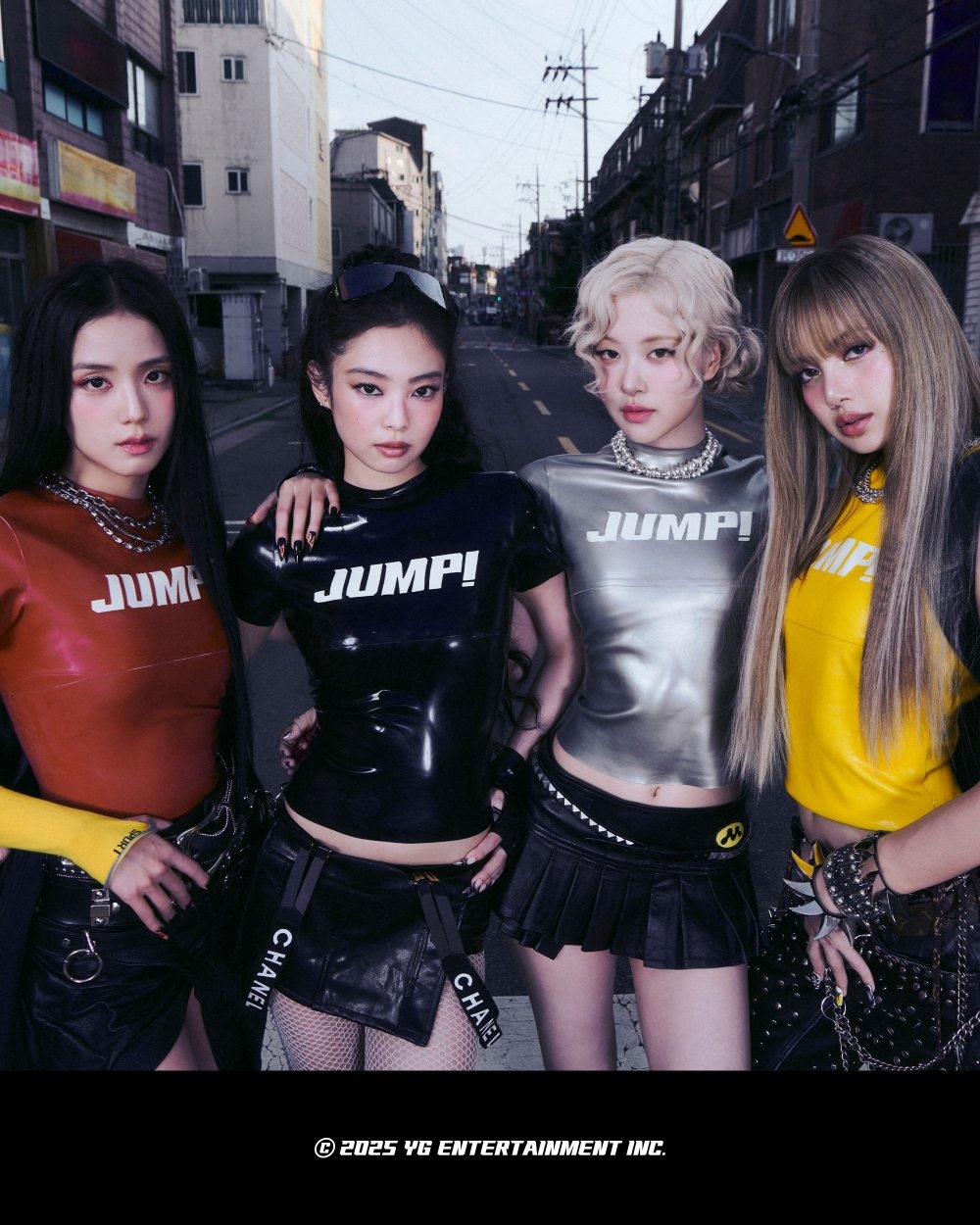
While **house music** dominates, other **electronic subgenres** are also gaining traction. **Blackpink’s** July release, “Jump,” a **techno-leaning lead single** from their third EP “Deadline,” showcases this broader exploration. Following suit, **Le Sserafim** is poised to release “Celebration,” described by the group as **hyper techno**. Additionally, **Belift Lab’s rookie sensation Illit** is making a comeback this month with the **techno-house track** “It’s Me.”
**Lim Hee-yun** also notes that evolving patterns in music consumption have significantly amplified the appeal of **EDM**.
He elaborates, “The inherent simplicity of the **house beat**, relative to other genres, makes it incredibly accessible and easily embraced by the general public. Furthermore, its rhythmic structure perfectly lends itself to **short-form content challenges**, where a song’s impact must be conveyed within mere seconds.”
“**K-pop songs** are increasingly transcending their traditional boundaries, finding airplay not only within the dedicated **K-pop scene** but also in **American TV dramas** and **international clubs**. By incorporating **house music**, a track becomes considerably more versatile and effective for a **club setting**.”
**Music critic Lim Hee-yun** further provides insights into why the **house music trend** has become significantly more prevalent among **K-pop girl groups** compared to **boy groups**, attributing this to fundamental divergences in fan consumption patterns.
According to Lim, **boy group music** often prioritizes precise, synchronized choreography and distinct individual member differentiation. These crucial elements are not easily highlighted by the relatively straightforward rhythmic structure of **house music**. While **K-pop** is fundamentally performance-driven music designed for visual consumption, **house music** is rooted in a repetitive beat primarily intended for dancing in club environments.
He concludes, “For **girl groups**, although individual fandoms and unique personas hold importance, their music and stage performances are consumed through a somewhat different lens. **Boy group songs** typically see greater consumption within dedicated fandom circles, whereas **girl group songs** more often ascend to the apex of mainstream charts. Consequently, **girl groups** face less pressure to overtly emphasize individual members or performances solely to bolster fan engagement, unlike their boy group counterparts.”
jaaykim