

Ikea Korea’s Omnichannel Strategy: Integrating Styling, E-commerce, and Urban Stores to Boost Home Furnishing Access
While South Koreans increasingly view their home as a crucial sanctuary for unwinding, internal research by Ikea Korea reveals a paradox: a significant portion remains unsatisfied with their current living spaces. This gap in home satisfaction is precisely what Ikea Korea aims to address and fill, according to Folkert van Keulen, the country commercial manager.
“People aspire to improve their homes, but they are not always sure how to initiate that change,” van Keulen explained during an interview with The Korea Herald on Wednesday. “For us at Ikea Korea, it’s about making essential home improvement knowledge accessible and empowering individuals to take that crucial first step towards creating their ideal living environment.”
These profound consumer insights were derived not from surveys alone. Van Keulen highlighted that the company actively conducted home visits across Korea to gain a firsthand understanding of how people live and the specific challenges they encounter daily. This invaluable, hard-earned knowledge now informs every aspect of Ikea’s operations, from innovative product development to thoughtful store design in Korea.
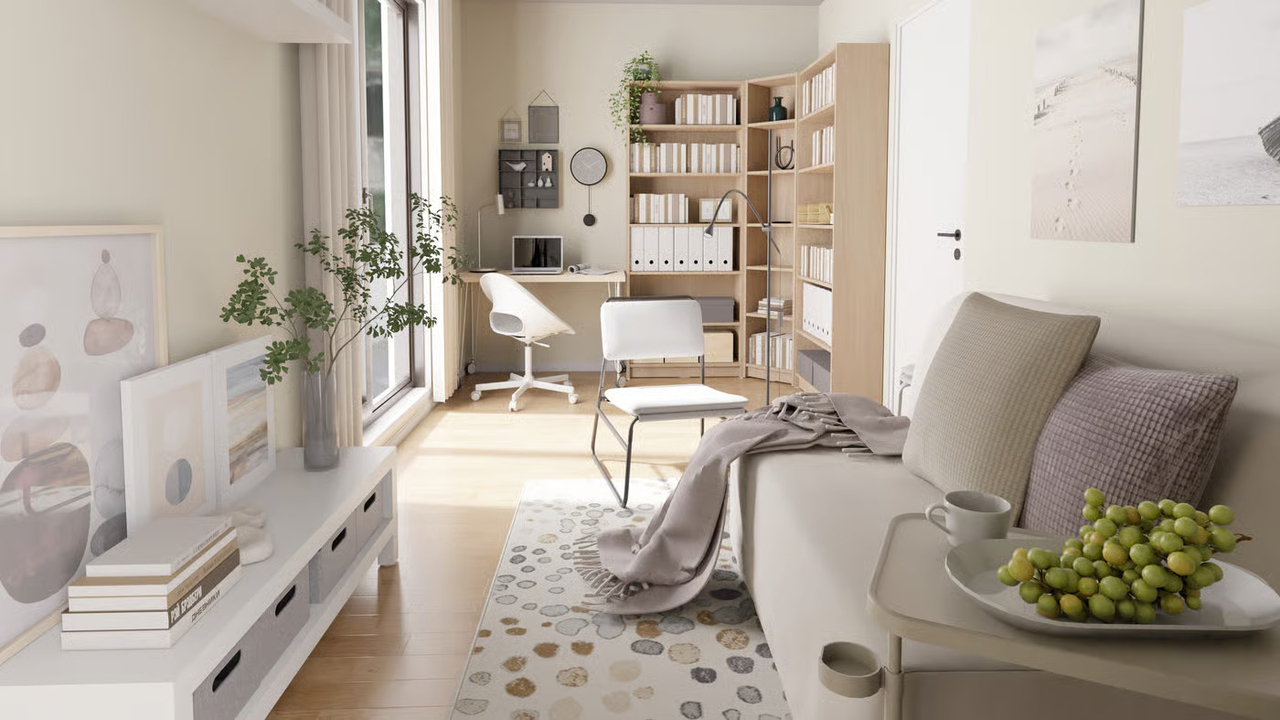
One direct response to these insights has been the introduction of tailored home styling services. Ikea Korea now actively assists customers in rethinking their interior layouts and implementing small, yet impactful, practical changes that significantly enhance their living spaces and overall home functionality.
“It doesn’t always necessitate a full home remodeling project,” van Keulen affirmed. “In many instances, the solution lies in subtle, strategic adjustments. This could involve incorporating one or two new pieces of furniture, re-organizing a space more effectively, or simply adding textiles that dramatically alter the room’s atmosphere and comfort.”
Priced competitively starting at approximately 80,000 won ($54), Ikea Korea’s styling service stands out by being significantly more affordable than competitors, who often charge “hundreds of thousands,” according to van Keulen. This strategic pricing makes professional home design and consultation accessible to a broader range of Korean households.
Complementing this, Ikea also offers a more comprehensive kitchen planning and remodeling service, covering everything from initial design consultation to efficient delivery and expert installation through trusted local partners. The company indicates that similar extended services, potentially for dressing rooms, could soon be introduced to further meet the diverse interior design needs of Korean consumers.
This deep understanding of local preferences also drives Ikea Korea’s product range localization. For instance, Ikea introduced firmer mattresses after discovering existing softer options were not preferred by Korean customers. Furthermore, showroom layouts are now meticulously designed to reflect the spatial constraints and typical configurations of local apartments, offering practical and inspiring solutions for compact living.
Reaching closer to Korean consumers also means strategically engaging with the robust online market, where over half of all home furnishing purchases in Korea currently occur. Ikea Korea’s own digital sales currently represent 26 percent of its total revenue, highlighting significant growth potential and a clear focus on expanding its online presence.
The nation’s dynamic retail landscape has proven to be as educational as it is fiercely competitive. “Instead of viewing this purely as competition, we perceive it as an invaluable opportunity to learn and actively participate in the evolving market,” van Keulen stated, emphasizing a collaborative and adaptive approach to retail evolution in Korea.
Even as the market shifts increasingly online, Ikea is not confining itself to a single channel. Instead, it maintains a robust omnichannel approach encompassing dedicated apps, remote sales services, and crucial platform integrations. To further deepen its localization efforts, Ikea Korea has seamlessly adopted popular local payment methods like Naver Pay and Kakao Pay and has partnered with Hyundai Glovis to significantly enhance its delivery services, with more strategic collaborations actively being explored to improve the customer journey.
Only after these foundational strategic elements are firmly in place does the physical aspect of store space become a consideration for Ikea Korea’s expansion strategy.
The iconic large-format “blue box” warehouse stores – traditionally situated on the outskirts of cities – continue to play a vital role. However, Ikea has also been innovatively testing closer urban store formats, with a successful location already integrated into a mixed-use development in Gwangju, offering enhanced accessibility for city dwellers and a more convenient shopping experience for specific needs.
“If you’re planning a complex kitchen renovation, the large store provides a comprehensive and even enjoyable experience,” van Keulen acknowledged. “But for customers simply needing a few everyday items, we recognize that convenience is paramount. They expect us to be closer, more accessible, and easier to reach within their urban environment for quick purchases.”
Despite all these localized adjustments and strategic expansions, Ikea adheres steadfastly to one core principle: affordability. Its highly efficient supply chain is meticulously engineered to identify cost savings in the minutest details, from minor design tweaks to optimized packaging, ensuring these efficiencies are directly passed on to consumers through consistently lower shelf prices.
As part of its commitment to value, Ikea Korea has launched a new lower price initiative, strategically cutting base prices through operational efficiencies. The company projects that more than 1,500 items will see price reductions of approximately 15 percent between 2024 and 2025, further solidifying its position as an accessible and affordable home furnishing provider in Korea.
“The starting point for us is consistently the price,” van Keulen concluded. “From that fundamental principle, we meticulously design products to meet stringent standards of function, quality, sustainability, and form, ensuring that exceptional home solutions are affordable and accessible to as many people as possible across Korea.”


