Korea Exchange CEO Jeong Eun-bo: Reforms and Stronger Fundamentals Propel Kospi Above 6,000, Diminishing ‘Korea Discount’
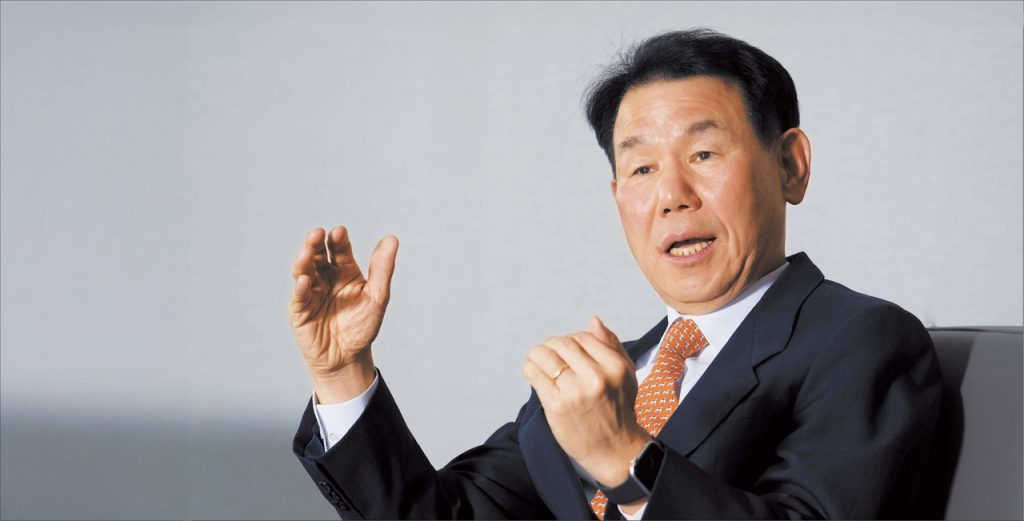
Korea Exchange CEO Jeong Eun-bo asserts that South Korea’s robust stock market rally signifies a profound structural shift, not merely a transient liquidity surge. He highlights improved corporate fundamentals and impactful policy reforms as key drivers.
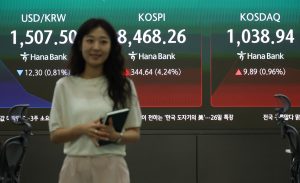
During a recent interview with Herald Business, Jeong Eun-bo elaborated on how the Kospi’s significant ascent from approximately 2,500 in mid-2025 to surpassing 6,000 points indicates substantial changes in market dynamics.
Jeong emphasized, “This market rally is not solely fueled by liquidity. It is a direct outcome of concerted efforts to enhance corporate value and fortify industrial competitiveness across South Korea.”
He further pointed out that crucial valuation metrics now position South Korea’s market closer to leading global counterparts. The Kospi’s price-to-book ratio has reached approximately 2 times, aligning with MSCI standards and nearing levels observed in Japan and the UK. Additionally, the market capitalization-to-GDP ratio has soared to about 200 percent, comparable to financial hubs like Japan and Taiwan.
“This trajectory indicates Korea is entering the nascent stages of becoming an advanced capital market,” Jeong stated, underscoring that the persistent ‘Korea discount’ – the perception of the market being structurally undervalued – is finally starting to recede.
Jeong largely attributes this transformative shift to the government’s proactive ‘value-up’ initiatives. These include significant corporate governance reforms, the implementation of shareholder-friendly policies, and strategic tax measures specifically designed to bolster investor confidence.
“While the market was once heavily influenced by controlling shareholders, it is now evolving towards a structure that proportionately safeguards all investors, including minority shareholders,” he explained. “This crucial shift is being met with significant positive reception from global investors.”
Despite the promising rally, Jeong Eun-bo cautioned that underlying structural challenges persist. He underscored the imperative for further regulatory reforms, such as introducing 24-hour trading and shorter settlement cycles, which are essential to align South Korea with prevailing global market standards and to ensure sustained international investor inflows.
“The global financial market is unequivocally moving in this direction,” he stated firmly. “Failure to adapt proactively risks South Korea losing its competitive edge in the ongoing global race for capital market liquidity.”
Jeong further alerted that the market is navigating a more expansive structural transition. This is driven by increasingly globalized capital flows and the emergence of innovative financial technologies, including decentralized finance (DeFi) and tokenized assets, which are fundamentally reshaping the competitive landscape of capital markets.
“These ongoing changes are far from merely cyclical,” Jeong concluded. “They are integral components of a fundamental structural transformation that will ultimately dictate the long-term competitiveness and future trajectory of Korea’s capital market.”
jylee